English
 Español
 中文简体
中文简体The SY-BS8T/15/KE water rescue throw bag is designed for water emergencies. It features a high-strength polypropylene floating rope and a durable nylon shell. The rope unfolds quickly, and built-in bu...
See Details
2026-10-16
Content
A worker at the bottom of a manhole collapses. The entry team has a tripod, a winch, and a full-body harness. But if that harness has only a back D-ring, the retrieval line can lift the worker at an awkward angle against the opening edge. The result can be shoulder injury, harness damage, or a failed rescue. A confined space harness solves this specific problem by adding attachment points that keep the worker upright during vertical retrieval.
For permit-required confined spaces, the harness is not just fall protection. It is part of the entry, retrieval, and rescue system. OSHA 1910.146 requires a rescue plan and, where possible, non-entry retrieval. The right harness helps make that plan practical.
Conclusion first: choose a full-body harness with shoulder D-rings or a dedicated rescue attachment for confined space work. A standard fall arrest harness with only a dorsal back D-ring is usually not enough for vertical retrieval through a small opening.
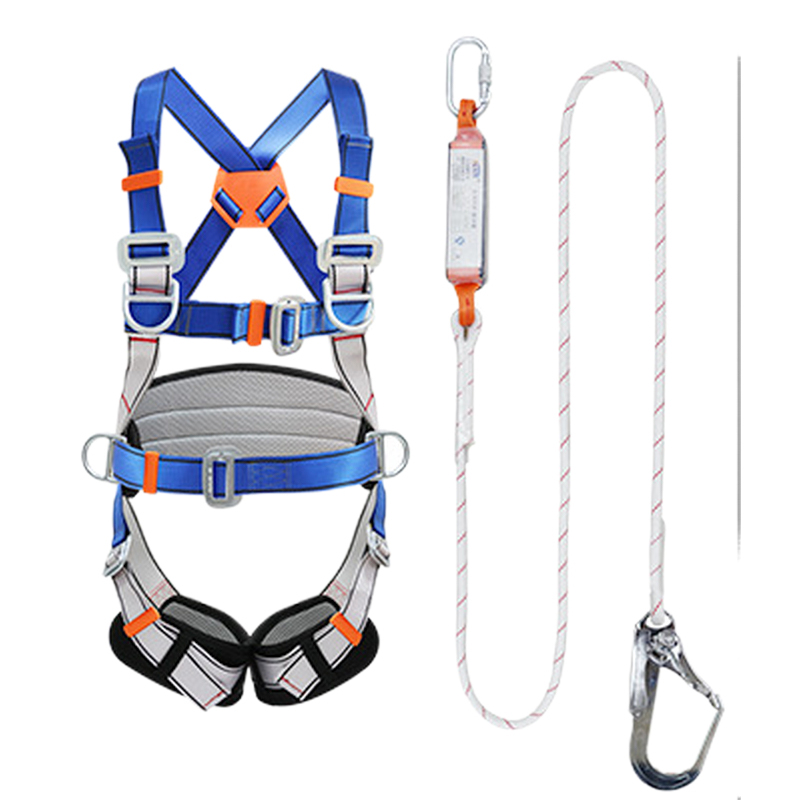
A full-body harness spreads fall forces across the shoulders, chest, and legs. A confined space harness adds one critical feature: D-rings on top of both shoulder straps. These D-rings let a retrieval line or spreader bar lift the worker in a more vertical position. The back D-ring remains the primary fall arrest attachment. Some models also include front and side D-rings for ladder climbing, positioning, or controlled descent.
Standards matter. Look for harnesses that meet ANSI Z359.11, EN 361, or EN 1497, depending on your market and application. Check that the shoulder D-rings are rated for rescue and retrieval, not just for positioning. The label and instructions should state the allowed load direction for every attachment point.
| D-ring Location | Primary Function | Confined Space Role |
|---|---|---|
| Back dorsal D-ring | Fall arrest | Connects to a shock-absorbing lanyard or self-retracting lifeline. It is not the best choice as the only attachment for vertical retrieval. |
| Shoulder D-rings | Rescue and retrieval | Allows a spreader bar or retrieval line to lift the worker upright. This is the main attachment for non-entry rescue from a tripod or davit. |
| Front chest D-ring | Ladder climbing and fall arrest | Helps control body position during entry and exit. It is not a replacement for shoulder D-rings in retrieval. |
| Side positioning D-rings | Work positioning | Useful for tasks at the opening or at height. It is not intended for main rescue retrieval. |
Use the following checklist before you buy. It helps prevent a harness that fits the catalog but fails the rescue plan.
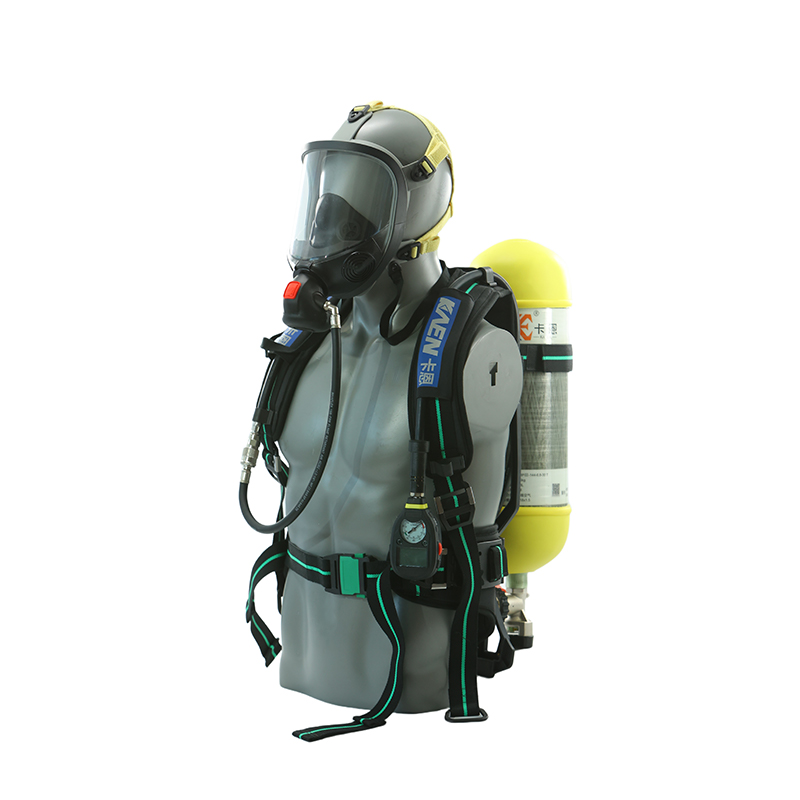 Industrial Safety Equipment: Breathing Apparatus and Fall ProtectionThis catalog offers breathing apparatus, fall protection, and rescue PPE for industrial and emergency teams, making it a relevant resource for confined space programs.View Product →
Our product range includes fall protection equipment, breathing apparatus, and rescue PPE for industrial and emergency teams. Review the product card above to see relevant options for your confined space program.
Even a certified harness can fail if it is worn incorrectly. The chest strap should sit at mid-chest, the shoulder straps should rest without twisting, and the leg straps should be snug but allow normal movement. The back D-ring should sit between the shoulder blades. Shoulder D-rings should sit on top of the shoulders, not under the arms or behind the neck.
Follow the manufacturer's instructions for every connection. In many confined space systems, the retrieval line connects to the shoulder D-rings through a spreader bar. The back D-ring is reserved for fall arrest. Do not clip the retrieval line to a side D-ring or front D-ring unless the manufacturer explicitly allows it for that load direction.
Check the anchor and equipment before entry. A tripod, davit, or winch must be rated for the load and positioned to keep the retrieval line as vertical as possible. Avoid sharp edges at the opening. Use edge protection when the line can rub against concrete or steel.
Inspect the harness before every use. Look for cuts, fraying, burns, discoloration, chemical damage, loose stitching, cracked hardware, corrosion, and deformed D-rings. Check that all labels are readable. If the impact indicator has deployed, remove the harness from service immediately.
Maintenance is part of the safety system. A harness that is stored wet or exposed to solvents can lose strength even when it looks clean.
Non-entry rescue is the preferred method for confined spaces. A retrieval line and mechanical advantage can lift an injured worker without sending another person into the space. This reduces exposure and speeds up removal. The harness must be compatible with the retrieval equipment, and the operator must be trained to use it under control.
Entry rescue is more complex. It requires trained rescuers, breathing apparatus, communication, and a standby team. OSHA 1910.146 requires employers to have a rescue plan before entry. Practice the plan in a representative space. Include suspension trauma response, radio communication, and handoff to medical care.
Look for a manufacturer that can provide traceable certifications and clear instructions. A quality system such as ISO 9001, plus product certifications such as CE or CCCF where applicable, helps show that the product has been tested and controlled. You can review our background and certifications on the about page.
Ask about technical support, spare parts, inspection guidance, and delivery. A harness is part of a system, so supplier support matters after the sale. If your team needs help matching a harness to a tripod, winch, or breathing apparatus, contact us with the space dimensions, task, and rescue method.
A confined space harness is a focused tool for a focused risk. The key features are shoulder D-rings for upright retrieval, a back D-ring for fall arrest, proper fit for each worker, and compatibility with the rescue system. Add inspection, training, and a practiced rescue plan, and the harness becomes part of a reliable entry program rather than a last-minute purchase.
Start with the space, the task, and the rescue method. Then select the harness and equipment that meet the standards and the real conditions of the job.
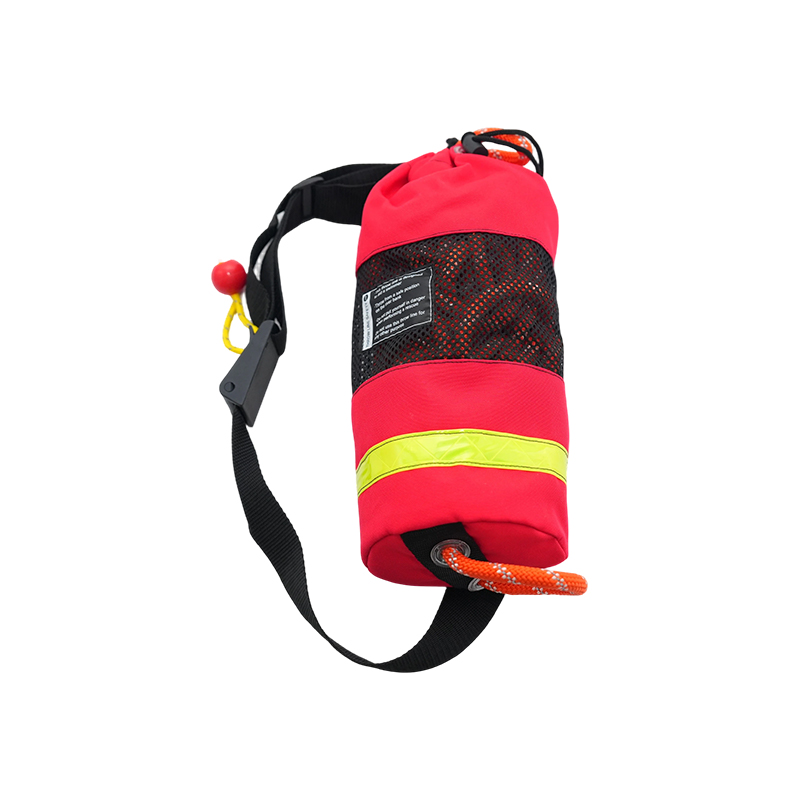
The SY-BS8T/15/KE water rescue throw bag is designed for water emergencies. It features a high-strength polypropylene floating rope and a durable nylon shell. The rope unfolds quickly, and built-in bu...
See Details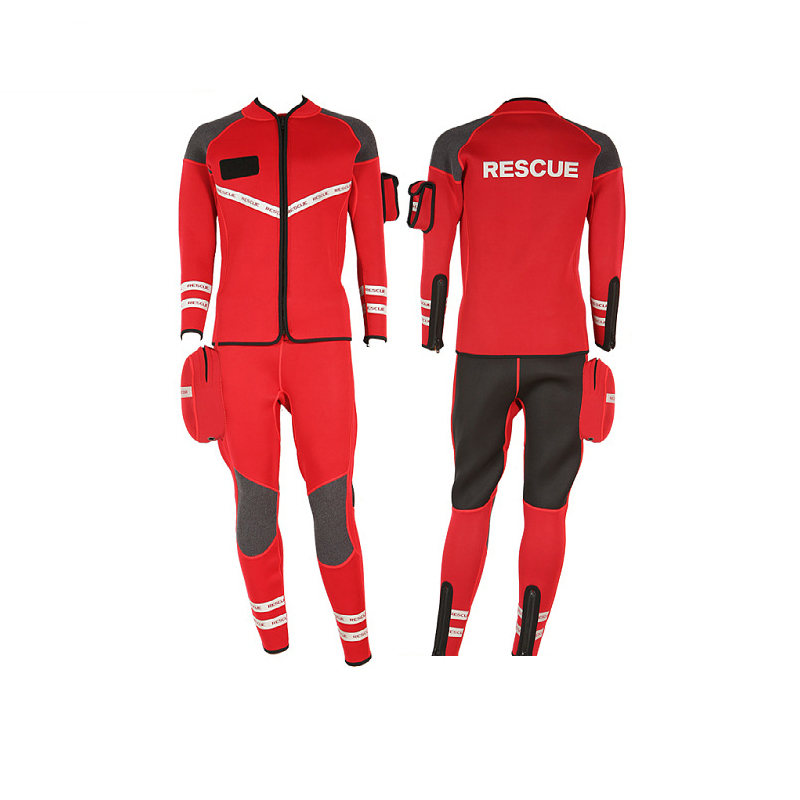
The SY-FG-KE Dry Type Firefighter Water Rescue Dry Suit features a one-piece, highly waterproof design, specifically developed for firefighting, water rescue, and extreme low-temperature, damp, and co...
See Details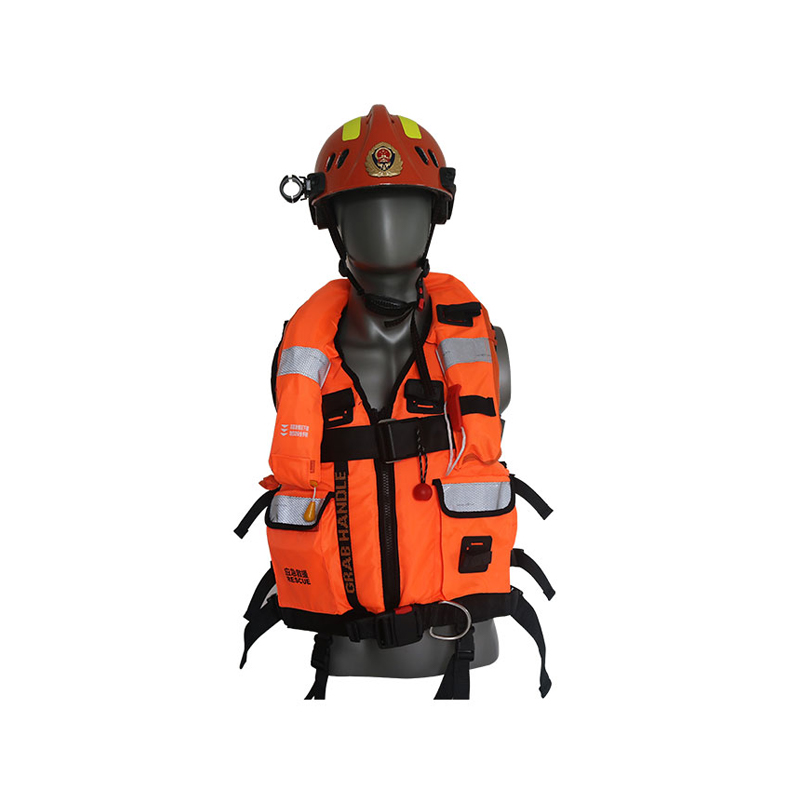
Usage: Designed for professional rescuers operating in flood or swift water environments.Key Features: Specifically engineered for rapid response, featuring dedicated "Grab Handles" for quick rescue o...
See Details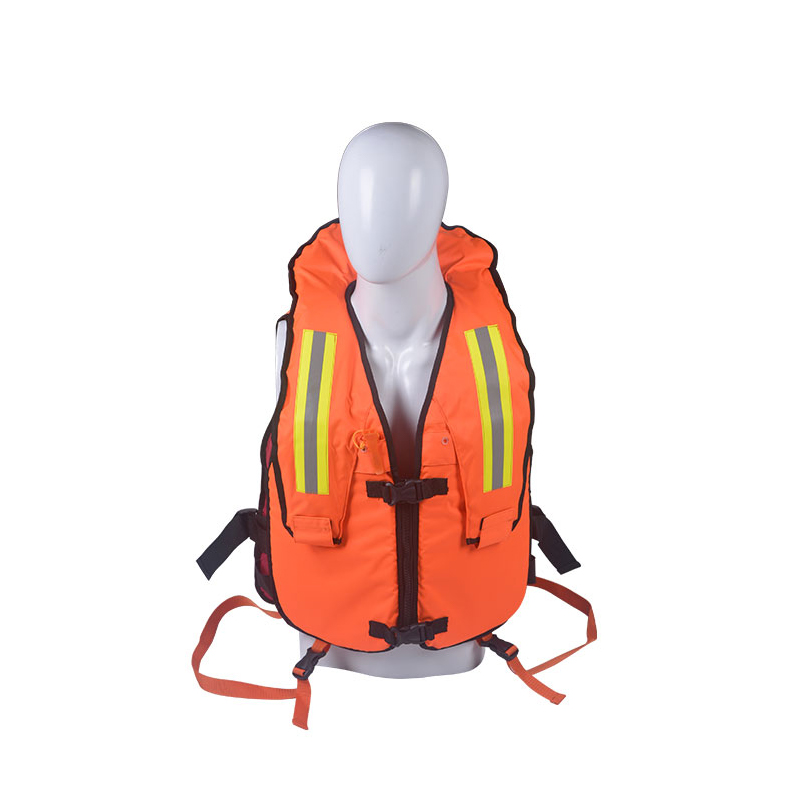
Designed for unexpected emergencies, this high-performance Auto-Inflatable Life Vest is your ultimate safety insurance. It stays ultra-portable and out of your way during normal tasks, but delivers in...
See Details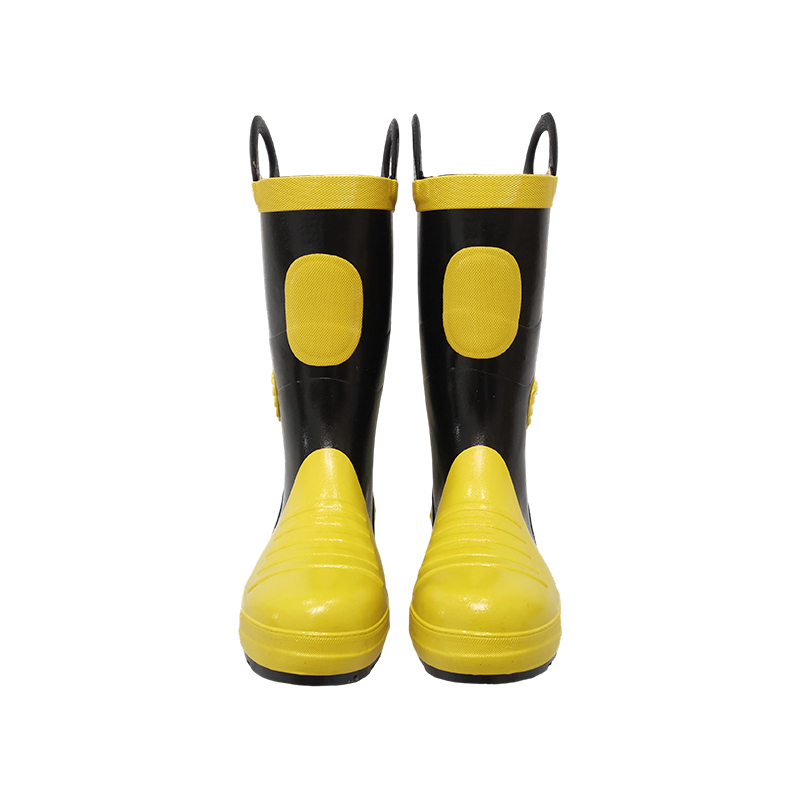
Description: The fire boots are made up of 2 parts, the shoe and the boot upper. Black colour with yellow lines. Multi-layers for the whole body. Smash-proof steel toes of the fire boots have inside &...
See Details
For any questions and feedback from customers, we will reply patiently and meticulously.


WhatsApp: 8618262215597
PHONE : +86-15370678666
EMAIL : zhouli@ntkaen.com
TEL: +86-513-88762099
Nantong Kaen Safety Equipment Co., Ltd. All Rights Reserved. ALL RESERVED. OEM Rescue Equipment Manufacturer Fire Protection Equipment Factory