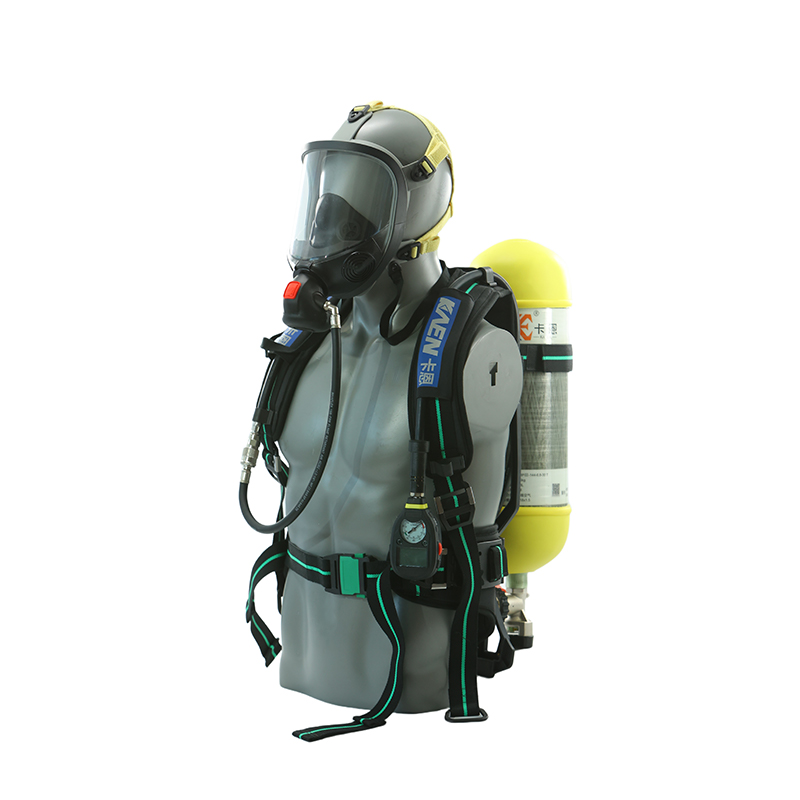
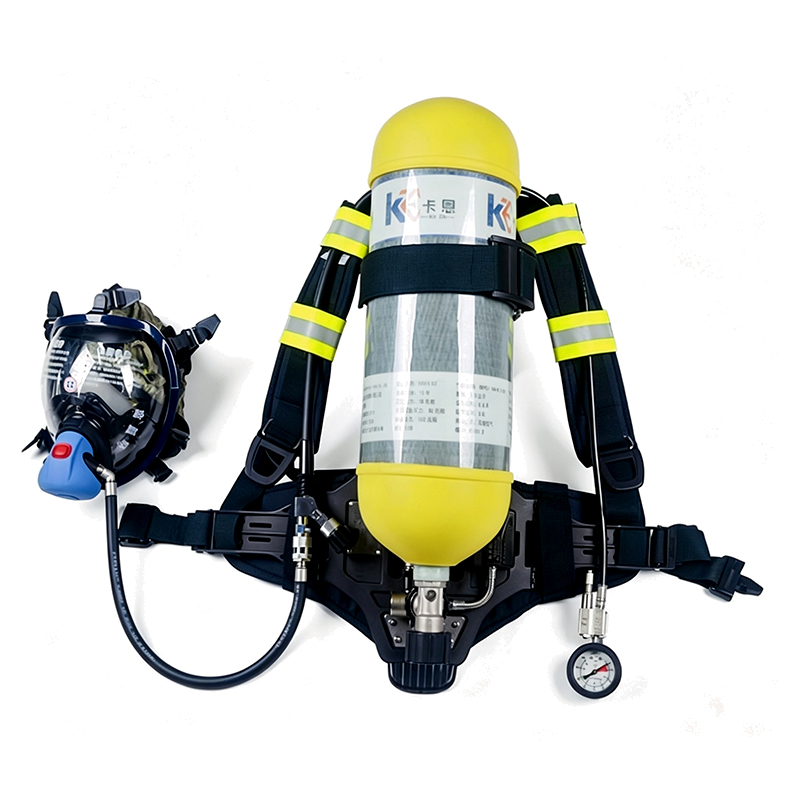
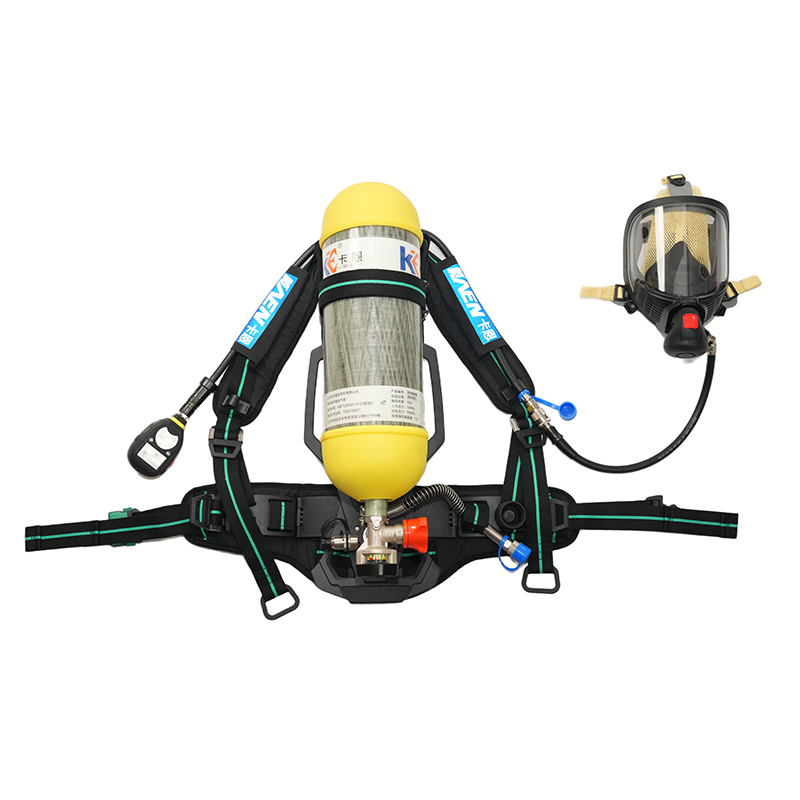
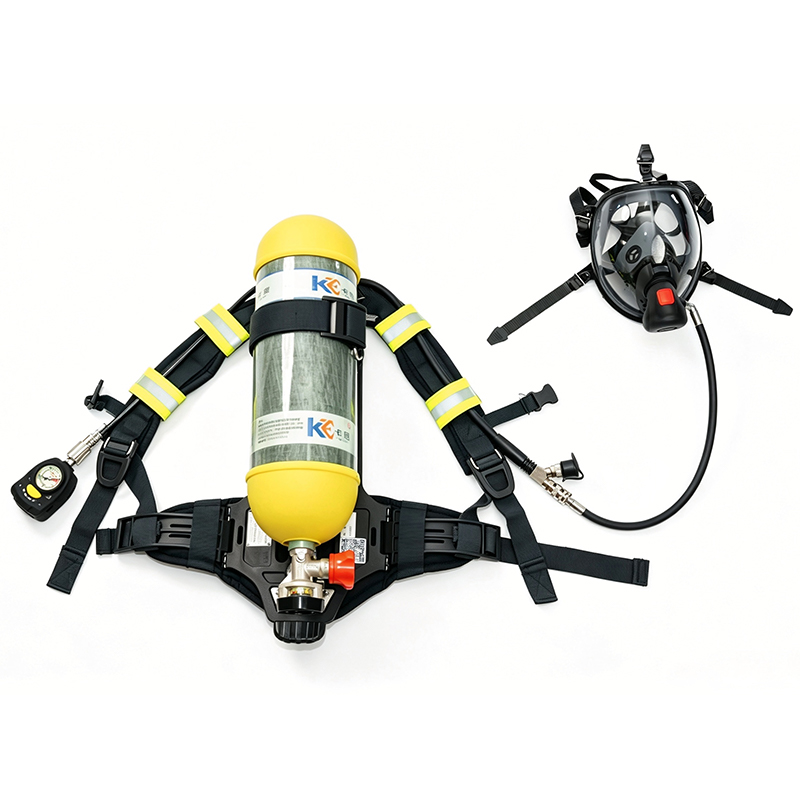
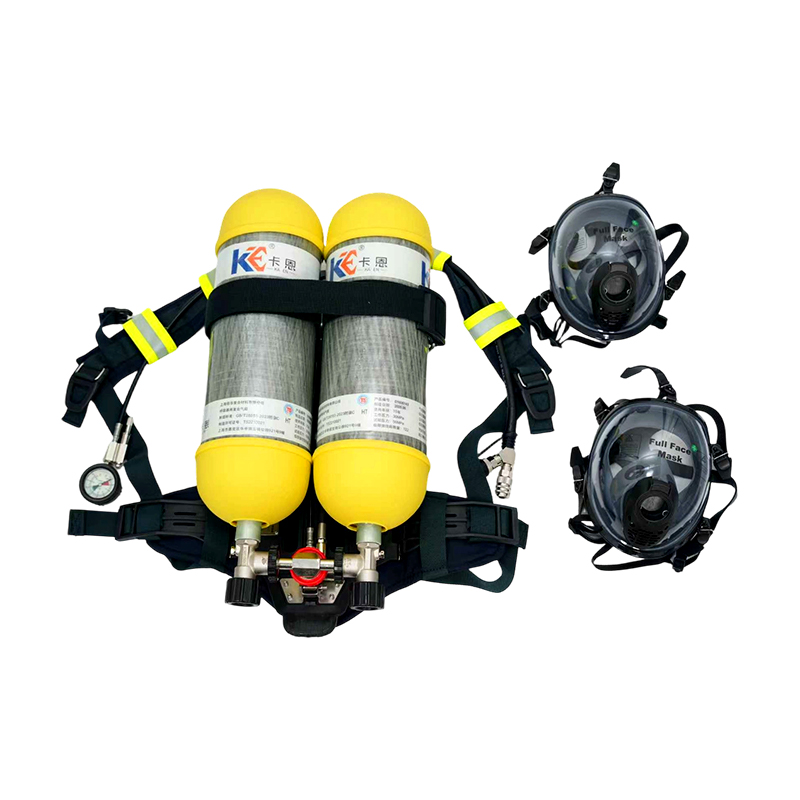
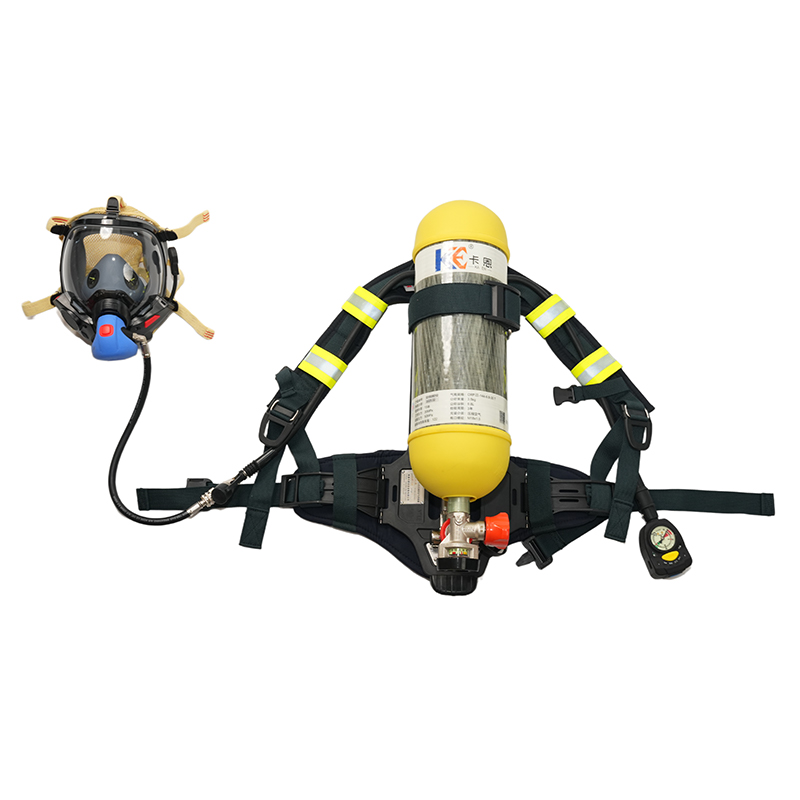
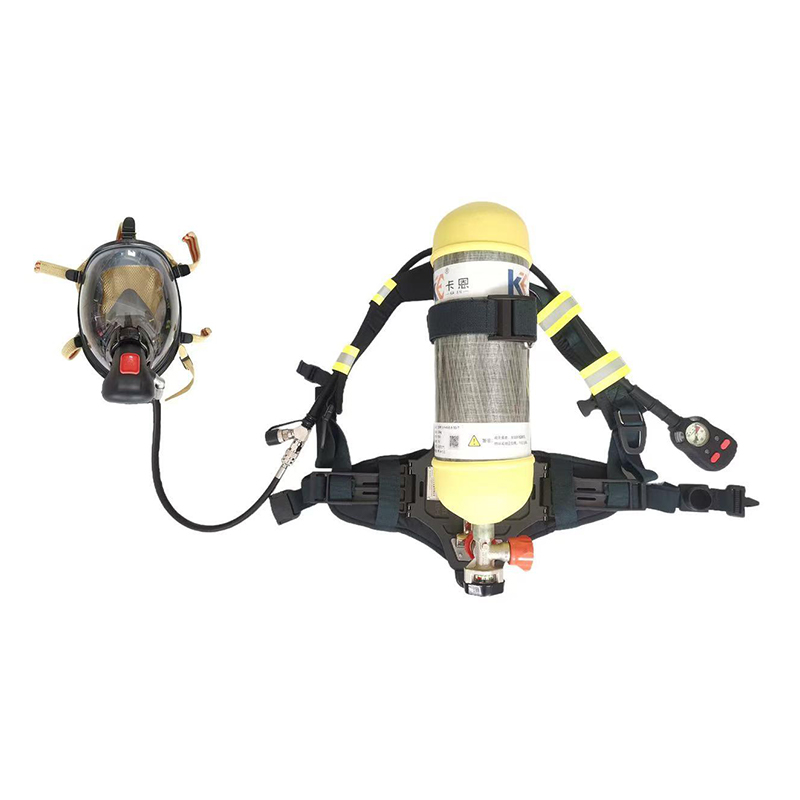
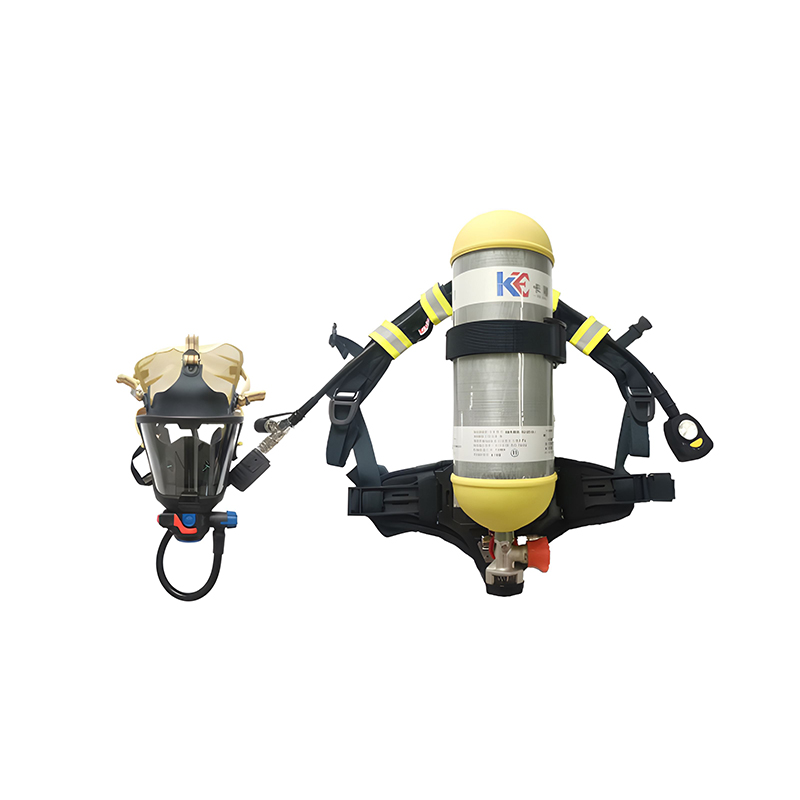
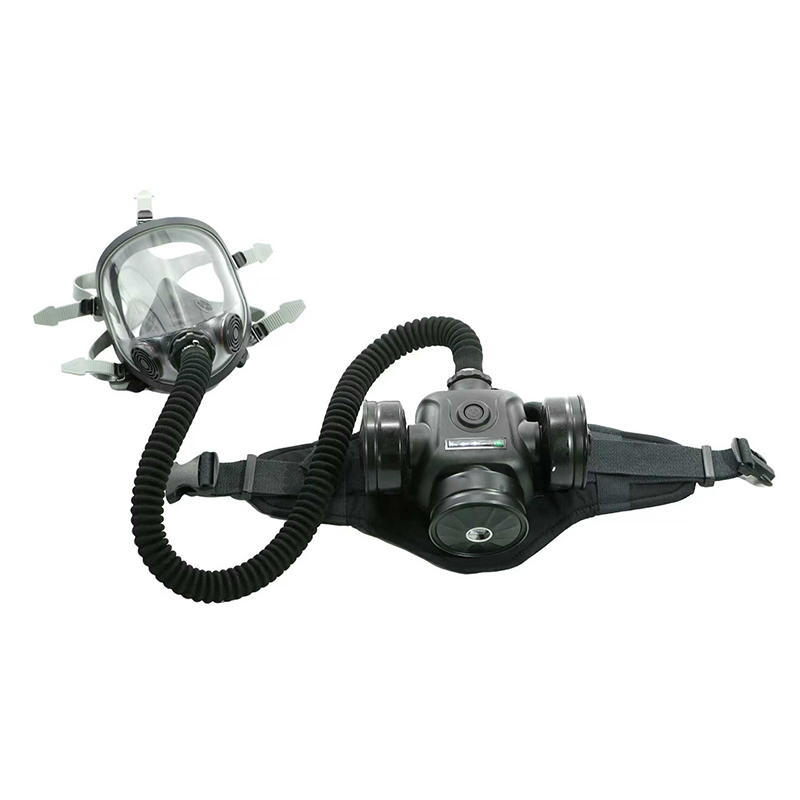
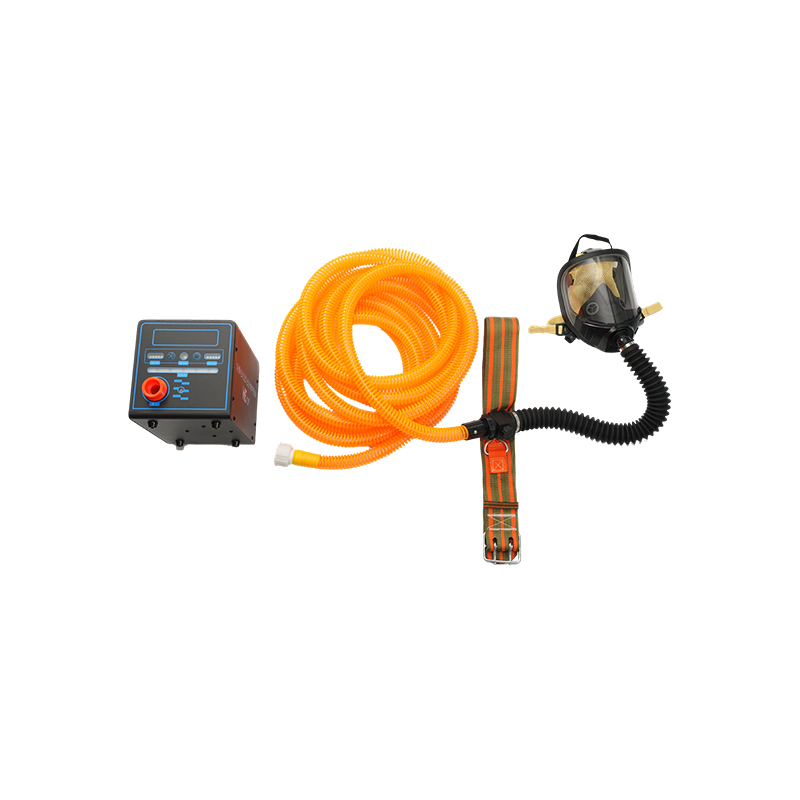
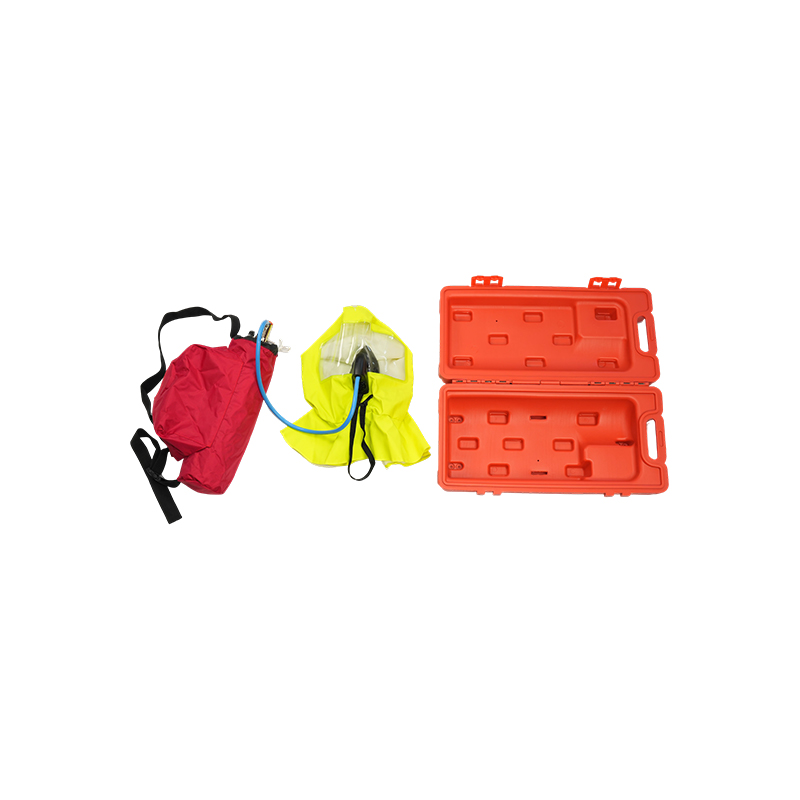
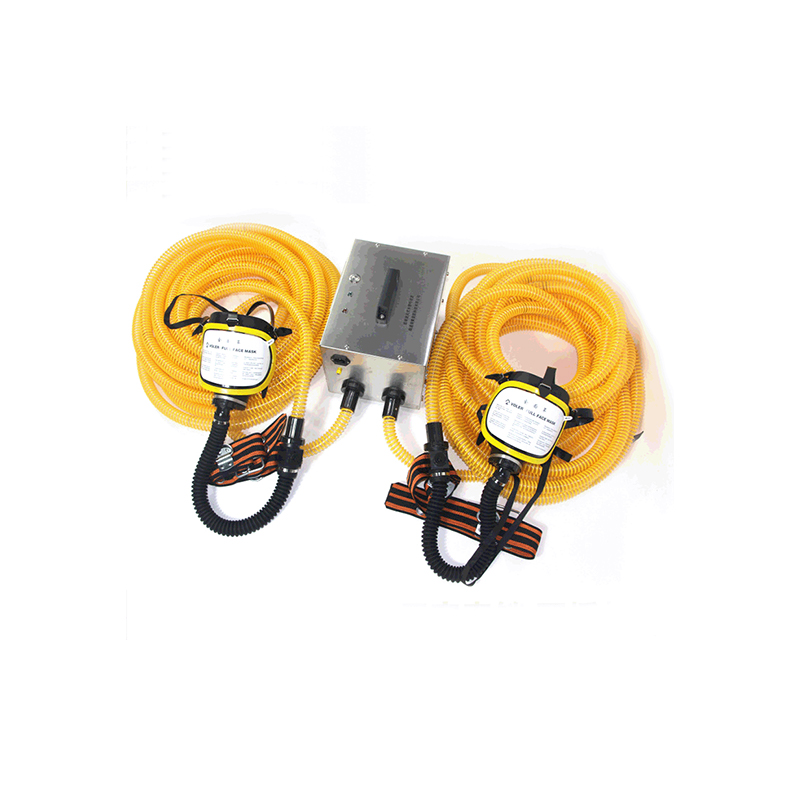
In environments containing toxic gases, dust, fumes, or lacking oxygen, respiratory protective equipment is crucial for ensuring personnel safety. Whether in industrial operations, emergency rescue, or special environment work, reliable respiratory protection effectively reduces occupational hazards and ensures operational safety. Respiratory protective equipment prevents the inhalation of harmful substances, filtering toxic gases, dust, and fumes, thus preventing respiratory tract damage or poisoning. It also supplies breathable air in oxygen-deficient or confined spaces (such as storage tanks and underground pipelines). This reduces occupational health risks and improves personnel's ability to survive and work in hazardous environments. Respiratory protective equipment is suitable for industries such as chemical, petroleum, and pharmaceutical industries (exposure to toxic gases and volatile chemicals); mining, construction, and welding operations (protection against dust and metal fumes); and spraying and electroplating operations (protection against organic vapors and acid mists). Respiratory protective equipment is also vital in special rescue environments such as firefighting, hazardous chemical spill response, and rescue operations in underground, tunnel, and confined spaces (where oxygen is deficient or toxic gases are present).
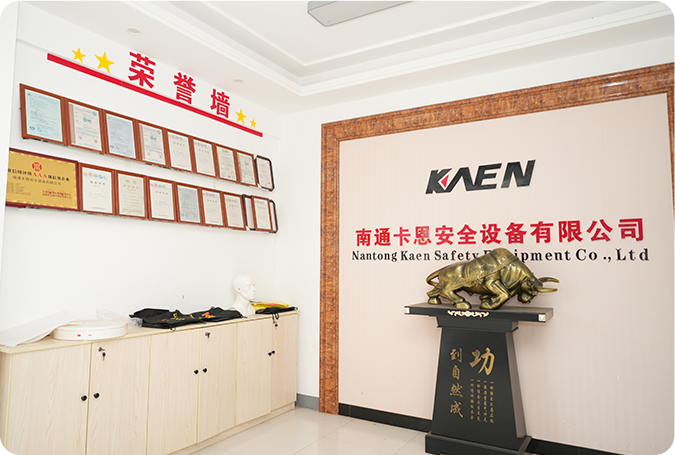
Nantong Kaen Safety Equipment Co., Ltd. is a China
Wholesale Rescue Breathing Apparatus Supplier and Fire Scene Rescue SCBA Factory
. It is located in Haian, a renowned county in Jiangsu Province, and situated within the National Economic Development Zone of Haian, Jiangsu, with convenient transportation and well-developed logistics networks.
The RHZK6.8/A self-contained breathing apparatus is an industry-standard self-contained open-circuit respiratory protection device. With a 6.8L cylinder volume and 2040L air storage capacity.It achiev...
The RHZK6.8/B positive-pressure air breathing apparatus is a piece of equipment specifically designed for respiratory protection in high-risk operations.
It features a multi-layer composite cylinder...
1.Cylinder working pressure: 30 MPa
The cylinder inner layer is wrapped with circular markings. The cylinder valve is equipped with a built-in dual-sided pressure gauge, capable of displaying the inte...
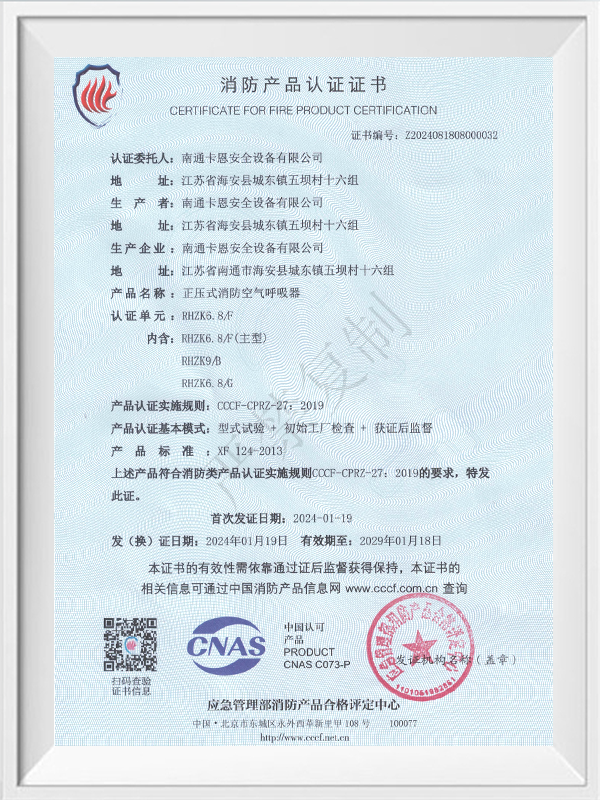
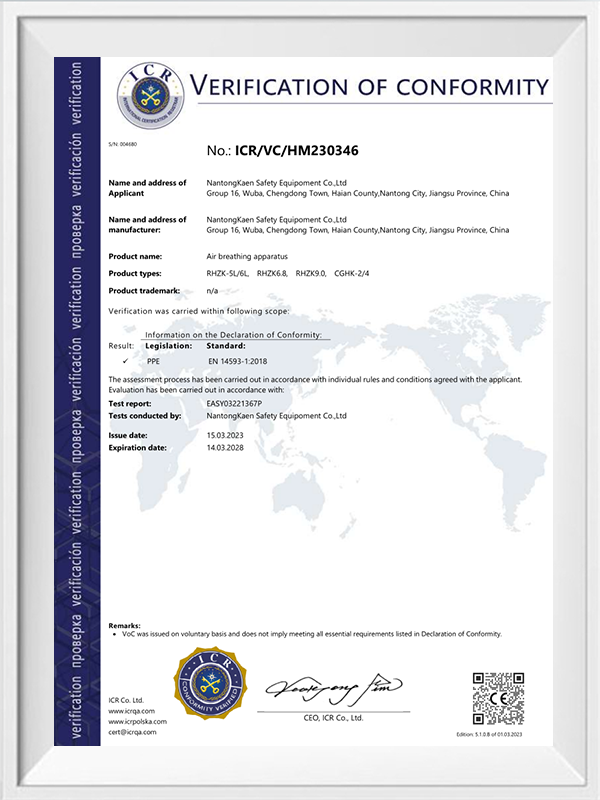
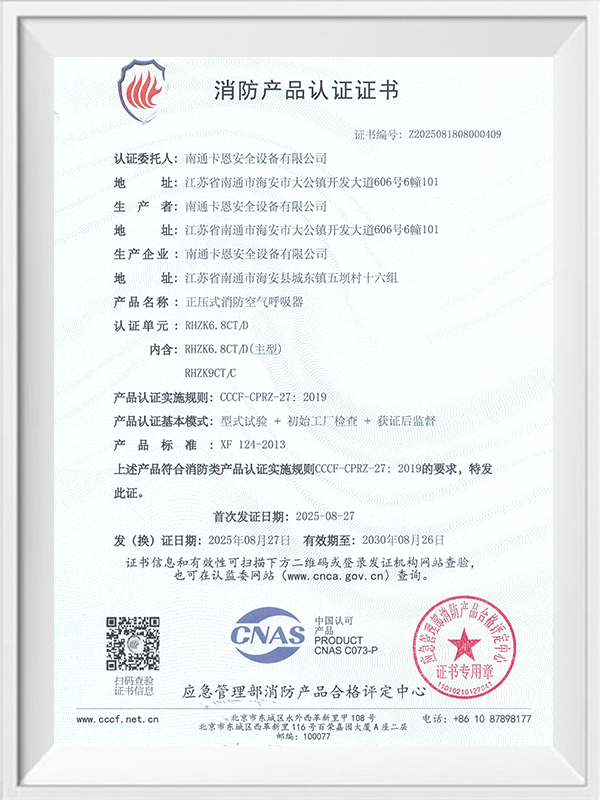
Product Standards & CertificationsThe product complies with the XF124-2013 Positive Pressure Firefighting Self-Contained Breathing Apparatus Standard.It has obtained the China Fire Product Certifi...
The RHZK-6.8L-2 dual-cylinder carbon fiber positive-pressure self-contained breathing apparatus (SCBA) is a high-end respiratory protection device designed for emergency rescue, firefighting operation...
The RHZK9CT/A positive-pressure air respirator is a self-contained open-circuit breathing apparatus, designed to meet the core protection needs of firefighting and high-risk work scenarios.
Compared...
The RHZK6.8/F Compressed Air Breathing Apparatus is a portable, positive-pressure air breathing device that utilizes a 6.8L high-pressure cylinder to store clean compressed air, providing users with r...
Advantages:
Mask:
The mask features a cylindrical design and is made of liquid silicone, providing reliable sealing and comfortable wear. The face shield offers a wide field of view with high light...
Overview
Main uses and scope of application
This product belongs to the operation and escape breathing protective equipment, mainly used to prevent the inhalation of harmful gases, dust,...
Product OverviewThis powered air-supply long hose respirator is designed for occupational respiratory protection, effectively filtering harmful gases, dust, smoke, and other pollutants, while compens...
Nantong Kaen Safety Equipment Co., Ltd. is a professional enterprise specializing in the production and sales of fire safety protection equipment. It is located in Haian, a renowned county in Jiangsu Province, and situated within the National Economic Development Zone of Haian, Jiangsu, with convenient transportation and well-developed logistics networks.
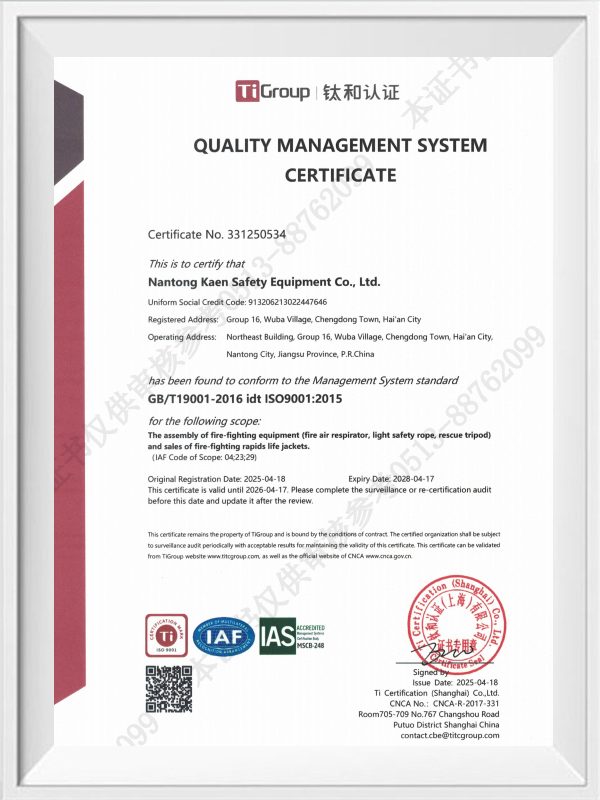
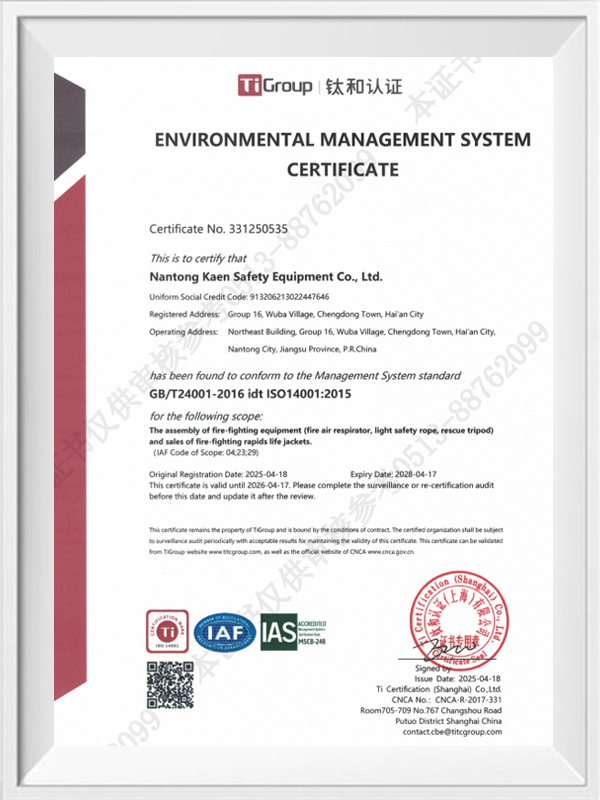
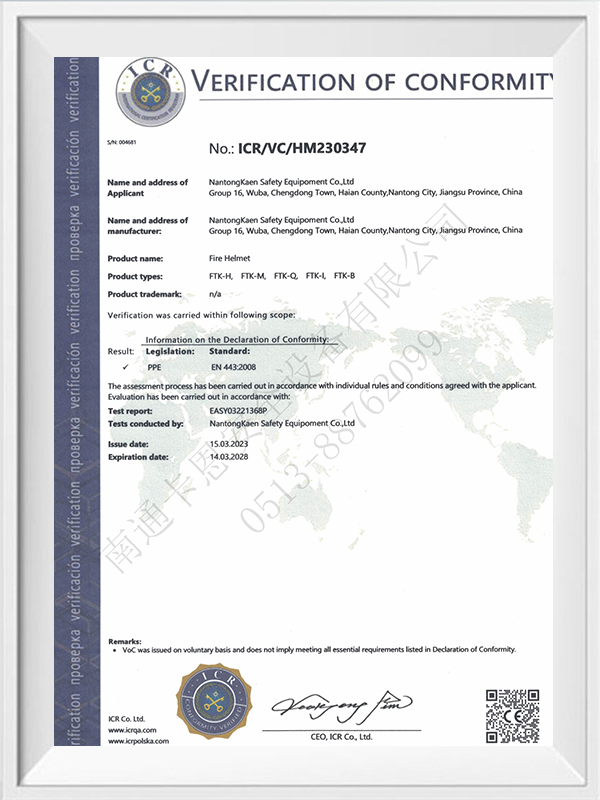
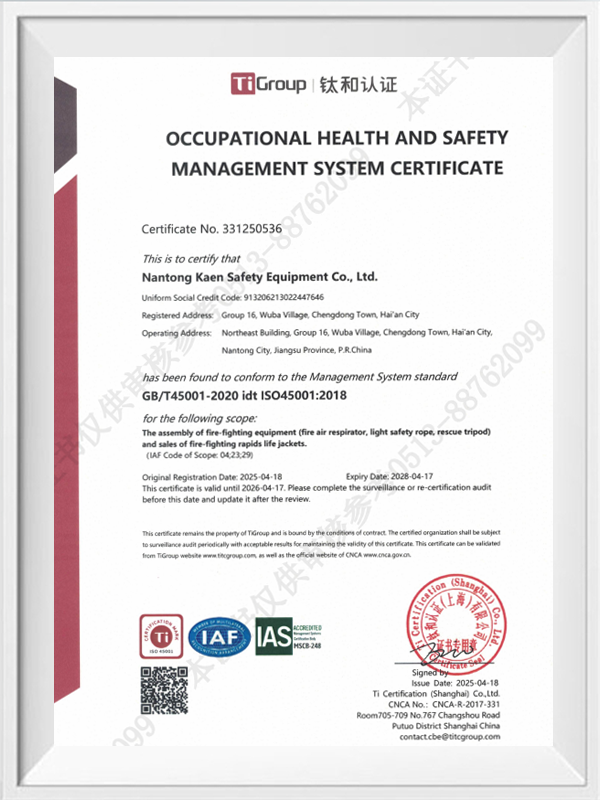
Covering a floor area of 5,000 square meters, our company is equipped with modern and advanced production equipment and a team of professional management personnel. We have obtained the ISO9001 International Quality Management System Certification, and our products have passed the CE, CCCF, and other relevant certifications. Endowed with strong technical strength, we now have 36 technical personnel, including 5 senior engineers and 8 engineers. Our robust technical capabilities provide a solid guarantee for product after-sales services. However, the existing safety product service sector is still far from fully addressing people's demands for fire protection, safety,y and occupational health in work and daily life.
As one of the leading manufacturers in the fire protection industry, Nantong Kaen Safety Equipment Co., Ltd. is a Wholesale Explosion-Proof Long Tube Respirator Supplier and Fire fighting SCBA Factory, specializes in the R&D, production and sales of a full range of products, including air breathing apparatus series, fire helmet series, fall protection series (rescue tripods, safety ropes), hydraulic breaking and dismantling tool sets, personal protective equipment and other special protection equipment and facilities.
Our products are widely applied in the fire protection, metallurgy, chemical industry, military, police, and other public safety sectors. We provide customers with 24/7 uninterrupted services and always adhere to the three core principles: the most favorable price, superior quality,y and excellent service.
We are dedicated to providing first-class fire safety equipment and high-quality after-sales services for customers at home and abroad, and we look forward to cooperating with people from all walks of life.
We know we must go all out!
Kaen is your safety guardian, and Kaen will be with you forever!
A worker at the bottom of a manhole collapses. The entry team has a tripod, a winch, and a full-body harness. But if that harness has only a back D-ring, the retrieval line can lift the worker at an ...
A paint shop supervisor we worked with used to order disposable masks by the case. Then the primer changed to a solvent based product, odour breakthrough became a daily complaint, and the real proble...
A supervisor pulls a glove off at the end of a shift and finds a small puncture near the base of the thumb. The glove carried an ANSI puncture level 4 marking. The wire still went through. Nothing pr...
A technician on a metal finishing line pulls on a thin nitrile glove that shrugs off the degreasing tank and splits on the first sharp flange. On the next shift a glass handler wears an aramid cut gl...
A maintenance technician walks along a 14-meter loading platform edge, clipping a lanyard to a steel cable overhead. The cable runs between two anchor points and passes through intermediate brackets....
Respiratory protective equipment Industry knowledge
What Respiratory Protective Equipment Is Designed to Do
Respiratory protective equipment exists to supply breathable air or filter contaminated air so a wearer can function safely in environments where oxygen levels are low or airborne hazards are present. Within fire and rescue operations specifically, this category splits into two broad approaches: self-contained systems that carry a compressed air supply on the wearer's back, and supplied-air systems that draw air through a long tube connected to a remote, clean source. A fire fighting SCBA unit falls into the first category, giving a firefighter full mobility inside a structure, while an explosion-proof long tube respirator falls into the second, extending safe working time in hazardous atmospheres where a compact air cylinder would run out too quickly.
The direct takeaway for procurement and safety teams is that no single respiratory device covers every scenario. A fire scene rescue SCBA is built for mobility and rapid entry into unpredictable structural fires, while a rescue breathing apparatus configured for confined-space or tank rescue often prioritizes extended air duration and tether-based communication instead. This article walks through measured performance data, duration trends, and structural comparisons to clarify how these equipment categories differ and where each one fits best.
Core Performance Metrics Across Equipment Categories
When comparing respiratory protective equipment, five metrics consistently matter most to safety teams: air supply duration, mobility, donning speed, weight load on the wearer, and communication integration. The horizontal bar chart below scores a self-contained breathing apparatus against a long tube supplied-air system across these categories on a 0-100 index built from typical field performance ranges. Mobility and donning speed score highest for the self-contained design, since there is no tether limiting movement and no external hose to manage during rapid entry. The long tube respirator scores highest on air supply duration, because it draws from a remote source rather than a limited cylinder, making it well suited to extended-duration tasks.
This index-based comparison shows that a fire fighting SCBA prioritizes mobility and rapid donning above all else, which matches the fast-moving nature of structural fire response, while a long tube system trades some mobility for significantly longer working duration. Understanding this trade-off is central to selecting the right respiratory protective equipment for a given rescue scenario rather than defaulting to one type across every task.
Air Supply Duration Across Cylinder Pressure Stages
Remaining air duration is one of the most operationally critical figures a firefighter or rescue worker monitors during an active incident. The line chart below tracks remaining usable air time in minutes as cylinder pressure drops across a typical fire fighting SCBA cycle, from a full 300 bar charge down to the low-pressure alarm threshold. Air consumption is not perfectly linear because breathing rate increases under physical exertion, which is why the curve steepens as pressure drops and the wearer's workload typically increases during advanced stages of an entry. This kind of duration mapping helps incident commanders estimate safe working windows and plan rotation schedules for entry teams before air supply becomes critical.
Usable air time drops from roughly 38 minutes at full 300 bar pressure to around 8 minutes as the cylinder approaches the low-pressure alarm point, a pattern that reflects both normal air release physics and the tendency for breathing rate to rise under physical stress. This curve underlines why entry teams are typically trained to begin their exit well before the alarm threshold rather than treating it as the moment to leave.
Where Different Equipment Types Are Deployed
The application spread of respiratory protective equipment varies significantly depending on the nature of the incident. The vertical bar chart below shows a representative usage breakdown across common rescue and fire response categories, based on aggregated field usage patterns. Structural fire response leads the distribution, followed by confined-space and industrial rescue, hazardous material response, and training or drill exercises, each drawing on different strengths of the equipment involved.
Structural fire response accounts for roughly 34% of typical deployment, which aligns with the mobility-first design of a self-contained fire scene rescue SCBA. Confined-space and industrial rescue together account for a sizable share, reflecting scenarios where an explosion-proof long tube respirator often becomes the more practical choice due to extended duration needs and the presence of a stable air source outside the hazard zone.
Comparing SCBA and Long Tube Systems Across Key Dimensions
A radar chart makes it easier to see the full trade-off between a self-contained breathing apparatus and a long tube supplied-air system, since it plots multiple dimensions simultaneously rather than reducing the comparison to one number. The chart below compares a fire fighting SCBA against an explosion-proof long tube respirator across mobility, air duration, setup speed, hazard zone independence, and weight carried by the wearer. The SCBA extends further on mobility and setup speed, while the long tube system extends further on air duration and reduced wearer weight, since the air source itself stays outside the hazard area rather than being carried on the body.
Neither shape covers every dimension, which is exactly the point of comparing them this way: a rescue breathing apparatus selected for one scenario may be a poor fit for another. Rescue teams that face both structural fire and confined-space tasks often maintain both equipment categories rather than trying to make one system serve every incident type.
Practical Selection Guidance by Scenario
Selecting the right respiratory protective equipment starts with identifying the nature of the hazard, the expected duration of the task, and how far the entry team needs to move from a fixed air source. The table below summarizes practical guidance across common rescue scenarios.
Scenario-Based Equipment Reference
Table 1: Practical guidance for respiratory protective equipment selection by scenario
Scenario
Suitable Equipment
Reason
Structural fire entry
Fire Fighting SCBA
Full mobility, rapid donning
Tank or vessel confined-space rescue
Explosion-Proof Long Tube Respirator
Extended air duration from remote source
Rapid extrication rescue
Fire Scene Rescue SCBA
Fast entry without external tether
Prolonged industrial hazard work
Rescue Breathing Apparatus (long tube)
Reduces wearer fatigue over time
Before deploying respiratory protective equipment in the field, a few additional checks support safe and reliable use:
Confirm cylinder pressure and remaining air time before every entry.
Verify face seal integrity and mask fit for each individual wearer.
Check that low-pressure alarms and communication systems are functioning correctly.
For long tube systems, inspect hose routing and confirm the remote air source is stable and accessible.
Review team rotation schedules against expected air duration for the specific task at hand.
The performance data referenced throughout this article depends on consistent manufacturing practices across every unit produced. Regulator precision, face seal material quality, and cylinder valve assembly all contribute to predictable behavior once respiratory protective equipment is deployed into an active incident. Automated production and in-process testing help minimize unit-to-unit variation, which matters most in high-stakes situations where a fire fighting SCBA or rescue breathing apparatus must perform exactly as expected without hesitation.
Standard quality checkpoints such as pressure testing, face seal verification, and regulator flow calibration support the reliability trends discussed earlier in this article. For safety officers and procurement teams sourcing equipment at scale, asking about a manufacturer's process controls is often just as informative as reviewing published datasheet specifications.
About Nantong Kaen Safety Equipment Co., Ltd.
Nantong Kaen Safety Equipment Co., Ltd. is a professional enterprise engaged in the production and sales of fire safety protection equipment, including respiratory protective equipment used across structural fire, confined-space, and industrial rescue scenarios. The company is located in Haian, a renowned county in Jiangsu Province, and is situated within the National Economic Development Zone of Haian, Jiangsu, offering convenient transportation and well-developed logistics support for both domestic and international customers.
Drawing on its location within a well-connected industrial zone, the company focuses on producing reliable safety equipment while maintaining efficient logistics that support timely delivery. This combination of manufacturing focus and logistical positioning allows Nantong Kaen Safety Equipment Co., Ltd. to serve fire departments, rescue teams, and industrial safety programs seeking dependable respiratory protective equipment for demanding field conditions.
Frequently Asked Questions
Q1: What is the main difference between a fire fighting SCBA and a long tube respirator?
A1: A fire fighting SCBA carries its own air cylinder on the wearer's back for full mobility, while a long tube respirator draws air through a hose from a remote source, offering longer duration at the cost of some movement range.
Q2: When is an explosion-proof long tube respirator the better choice?
A2: It tends to work well for confined-space or tank rescue tasks that last longer than a typical cylinder charge allows, especially where a stable, remote air source can be positioned outside the hazard zone.
Q3: How should air duration be monitored during an active rescue?
A3: Cylinder pressure should be checked continuously, and teams are generally trained to begin exiting well before the low-pressure alarm activates, since breathing rate can increase sharply under physical exertion.
Q4: Can the same rescue breathing apparatus be used for both fire and confined-space incidents?
A4: In many cases teams maintain separate equipment types for each scenario, since the mobility priorities of structural fire response differ significantly from the extended-duration needs of confined-space work.
Q5: What manufacturing factors most affect the reliability of respiratory protective equipment?
A5: Regulator precision, face seal material quality, and consistent cylinder valve assembly are key factors, supported by process checks such as pressure testing and flow calibration during production.


 English
 Español
 中文简体
中文简体