
 English
 Español
 中文简体
中文简体Comply with all performance requirements specified in GB 2890-2022 Respiratory Protection - Self-priming Filter Type Gas Masks. Provide complete and valid test reports issued by national authoritative...
See Details
2026-10-09
Content
A paint shop supervisor we worked with used to order disposable masks by the case. Then the primer changed to a solvent based product, odour breakthrough became a daily complaint, and the real problem turned out to be the mask type, not the mask count. Moving the crew to elastomeric face masks solved two things at once: the seal held through a full shift, and the cartridges matched the vapour in the booth.
Here is the short answer first. An elastomeric face mask is a reusable respirator with a soft rubber or silicone body, one or two replaceable filter cartridges and a reusable head harness. The body does not filter anything. It seals against the face and holds the cartridges in place. You keep the body, clean it, and replace the parts that wear out. If your people wear respiratory protection for more than an hour a day, or work around solvents, fine dusts or mixed contaminants, this design normally gives a better seal, a lower cost per wearing and far less waste than a disposable filtering facepiece.
Three parts do the work, and only one of them is the filter.
Because the sealing part is reused, these masks are certified against a different set of standards than disposables. A half mask is typically tested to EN 140, a full facepiece to EN 136, particulate filters to EN 143, and gas or combined cartridges to EN 14387. Filter classes N, R and P fall under NIOSH 42 CFR 84, and the equivalent framework in China is GB 2890. The number that matters for planning is the assigned protection factor, commonly 10 for a half mask and 40 for a full facepiece under most assessment schemes. That factor only holds when the mask is fit tested, worn correctly and matched to the right filter.
| Point of comparison | Elastomeric face mask | Disposable filtering facepiece |
|---|---|---|
| Service life | Body and harness last months or years | One shift up to a few days |
| Filtering element | Replaceable cartridges changed on schedule | Built into the mask, discarded with it |
| Seal | Thick soft sealing edge, pressure checks possible | Thin edge, depends on nose clip and face shape |
| Breathing resistance | Lower at the same class, exhalation valve helps | Rises as the filter loads with dust |
| Cost pattern | Higher purchase price, low cost per wearing | Low purchase price, high cost per wearing |
| Cleaning and storage | Washable, stored clean and dry between shifts | Not washable, consumed after use |
| Best fit | Long shifts, solvent or dust exposure, repeat use | Short tasks, visitors, one off jobs |
The most common reason a reusable mask underperforms is not the mask itself. It is the match between the wearer, the facepiece and the hazard.
Anything crossing the sealing edge breaks the seal: stubble, a beard, a scar, or a heavy spectacle arm trapped under the frame. Clean shaven is the reliable answer for tight fitting masks. Where that is impossible, plan for a loose fitting powered hood instead of forcing the issue.
Half masks normally come in two or three sizes. Too small presses on the cheeks and leaks at the chin, too large lifts at the nose bridge. Weight matters as well, because two heavy cartridges on a light harness drag the mask down by mid shift. Try the combination the crew will actually wear, with cartridges fitted, not the bare mask.
Dust and weld fume need a particulate filter, while solvent vapour needs a chemical cartridge with enough capacity for the task. If a job produces both, a combined cartridge is simpler and safer than debating which hazard matters more. One warning worth repeating: for gases you cannot smell or taste at dangerous levels, a cartridge is not a control on its own. Use supplied air or an air fed system.
A reusable mask is only reusable if somebody owns the maintenance routine. Assign it to one person per shift and keep the steps simple.
Never wash a cartridge. Never store a mask with spent cartridges fitted, and never pass a facepiece between users without a full clean and a valve check.
Four situations repay the higher purchase price quickly: long shifts in welding or foundry work where a disposable mask is damp within two hours, solvent exposure in spray booths, printing and coating lines, chemical handling where dust and vapour occur in the same task, and sites that want a known spare parts budget instead of an open ended consumable bill.
When you buy for a team rather than for one wearer, it helps to source facepieces, cartridges, valves and harnesses from one supplier, so a single fitting routine and a single spare parts list cover the whole site.
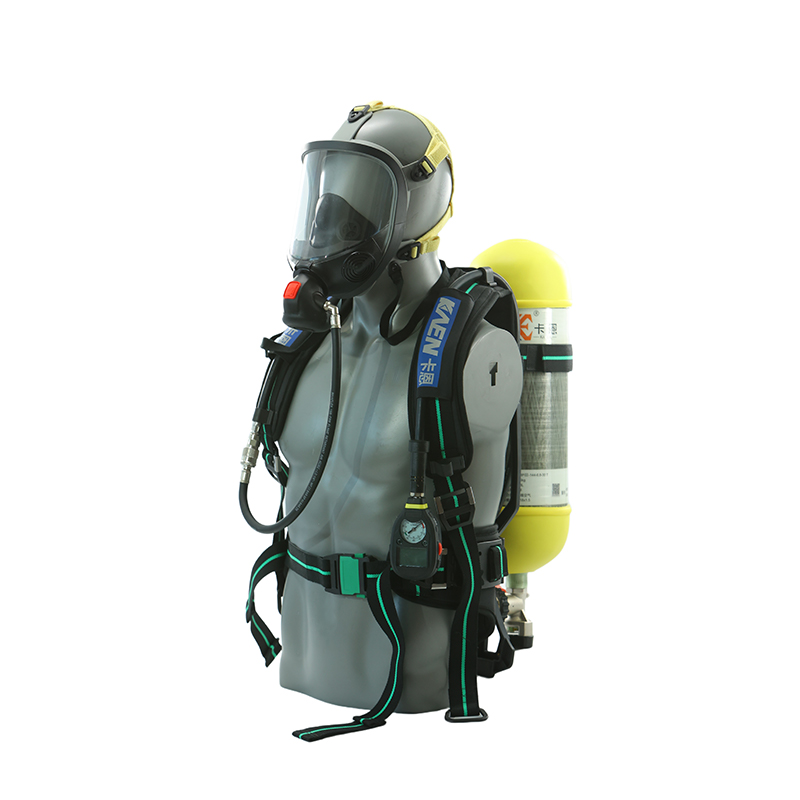 Safety Equipment Product Catalog for Respiratory, Rescue and PPEBrowse respiratory protective equipment alongside fire, rescue and PPE ranges, helping teams source facepieces, cartridges, valves and harnesses from one supplier.View Product →
Full facepieces, air fed systems and accessories follow the same logic as half masks: the same seal check, the same cleaning discipline and the same cartridge awareness.
An elastomeric face mask is a tool, not a badge. Choose the facepiece that fits the wearer, match the cartridge to the hazard, then treat cleaning and cartridge changes as scheduled tasks rather than good intentions. That is what turns a reusable mask into reliable protection.
If you need help matching masks, cartridges and spares to a specific task or crew size, send us the details and we will work through the configuration with you.
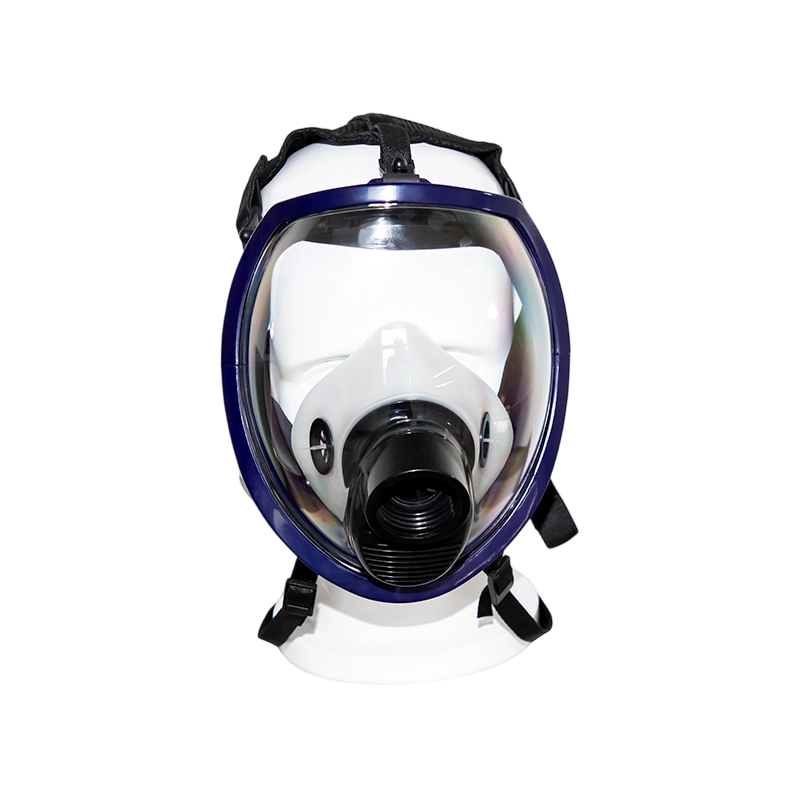
Comply with all performance requirements specified in GB 2890-2022 Respiratory Protection - Self-priming Filter Type Gas Masks. Provide complete and valid test reports issued by national authoritative...
See Details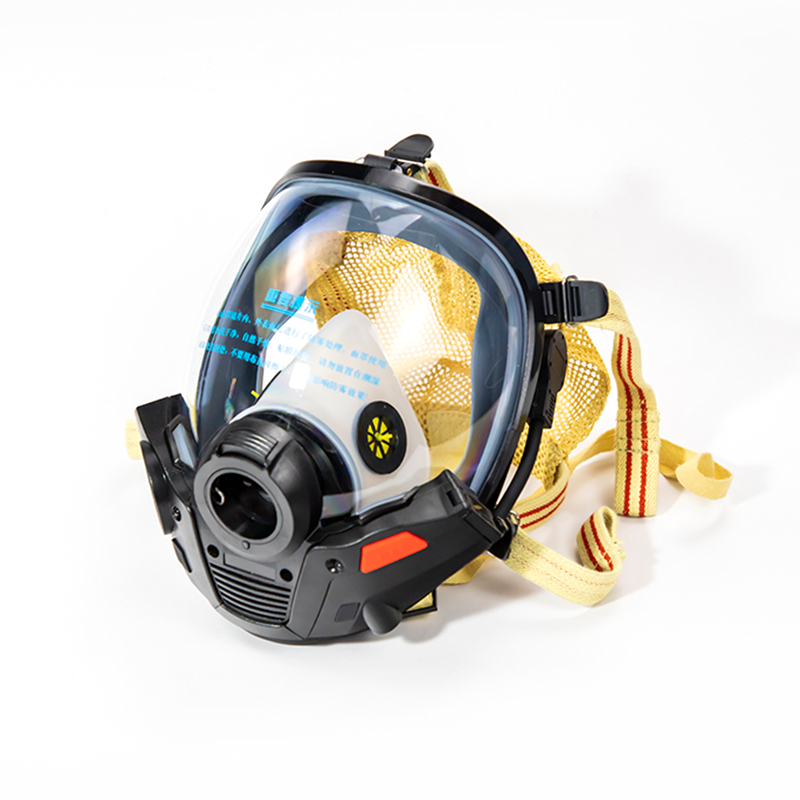
The KMQ-T positive-pressure firefighting air respirator communication mask and headset is a specialized piece of equipment that integrates respiratory protection and communication functions. Compared ...
See Details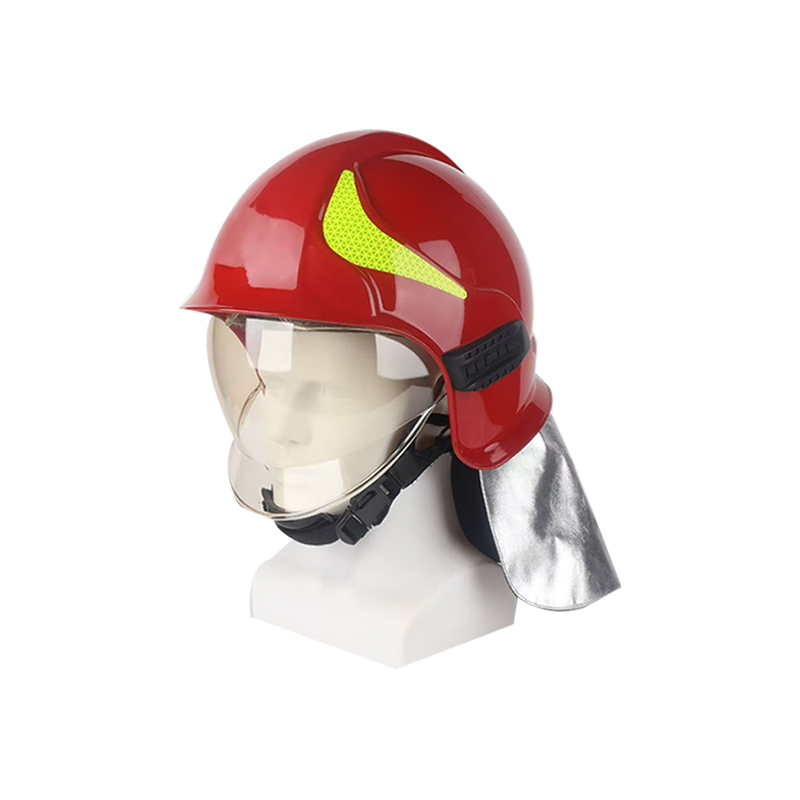
The Fire helmets are composed of a helmet shell, a mask, a cape, a buffer layer and other parts, with a Full Face-helmet design and Double Goggles styles.It has the properties of anti-sharp...
See Details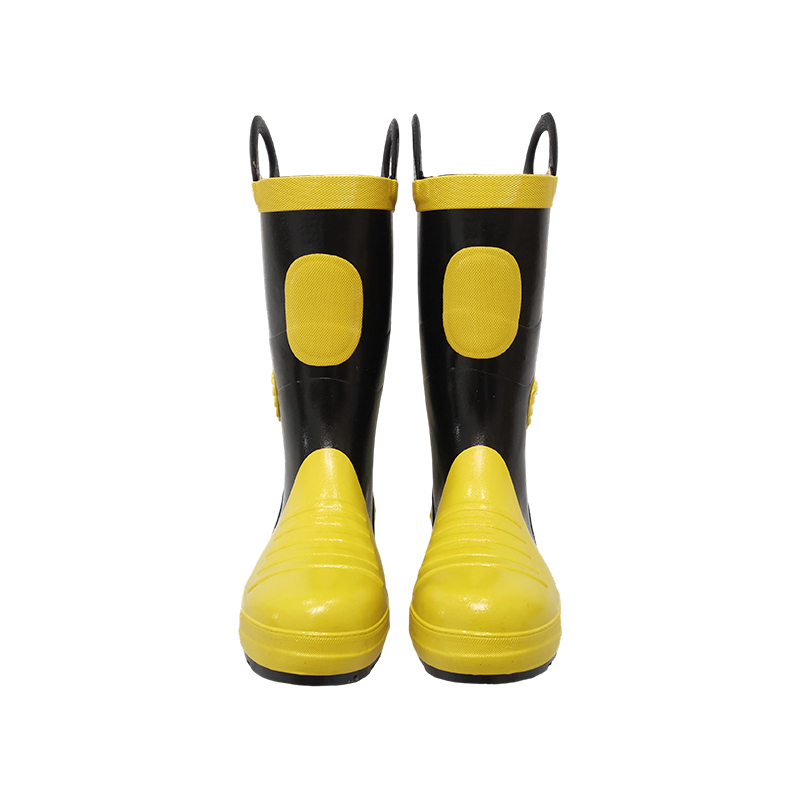
Description: The fire boots are made up of 2 parts, the shoe and the boot upper. Black colour with yellow lines. Multi-layers for the whole body. Smash-proof steel toes of the fire boots have inside &...
See Details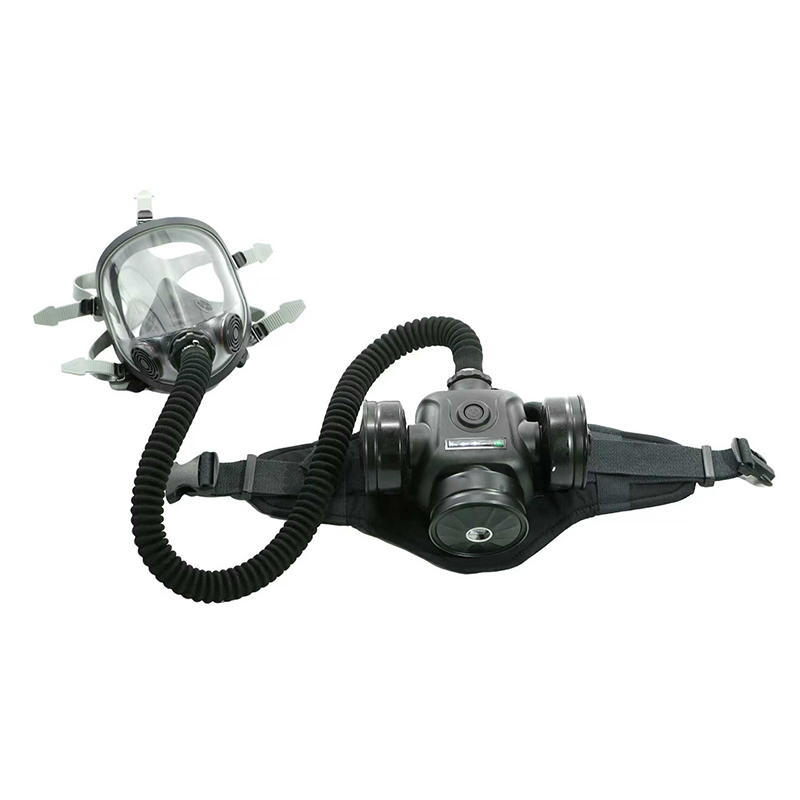
Overview Main uses and scope of application This product belongs to the operation and escape breathing protective equipment, mainly used to prevent the inhalation of harmful gases, dust,...
See Details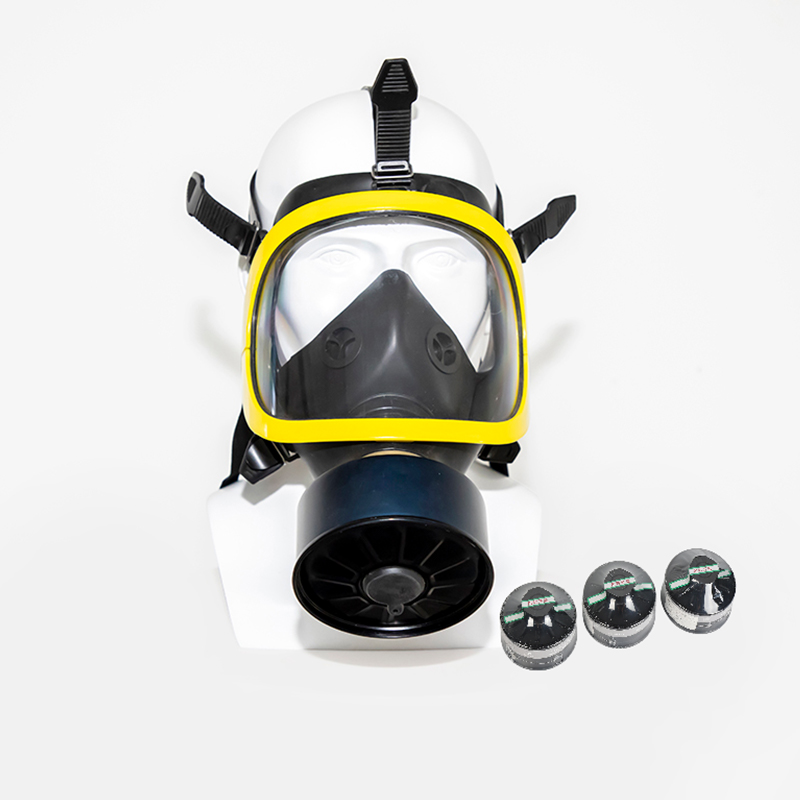
The full-face respirator (conical mask) is a filtering, full-Vision personal respiratory protective device. Compared to similar protective masks, its core advantage lies in its specially treated face ...
See Details
For any questions and feedback from customers, we will reply patiently and meticulously.


WhatsApp: 8618262215597
PHONE : +86-15370678666
EMAIL : zhouli@ntkaen.com
TEL: +86-513-88762099
Nantong Kaen Safety Equipment Co., Ltd. All Rights Reserved. ALL RESERVED. OEM Rescue Equipment Manufacturer Fire Protection Equipment Factory
