Nantong Kaen Safety Equipment Co., Ltd. is a China
Wholesale Accessories for Air Breathing Apparatus Supplier and Accessories for Air Breathing Apparatus Factory
. It is located in Haian, a renowned county in Jiangsu Province, and situated within the National Economic Development Zone of Haian, Jiangsu, with convenient transportation and well-developed logistics networks.
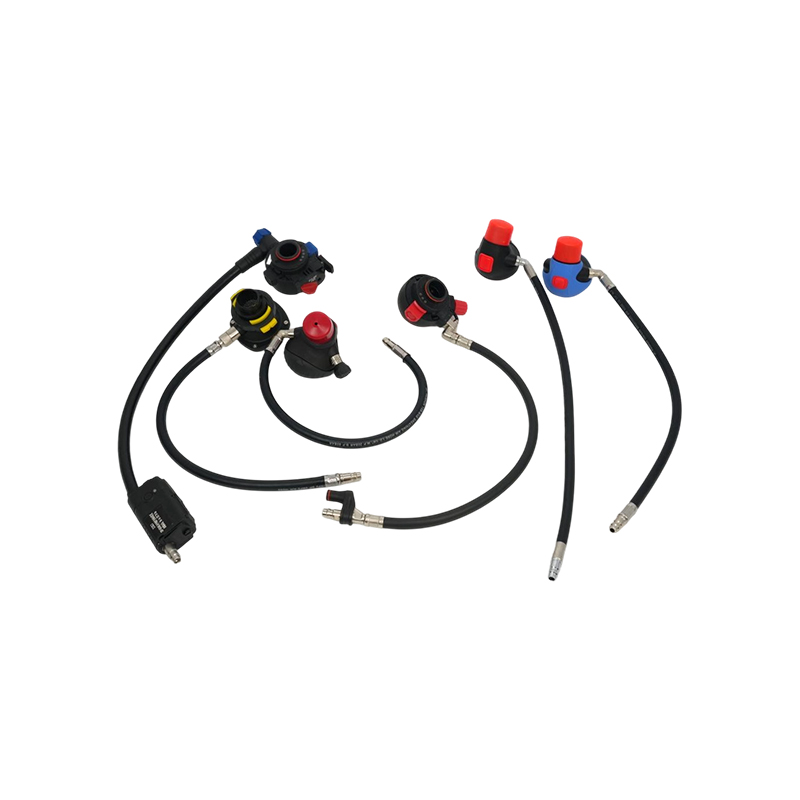
The air supply valve is an insert-type positive-pressure valve with an airflow rate exceeding 300-500 L/min. During use, simply insert the valve into the face mask and take a deep breath to activate t...
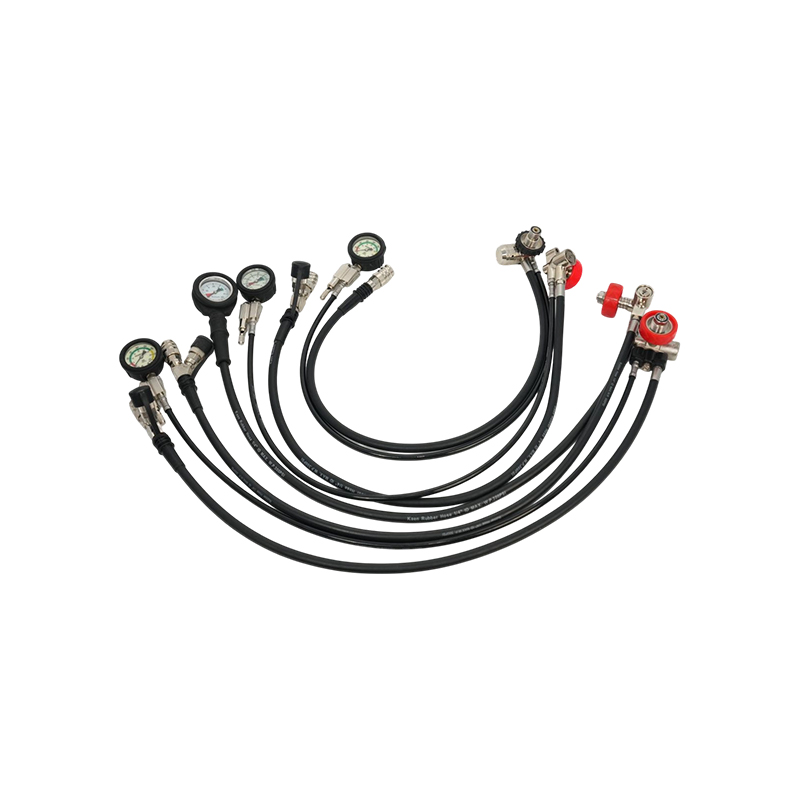
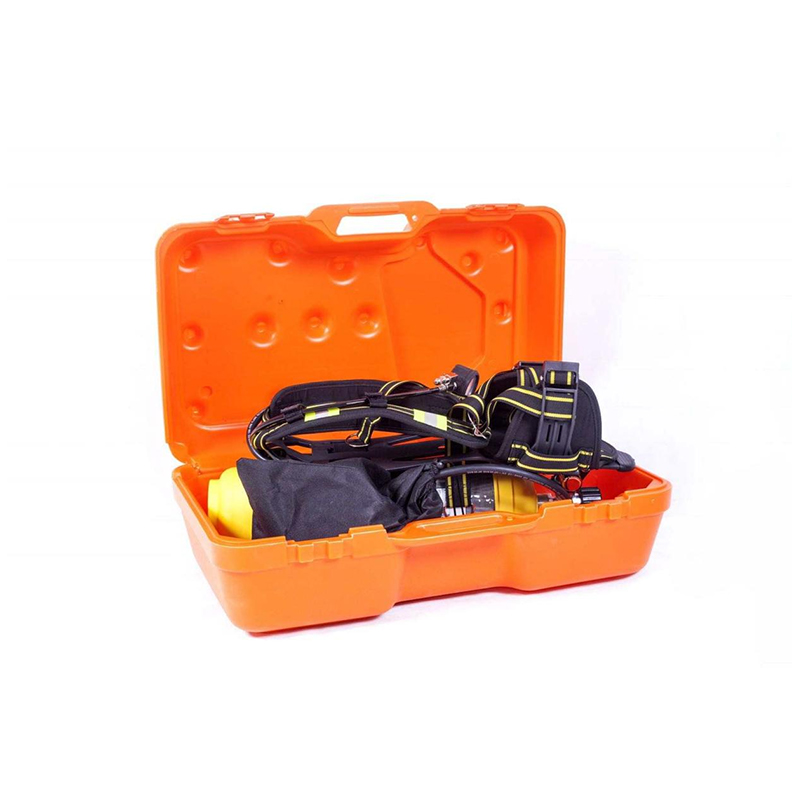
Introduction:The regulator assembly includes a pressure-reducing valve, medium- and high-pressure hoses, a mechanical pressure gauge, a remaining-air alarm, and a quick connector. It converts high-pre...
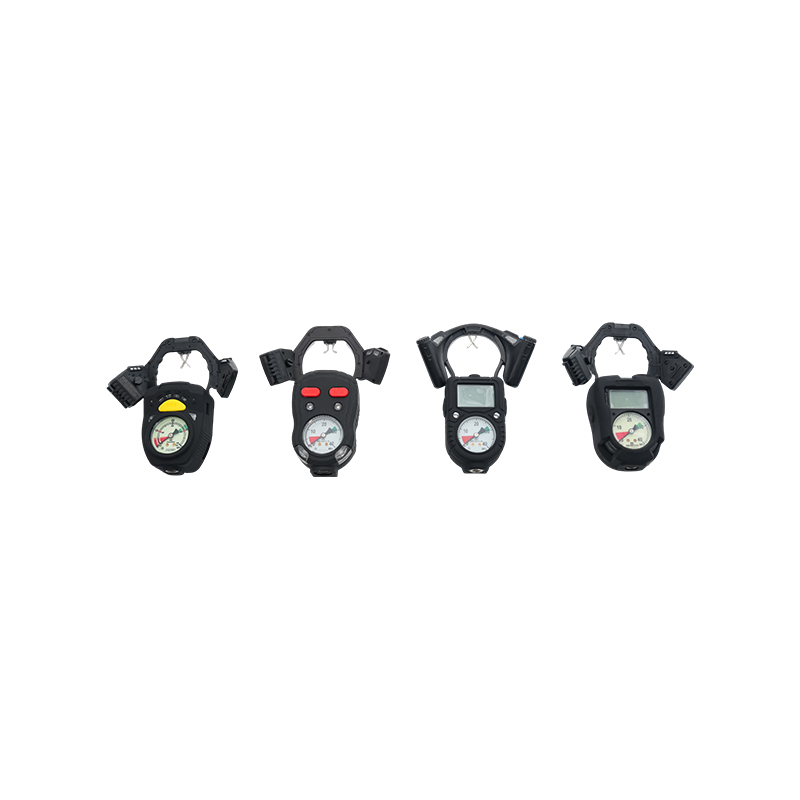
The HUD is mounted at the front of the mask’s dual lenses, providing a clear, at-a-glance view of cylinder pressure. The display uses color indicators to show the cylinder status:
Green: Pressure abo...
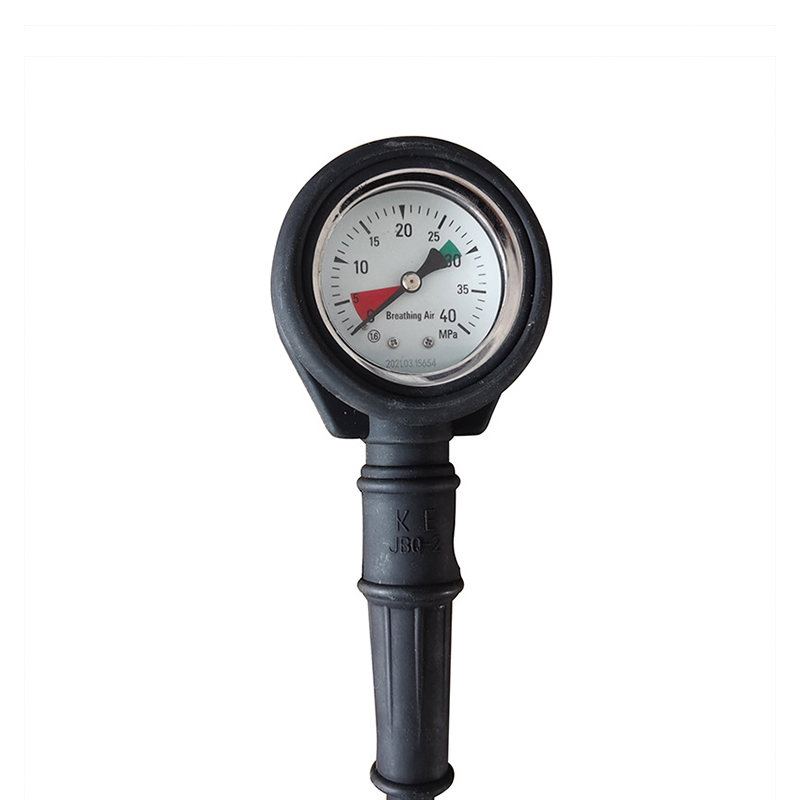
Introduction:The pressure gauge and remaining-air alarm are integrated into a single unit, providing both cylinder pressure display and an audible alarm when the cylinder reaches its designated limit....
Introduction:
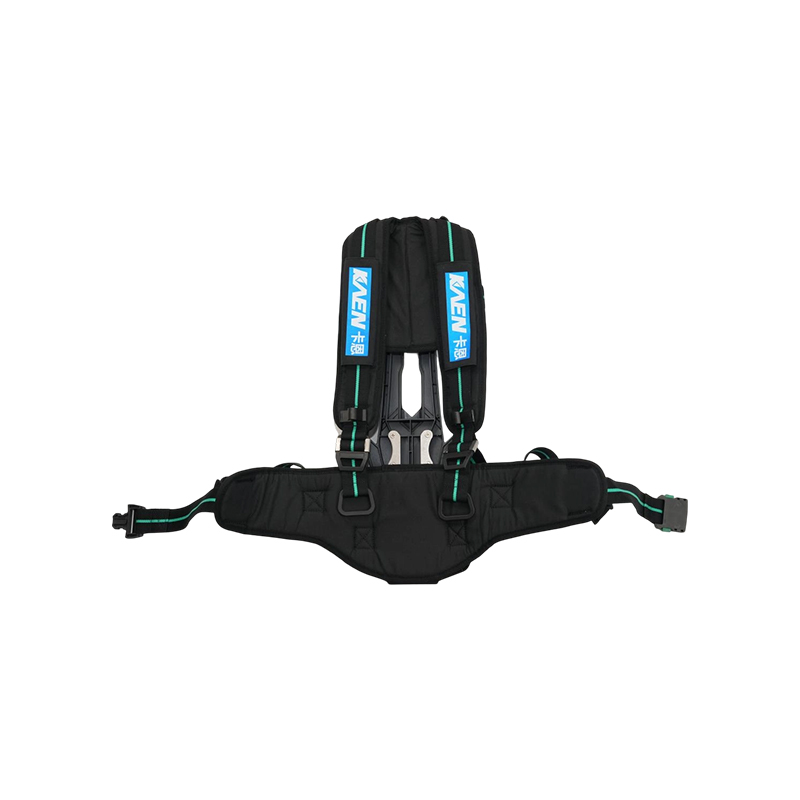
The backplate frame supports and secures the cylinder and regulator. Weight is evenly distributed across the shoulders via adjustable shoulder and waist straps, ensuring a snug fit again...
Introduction:
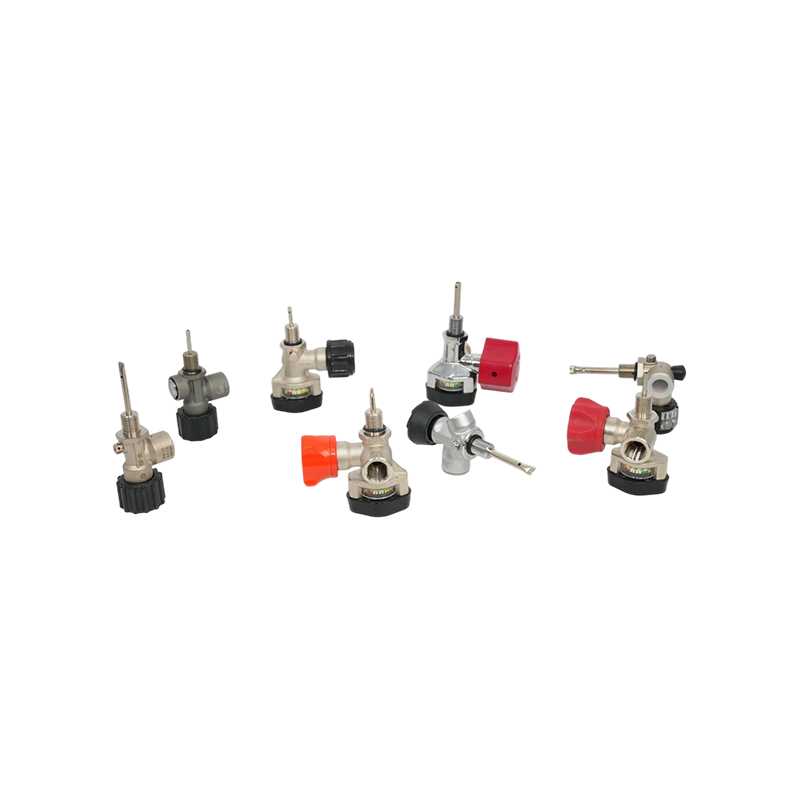
The cylinder valve is a key component for controlling the air supply. It features an internal-thread design available in two standards: British G5/8 and Metric M18×1.5, compatible with...
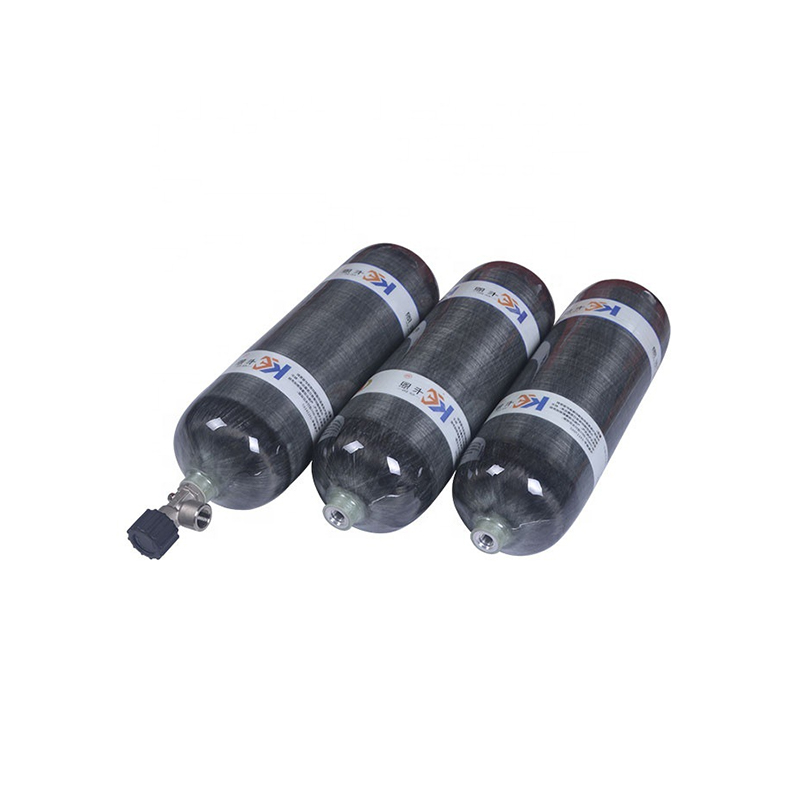
Optional: 3L / 6.8L / 9LIntroduction:
The carbon fiber reinforced composite cylinder is produced by precisely winding high-strength fibers, including carbon fiber and glass fiber, together with polyme...
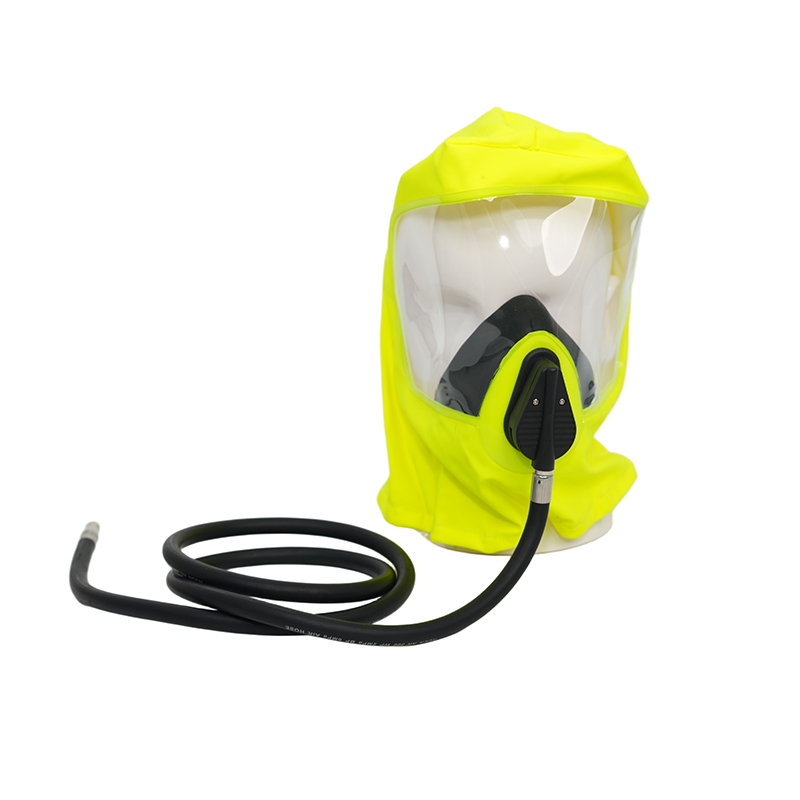
The rescue mask mainly consists of a hood, rubber tubing, and quick-connect male connectors. The mask and tubing connectors have built-in constant-flow valves to maintain a constant airflow of 30L/min...
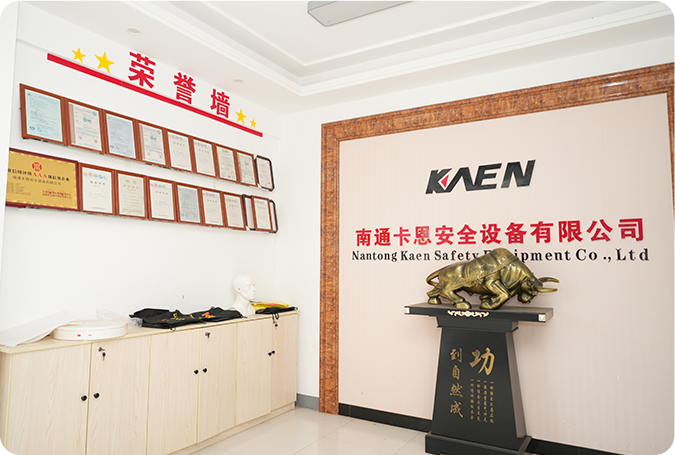
Nantong Kaen Safety Equipment Co., Ltd. is a professional enterprise specializing in the production and sales of fire safety protection equipment. It is located in Haian, a renowned county in Jiangsu Province, and situated within the National Economic Development Zone of Haian, Jiangsu, with convenient transportation and well-developed logistics networks.
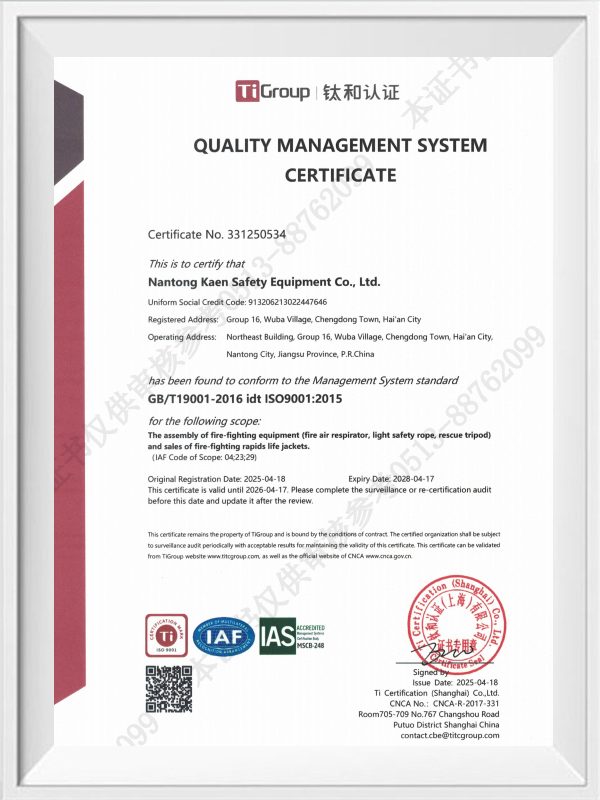
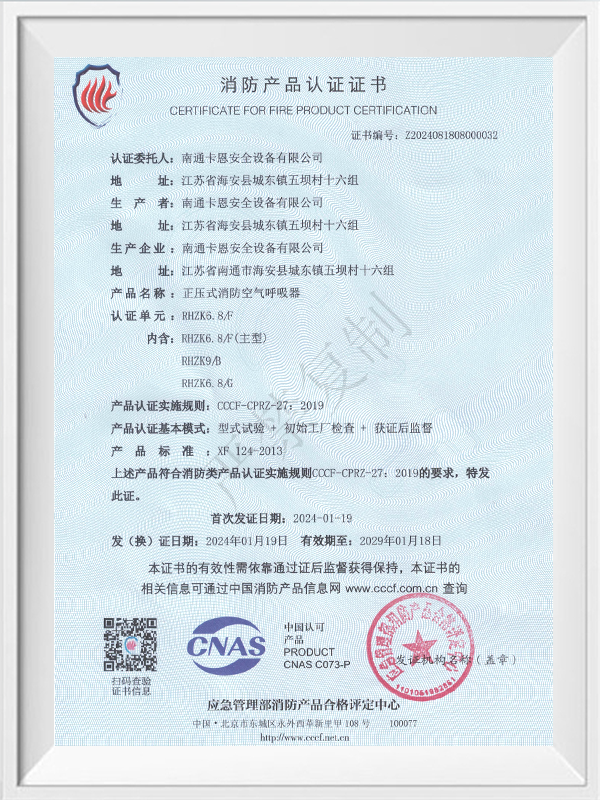
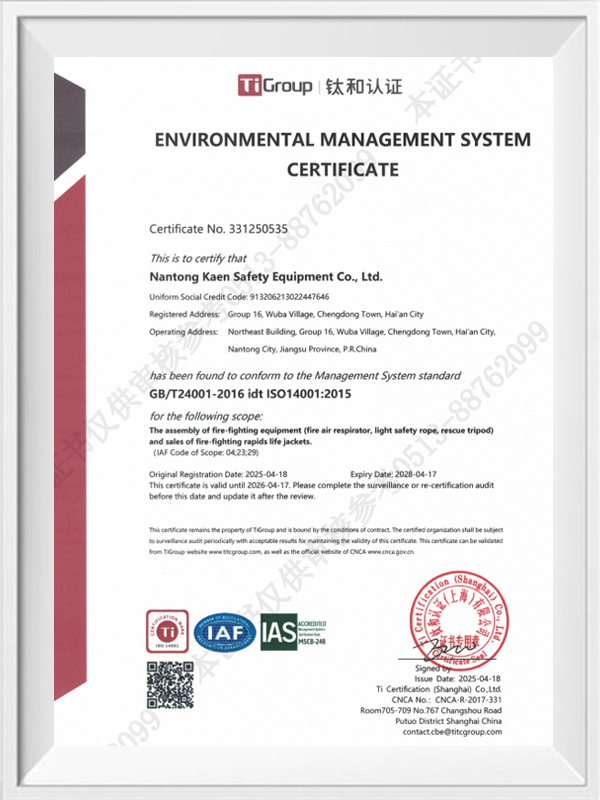
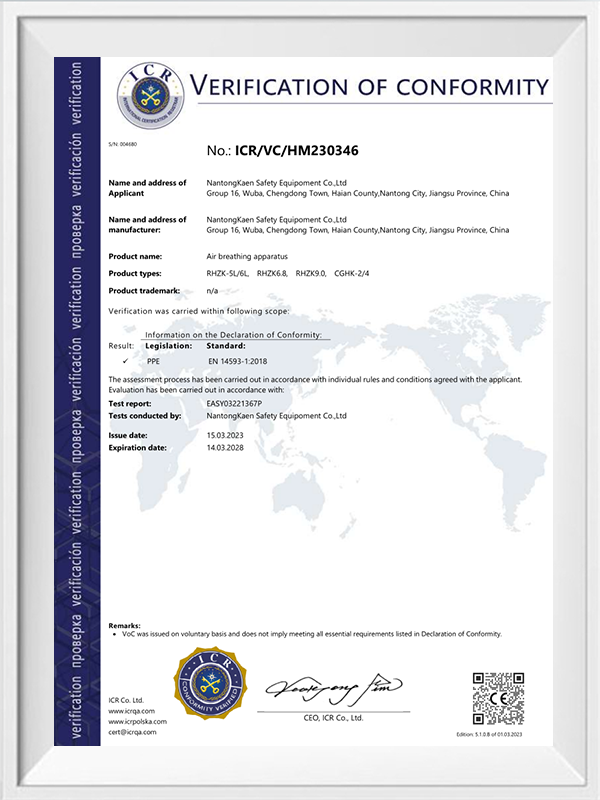
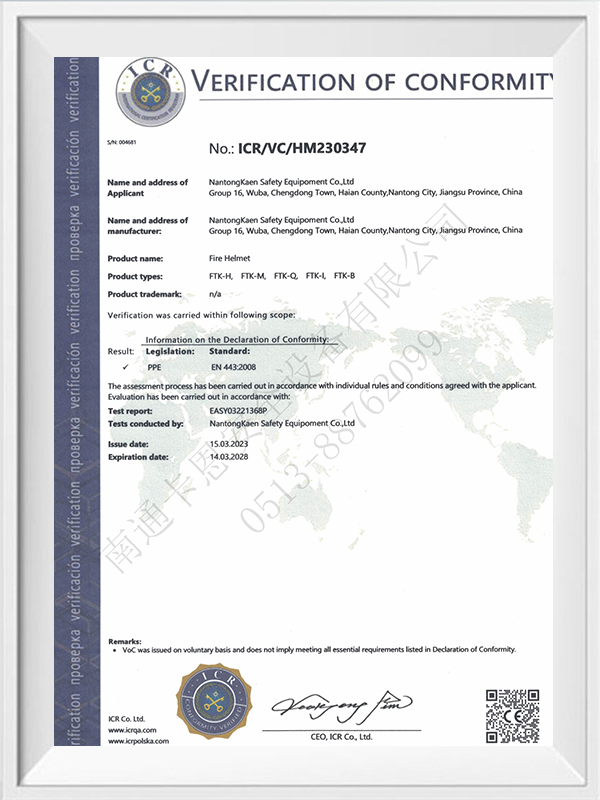
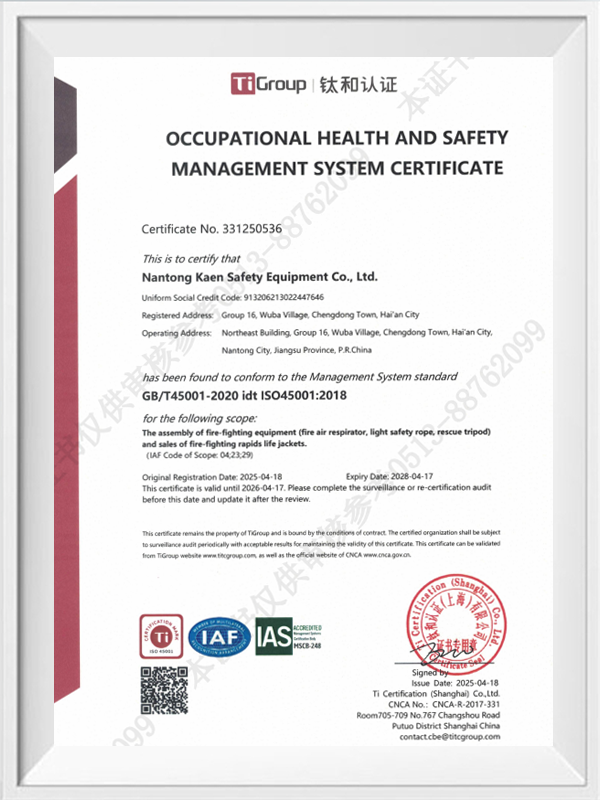
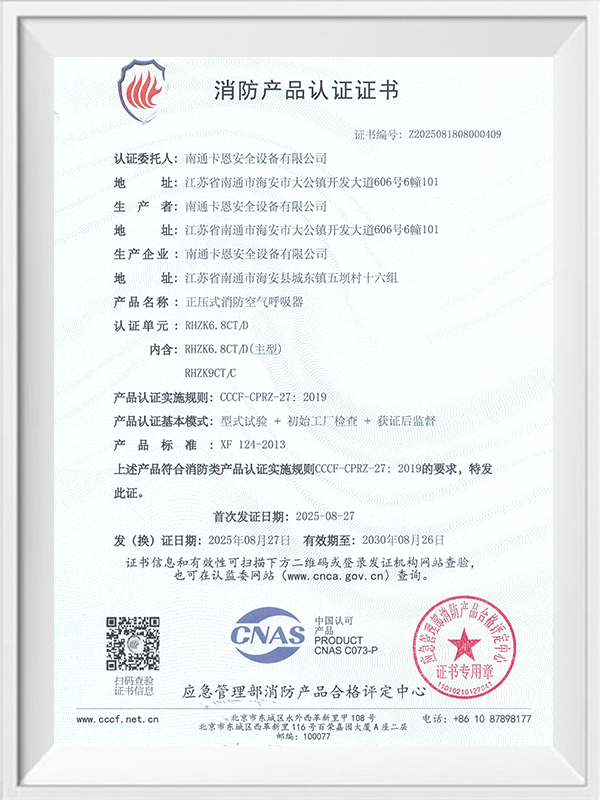
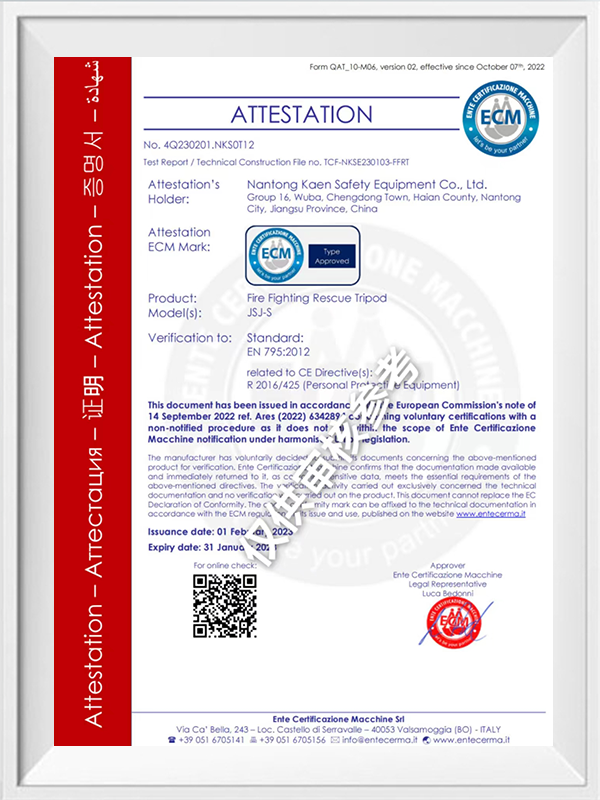
Covering a floor area of 5,000 square meters, our company is equipped with modern and advanced production equipment and a team of professional management personnel. We have obtained the ISO9001 International Quality Management System Certification, and our products have passed the CE, CCCF, and other relevant certifications. Endowed with strong technical strength, we now have 36 technical personnel, including 5 senior engineers and 8 engineers. Our robust technical capabilities provide a solid guarantee for product after-sales services. However, the existing safety product service sector is still far from fully addressing people's demands for fire protection, safety,y and occupational health in work and daily life.
As one of the leading manufacturers in the fire protection industry, Nantong Kaen Safety Equipment Co., Ltd. is a Wholesale Accessories for Air Breathing Apparatus Supplier and Accessories for Air Breathing Apparatus Factory, specializes in the R&D, production and sales of a full range of products, including air breathing apparatus series, fire helmet series, fall protection series (rescue tripods, safety ropes), hydraulic breaking and dismantling tool sets, personal protective equipment and other special protection equipment and facilities.
Our products are widely applied in the fire protection, metallurgy, chemical industry, military, police, and other public safety sectors. We provide customers with 24/7 uninterrupted services and always adhere to the three core principles: the most favorable price, superior quality,y and excellent service.
We are dedicated to providing first-class fire safety equipment and high-quality after-sales services for customers at home and abroad, and we look forward to cooperating with people from all walks of life.
We know we must go all out!
Kaen is your safety guardian, and Kaen will be with you forever!
A worker at the bottom of a manhole collapses. The entry team has a tripod, a winch, and a full-body harness. But if that harness has only a back D-ring, the retrieval line can lift the worker at an ...
A paint shop supervisor we worked with used to order disposable masks by the case. Then the primer changed to a solvent based product, odour breakthrough became a daily complaint, and the real proble...
A supervisor pulls a glove off at the end of a shift and finds a small puncture near the base of the thumb. The glove carried an ANSI puncture level 4 marking. The wire still went through. Nothing pr...
A technician on a metal finishing line pulls on a thin nitrile glove that shrugs off the degreasing tank and splits on the first sharp flange. On the next shift a glass handler wears an aramid cut gl...
A maintenance technician walks along a 14-meter loading platform edge, clipping a lanyard to a steel cable overhead. The cable runs between two anchor points and passes through intermediate brackets....
Accessories for Air Breathing Apparatus Industry knowledge
Why Accessories Matter as Much as the Apparatus Itself
Reliable Accessories for Air Breathing Apparatus are what turn a breathing system from a basic air source into a complete, field-ready safety solution. Components such as face masks, harness assemblies, pressure gauges, hose couplings, and cylinder brackets each play a specific role in how safely and effectively a wearer can operate in a hazardous environment. A weak link in any one of these accessories, such as a poorly sealing mask or a worn harness buckle, can compromise the performance of an otherwise well-built breathing apparatus, which is why accessory quality deserves the same scrutiny as the core unit.
The direct takeaway for procurement and safety teams is that accessories should be evaluated on measurable factors: seal integrity, mechanical durability, ease of inspection, and compatibility with the specific apparatus model in use. This article walks through comparative performance data, wear trends, and practical selection guidance to clarify how to build a dependable accessory package around a breathing apparatus.
Core Performance Metrics Across Accessory Categories
When evaluating accessories for air breathing apparatus, five metrics consistently matter most: seal integrity, mechanical durability, adjustment ease, weight contribution, and inspection simplicity. The horizontal bar chart below scores four common accessory categories against these metrics on a 0-100 index built from typical field performance ranges. Face masks score highest on seal integrity, since this is their primary function, while harness assemblies score highest on mechanical durability, reflecting their role in supporting the full weight of a cylinder under physical exertion. Pressure gauges stand out for inspection simplicity, since their readings can be verified at a glance before every entry.
This index-based comparison shows that no single accessory dominates every metric, which is why a complete accessory package needs to be assembled with attention to how each component supports the others. A strong face mask seal paired with a weak harness, for example, still leaves the wearer exposed to fatigue and instability during extended tasks.
Seal Integrity Behavior Across Repeated Use Cycles
Face mask seal integrity is one of the most safety-critical accessory metrics, since even a small leak can compromise protection in a hazardous atmosphere. The line chart below tracks measured leak rate as a percentage across five stages of a repeated donning and doffing cycle test, from an early 500 cycles up to 5,000 cycles. A gradual, controlled increase in leak rate is expected as the silicone or rubber sealing surface experiences normal wear, but the trend should remain smooth rather than jumping sharply at any stage. This kind of longitudinal data helps safety officers plan mask replacement schedules proactively rather than waiting for a failed fit test to trigger a swap.
Leak rate rises from roughly 0.4% at 500 cycles to around 1.8% at 5,000 cycles, a gradual pattern that stays within typical fit-test tolerances for most of that range but signals that inspection frequency should increase as the mask approaches the higher end of its service life. This kind of predictable wear curve is exactly why accessories for air breathing apparatus benefit from scheduled inspection rather than relying solely on visual checks before each use.
Where Accessory Categories Are Used Most
The demand for different accessory types varies depending on how a breathing apparatus is deployed across an organization. The vertical bar chart below shows a representative breakdown of accessory replacement and maintenance activity across common categories, based on aggregated field usage patterns. Face masks and seals lead the distribution due to their direct contact with the wearer, followed by harness and strap assemblies, hose and coupling components, and gauge or alarm modules.
Face masks and seals account for roughly 34% of typical maintenance activity, which reflects both the frequency of direct wearer contact and the safety-critical nature of a proper seal. Harness assemblies follow closely, since repeated adjustment and load-bearing use gradually wears buckles, straps, and stitching over time.
Comparing Accessory Types Across Four Design Dimensions
A radar chart is useful for comparing accessory categories across multiple dimensions simultaneously rather than reducing the comparison to a single score. The chart below plots a face mask assembly against a harness assembly across seal or fit quality, mechanical load capacity, ease of inspection, and expected service life. The face mask extends further on fit quality and ease of inspection, since it is checked before every use, while the harness extends further on load capacity and service life, reflecting its role in supporting cylinder weight over extended periods. This kind of comparison helps safety teams prioritize inspection routines according to each accessory's actual risk profile.
Neither shape covers every dimension, reinforcing why a complete set of accessories for air breathing apparatus should be inspected and maintained according to each component's own risk profile rather than a single uniform schedule. Safety programs that treat masks and harnesses with the same inspection frequency often either over-inspect low-risk items or under-inspect components that wear faster under real-world conditions.
Practical Selection and Inspection Guidance
Building a dependable accessory package starts with matching each component to the apparatus model it will support and the conditions it will face in the field. The table below summarizes practical guidance across common accessory categories.
Accessory Selection Reference
Table 1: Practical guidance for selecting accessories for air breathing apparatus
Accessory
Primary Function
Inspection Priority
Face Mask
Airtight seal to the wearer
Before every use
Harness Assembly
Secures cylinder to wearer
Scheduled periodic check
Pressure Gauge
Displays remaining air supply
Before every use
Hose Coupling
Connects supply line to mask
Scheduled periodic check
Before placing an apparatus into active service, a few additional checks help confirm accessory readiness:
Confirm the face mask forms a complete seal during a fit test before each deployment.
Inspect harness straps and buckles for fraying, cracking, or reduced adjustment tension.
Verify pressure gauge readings against a known reference before relying on it in the field.
Check hose couplings for secure attachment and absence of cracks or brittleness.
Confirm all accessories are compatible with the specific apparatus model before combining components from different sources.
The predictable wear curves referenced throughout this article depend on consistent manufacturing practices across every accessory produced. Sealing material formulation, webbing tensile strength, and gauge calibration accuracy all contribute to dependable behavior once accessories for air breathing apparatus are deployed in active field conditions. Automated production and in-process testing help minimize unit-to-unit variation, which matters most in high-stakes situations where a compromised accessory could affect the entire safety chain of the apparatus it supports.
Standard quality checkpoints such as leak testing, tensile strength verification, and gauge calibration checks support the reliability trends discussed earlier in this article. For safety officers sourcing accessories at scale, asking about a supplier's process controls is often just as informative as reviewing published specifications alone.
About Nantong Kaen Safety Equipment Co., Ltd.
Nantong Kaen Safety Equipment Co., Ltd. is a professional enterprise engaged in the production and sales of fire safety protection equipment, including accessories for air breathing apparatus used to support face masks, harnesses, hoses, and gauge assemblies in field conditions. The company is located in Haian, a renowned county in Jiangsu Province, and is situated within the National Economic Development Zone of Haian, Jiangsu, offering convenient transportation and well-developed logistics support for both domestic and international customers.
Drawing on its location within a well-connected industrial zone, the company focuses on producing reliable safety equipment while maintaining efficient logistics that support timely delivery. This combination of manufacturing focus and logistical positioning allows Nantong Kaen Safety Equipment Co., Ltd. to serve fire departments, rescue teams, and industrial safety programs seeking dependable accessories for their breathing apparatus systems.
Frequently Asked Questions
Q1: Why do accessories matter as much as the breathing apparatus itself?
A1: A weak accessory, such as a poorly sealing mask or a worn harness, can compromise the entire safety chain even if the core apparatus is functioning correctly, since these components directly affect fit, stability, and air delivery.
Q2: How often should a face mask seal be checked?
A2: A fit test should be performed before every deployment, since seal integrity is safety-critical and can degrade gradually with repeated donning and doffing cycles.
Q3: What signs indicate a harness assembly needs replacement?
A3: Fraying webbing, cracked buckles, and reduced adjustment tension are common indicators that a harness assembly should be inspected more closely or replaced.
Q4: Can accessories from different sources be combined on the same apparatus?
A4: Compatibility should always be confirmed first, since mismatched components can affect seal integrity, coupling fit, or overall system reliability.
Q5: What manufacturing factors most affect accessory reliability?
A5: Sealing material formulation, webbing tensile strength, and gauge calibration accuracy are key factors, supported by process checks such as leak testing and calibration verification during production.


 English
 Español
 中文简体
中文简体