
 English
 Español
 中文简体
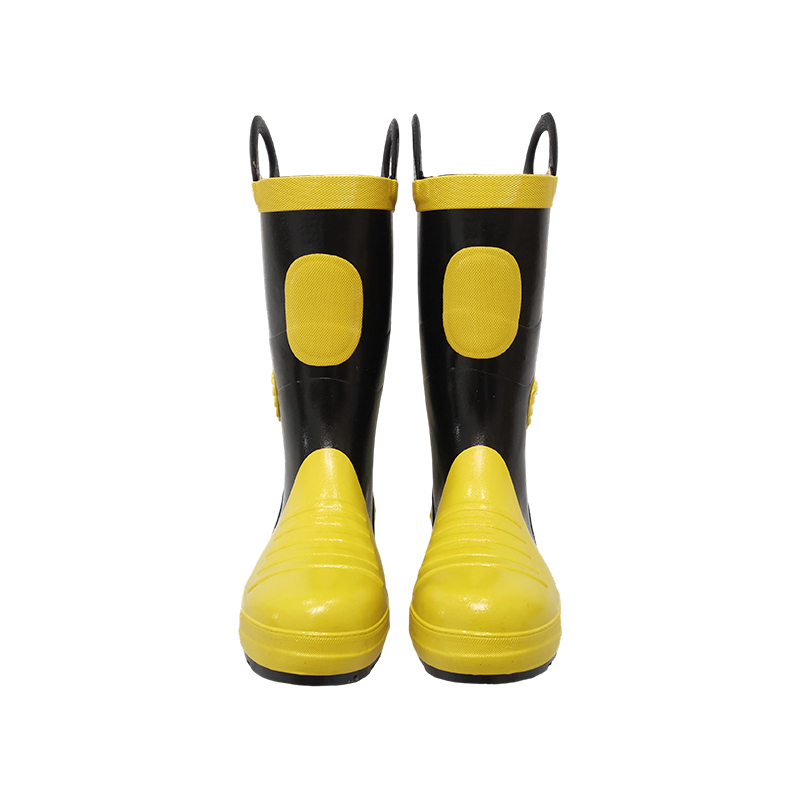
中文简体Description: The fire boots are made up of 2 parts, the shoe and the boot upper. Black colour with yellow lines. Multi-layers for the whole body. Smash-proof steel toes of the fire boots have inside &...
See Details
2026-10-02
Content
A supervisor pulls a glove off at the end of a shift and finds a small puncture near the base of the thumb. The glove carried an ANSI puncture level 4 marking. The wire still went through. Nothing printed on the label was wrong, because the label answered a question that had nothing to do with the injury.
ANSI/ISEA 105-2016 publishes two separate puncture scales for protective gloves. One uses a blunt steel probe and rates materials from level 1 to level 5. The other uses a 25 gauge hypodermic needle and also rates level 1 to level 5, but across a far lower force range. A level 4 on the probe scale says nothing about needle resistance, and a glove that stops a splintered pallet edge can be almost transparent to a fine hollow needle. The chart is a set of force thresholds, not a ranking of overall protection.
What follows is a plain read of both scales, the force values behind each level, the gap between the American and European puncture tests, and the checks that keep a purchase order from turning into a false sense of safety.
The probe method follows ASTM F1342. A specimen is clamped in a frame, a standardized blunt probe is driven into the material at a controlled rate, and the instrument records the peak force in newtons at the moment the probe passes through. The output is a force value, not a pass or fail judgement. ANSI/ISEA 105-2016 then groups those force values into five bands.
Because the test measures force, the bands are not evenly spaced in protective value. Level 1 opens at 10 N and level 5 begins at 150 N, so the top band starts fifteen times higher than the bottom band. Materials below 10 N are not rated at all, which is common for thin coated knit liners that were never designed to stop a point.
| Probe level | Force range in newtons | Approximate force in pound-force |
|---|---|---|
| Level 1 | 10 N to 19 N | 2.2 lbf to 4.3 lbf |
| Level 2 | 20 N to 49 N | 4.5 lbf to 11 lbf |
| Level 3 | 50 N to 99 N | 11 lbf to 22 lbf |
| Level 4 | 100 N to 149 N | 22 lbf to 33 lbf |
| Level 5 | 150 N and above | 34 lbf and above |
Older warehouse stock may still show a level 0. That marking comes from the previous edition of the standard, which included a band below 10 N. The 2016 edition dropped it and starts at level 1, so a level 0 label on a shelf is a sign of aged inventory rather than a lower grade of the current scale.
One more detail matters during selection. The rating is assigned to the finished glove material, not to the yarn that went into it. A coating, a seam or a reinforced patch can shift the result in either direction, so the number in a catalogue should always be traceable to a test report on the article being sold.
Fine hollow needles do not behave like blunt probes. The tip concentrates load on a very small area, so the force required to push through a material can be a small fraction of the force measured on the probe. ANSI/ISEA 105-2016 therefore added a second scale built on ASTM F2878, which uses a 25 gauge needle with an outer diameter of about 0.5 mm.
| Needle level | Force range in newtons |
|---|---|
| Level 1 | 2 N to 4 N |
| Level 2 | 5 N to 9 N |
| Level 3 | 10 N to 19 N |
| Level 4 | 20 N to 29 N |
| Level 5 | 30 N and above |
The gap between the two tables is easy to underestimate. Needle level 3 covers 10 N to 19 N, which is exactly the same force window as probe level 1. When a supplier says the material is level 4, the first question back should be level 4 on which test. In healthcare, laboratory, sharps handling and waste sorting work the needle scale is the one that matters most, and quoting a probe number in its place is a serious specification error rather than a rounding difference.
Needle results are also tied to the needle itself. A different gauge, a different sharpness or a lubricated coating changes the force required, so needle levels should not be extrapolated to other sharp objects. The test defines one needle and one method, and the rating only travels that far.
The right level depends on the shape of the object, the force it carries and how long the hand is exposed to it. Practical starting points look like this.
Two other properties are frequently confused with puncture. Cut resistance uses a different test and a different scale, with ANSI/ISEA 105 cut levels running from A1 to A9 measured in grams of load. Abrasion resistance is a third test again. A glove can score well on cut and still fail quickly against a needle, because a sliding blade and a stationary point place very different stresses on the material.
European glove markings use EN 388, which reports puncture resistance over four levels with its own probe geometry and clamping arrangement. The force ranges overlap with the American bands, but the boundaries sit in different places, so identical force values land on different levels.
| ANSI/ISEA 105 probe level | Force range | EN 388 puncture level for the same force |
|---|---|---|
| Level 1 | 10 N to 19 N | Below the EN scale |
| Level 2 | 20 N to 49 N | Level 1 |
| Level 3 | 50 N to 99 N | Level 1 up to 59 N, then level 2 |
| Level 4 | 100 N to 149 N | Level 3 |
| Level 5 | 150 N and above | Level 4 |
The practical lesson is to compare newtons, not levels. A glove tested at 70 N is ANSI probe level 3 and EN 388 level 2 at the same time, so a specification written as level 3 for both regions will not describe the same material. Ask for the test report and read three things in it: the force value, the test method reference and the edition of the standard behind the number.
The last check is where a mixed safety programme usually pays off. Teams that buy hand protection for a rescue or industrial site often need head, respiratory, fall arrest and water rescue items from the same source, with paperwork that survives an audit. Manufacturers working across those categories can consolidate both the order and the documentation.
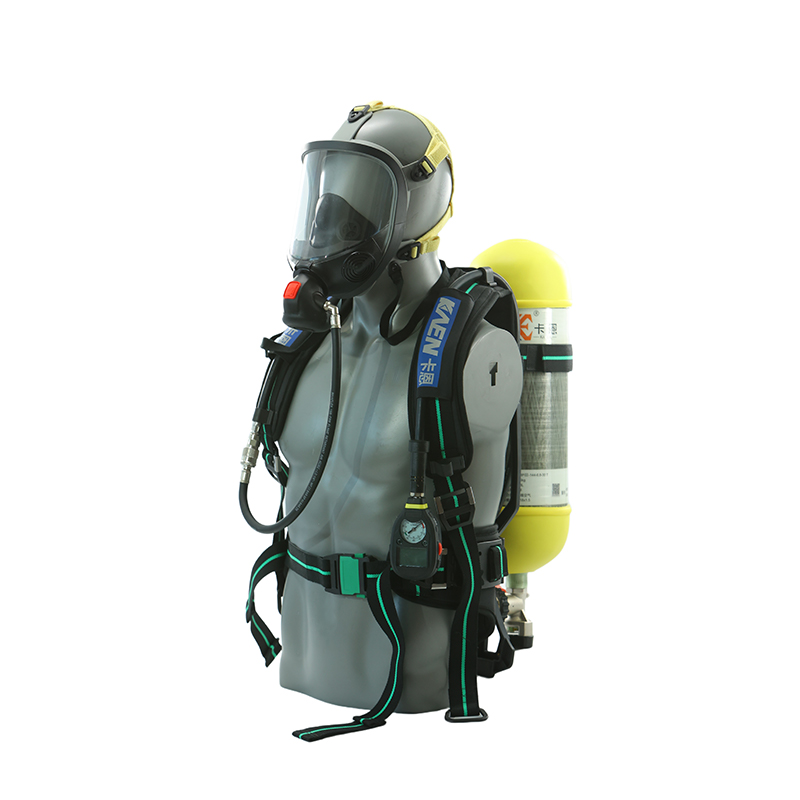 Custom Emergency Rescue and Personal Protective Equipment SupplierThis manufacturer supplies respiratory, fall protection, fire helmet, water rescue, and general PPE lines, with stated ISO 9001 certification and CE/CCCF markings for consolidated safety orders and documentation.View Product →
A manufacturer operating from a 5,000 square metre plant in the Hai'an National Economic Development Zone builds respiratory, fall protection, fire helmet, water rescue and general personal protective equipment lines, and states ISO 9001 certification along with CE and CCCF markings on its products. Buyers who want to check the background before sending a specification can review the company history on the about page, then send dimensions, quantities and level requirements through the contact page for a documented quotation rather than an informal number.
Read the chart as two charts. Probe levels from 1 to 5 describe resistance to blunt points. Needle levels from 1 to 5 describe resistance to a fine hollow needle, and the two force ranges barely touch. Match the scale to the hazard in front of you, ask for the newtons behind the level, and confirm the rating belongs to the finished glove in the box. That is enough to stop a level 4 label from promising more than the material can deliver.
Description: The fire boots are made up of 2 parts, the shoe and the boot upper. Black colour with yellow lines. Multi-layers for the whole body. Smash-proof steel toes of the fire boots have inside &...
See Details
For any questions and feedback from customers, we will reply patiently and meticulously.


WhatsApp: 8618262215597
PHONE : +86-15370678666
EMAIL : zhouli@ntkaen.com
TEL: +86-513-88762099
Nantong Kaen Safety Equipment Co., Ltd. All Rights Reserved. ALL RESERVED. OEM Rescue Equipment Manufacturer Fire Protection Equipment Factory
