
 English
 Español
 中文简体
中文简体The HUD is mounted at the front of the mask’s dual lenses, providing a clear, at-a-glance view of cylinder pressure. The display uses color indicators to show the cylinder status: Green: Pressure abo...
See Details
2026-09-11
Content
Respiratory protective equipment (RPE) is a specific subcategory of personal protective equipment (PPE) that protects the airways from inhaling contaminated air, while PPE is the broader umbrella term covering any equipment worn to protect a worker from a range of hazards, including the eyes, skin, hearing, and head. In short, all respiratory protective equipment is PPE, but not all PPE is respiratory protective equipment. Gloves, safety glasses, hard hats, and hearing protection are all classified as PPE, yet none of them address airborne hazards the way a respirator or air-supplying device does. According to the U.S. Occupational Safety and Health Administration, RPE is required specifically when engineering and administrative controls cannot reduce airborne contaminant exposure to a safe level, making it the last line of defense in the hierarchy of controls.
Personal protective equipment is generally grouped by the body part or hazard it protects against. Understanding this classification makes it easier to see where respiratory protection fits within the larger safety framework.
| PPE category | Example equipment | Hazard addressed |
| Head protection | Hard hats, bump caps | Falling objects, impact |
| Eye and face protection | Safety glasses, face shields | Flying debris, chemical splash |
| Hand protection | Cut-resistant gloves, chemical gloves | Cuts, abrasions, chemical contact |
| Hearing protection | Earplugs, earmuffs | Noise-induced hearing loss |
| Respiratory protection | N95 respirators, powered air-purifying respirators | Dust, fumes, gases, vapors, biological aerosols |
Respiratory hazards are unique because the consequences of exposure are often invisible and can occur immediately or develop silently over years. A cut from missing hand protection is visible right away, but inhaling asbestos fibers, silica dust, or toxic gas may show no symptoms until permanent lung damage or systemic poisoning has already occurred. This is why regulatory bodies apply a stricter, more technical compliance process to Respiratory protective equipment compared to other PPE categories.
Unlike gloves or safety glasses, tight-fitting respirators must pass a fit test before use. OSHA's Respiratory Protection Standard, 29 CFR 1910.134, requires annual fit testing for any worker using a tight-fitting respirator, along with a medical evaluation to confirm the person can physically tolerate wearing one.
Respirator selection depends on calculating the assigned protection factor needed for a given contaminant concentration relative to its permissible exposure limit. A half-mask air-purifying respirator typically carries an assigned protection factor of 10, while a full-face powered air-purifying respirator can reach an assigned protection factor of 1,000, according to OSHA guidance tables.
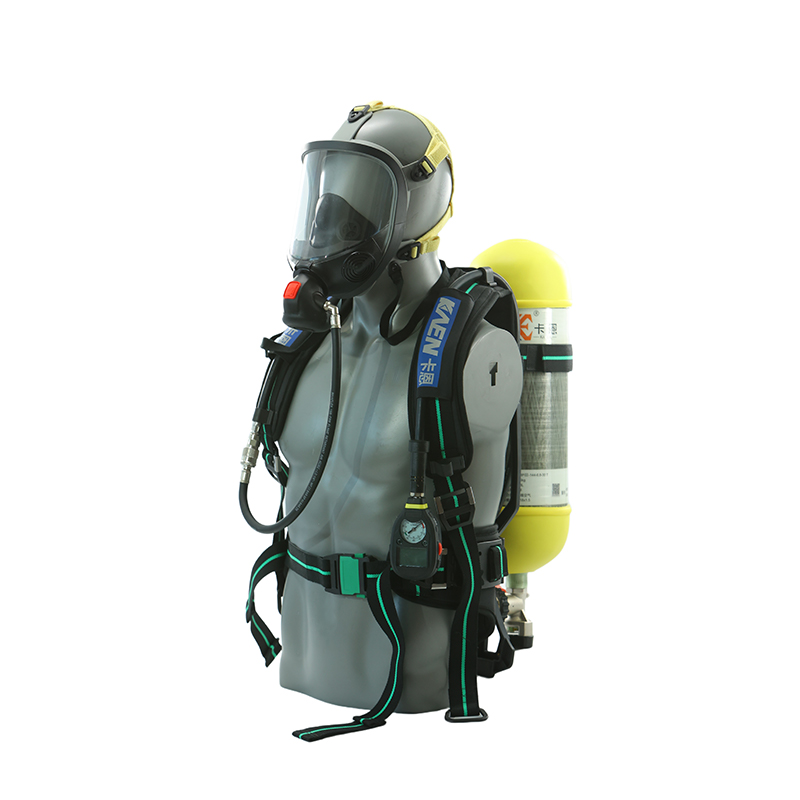
RPE is generally divided into two functional categories, and choosing the wrong one for the hazard is one of the most frequent compliance failures cited in workplace safety audits.
Because inhalation hazards carry higher long-term health risks, RPE is subject to certification standards that most other PPE categories do not require in the same way. In the United States, respirators must be certified by the National Institute for Occupational Safety and Health, while in the European Union, respiratory devices fall under EN 149 for filtering facepieces or EN 136 for full-face masks. General PPE like gloves or eyewear typically only needs to meet a single applicable ANSI or EN standard without the added layer of a government health agency certifying the filtering media itself.
On many job sites, workers wear multiple categories of PPE at once, and coordinating them properly matters. A tight-fitting respirator can interfere with the seal of safety glasses, and a hard hat brim may push against the straps of a full-face mask. Employers in industries such as mining, foundries, and chemical processing often standardize on a single supplier's ecosystem of PPE to make sure components are compatible. STG Safety offers a line of Respiratory protective equipment designed to integrate with standard head and eye protection, reducing the seal and pressure-point conflicts that commonly occur when mixing unrelated product lines.
General PPE such as gloves or safety glasses is usually inexpensive and replaced on a simple wear-and-tear schedule. RPE carries higher ongoing costs because filters and cartridges have a limited service life tied to contaminant concentration and usage time, not just calendar days. For example, organic vapor cartridges are commonly rated for 8 hours of continuous use under moderate exposure conditions before requiring replacement, according to manufacturer end-of-service-life indicators referenced in NIOSH guidance. Powered air-purifying respirators also require battery maintenance and periodic airflow testing, adding a layer of upkeep that most other PPE categories do not need.
Deciding what protection a task requires starts with a hazard assessment that identifies whether the risk is airborne, physical, or both. If dust, vapors, or gases are present, RPE becomes mandatory regardless of what other PPE is already in use, since no other equipment category can substitute for respiratory protection. For tasks involving only physical or mechanical hazards, standard PPE such as gloves and eyewear may be sufficient on their own. Reviewing a current safety data sheet and exposure monitoring results before selecting equipment ensures the right combination of PPE and RPE is matched to the actual hazard rather than assumed by habit.
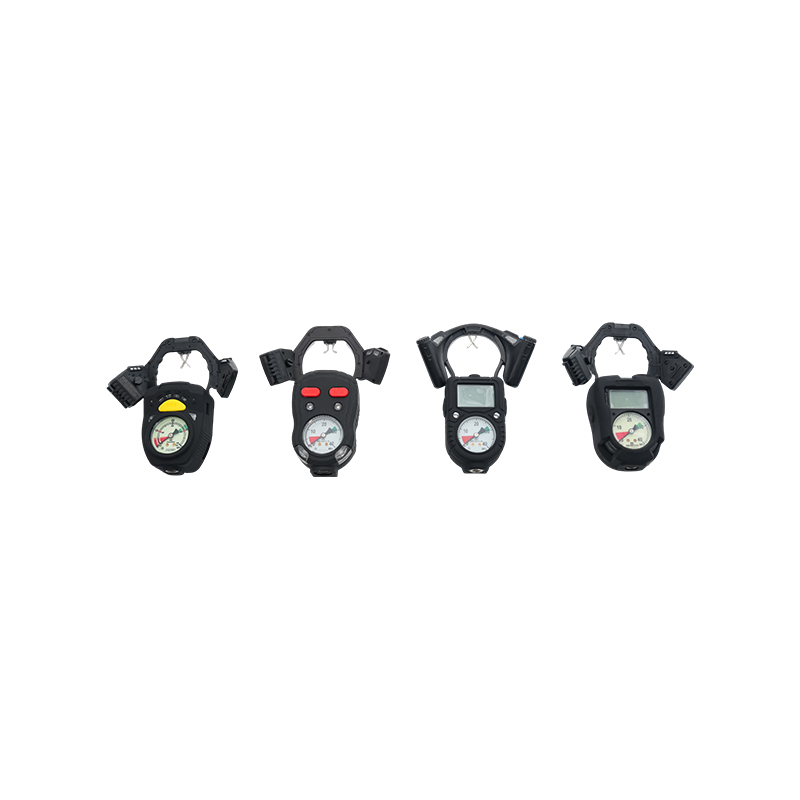
The HUD is mounted at the front of the mask’s dual lenses, providing a clear, at-a-glance view of cylinder pressure. The display uses color indicators to show the cylinder status: Green: Pressure abo...
See Details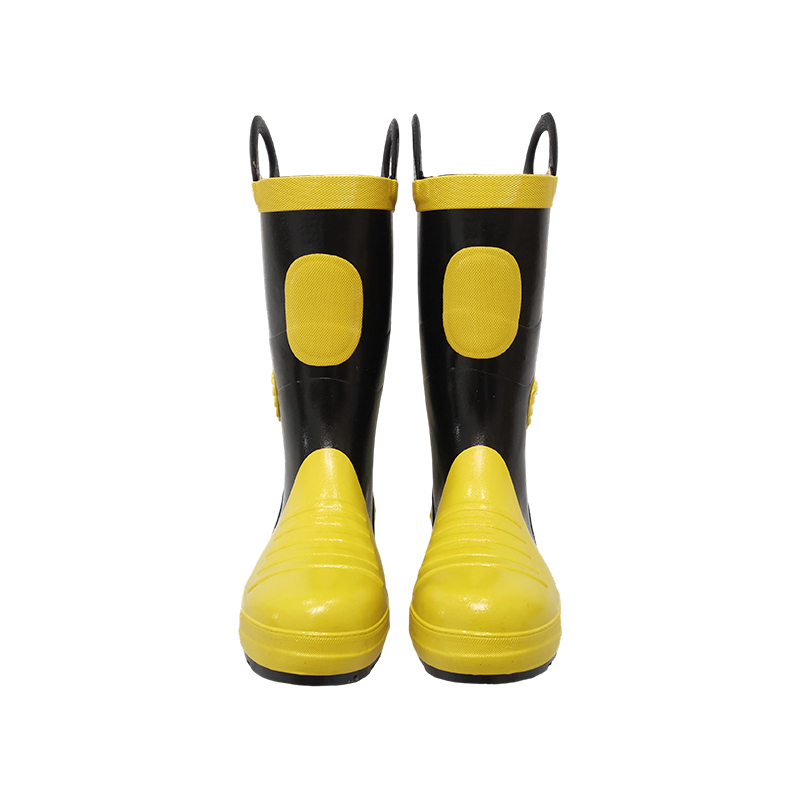
Description: The fire boots are made up of 2 parts, the shoe and the boot upper. Black colour with yellow lines. Multi-layers for the whole body. Smash-proof steel toes of the fire boots have inside &...
See Details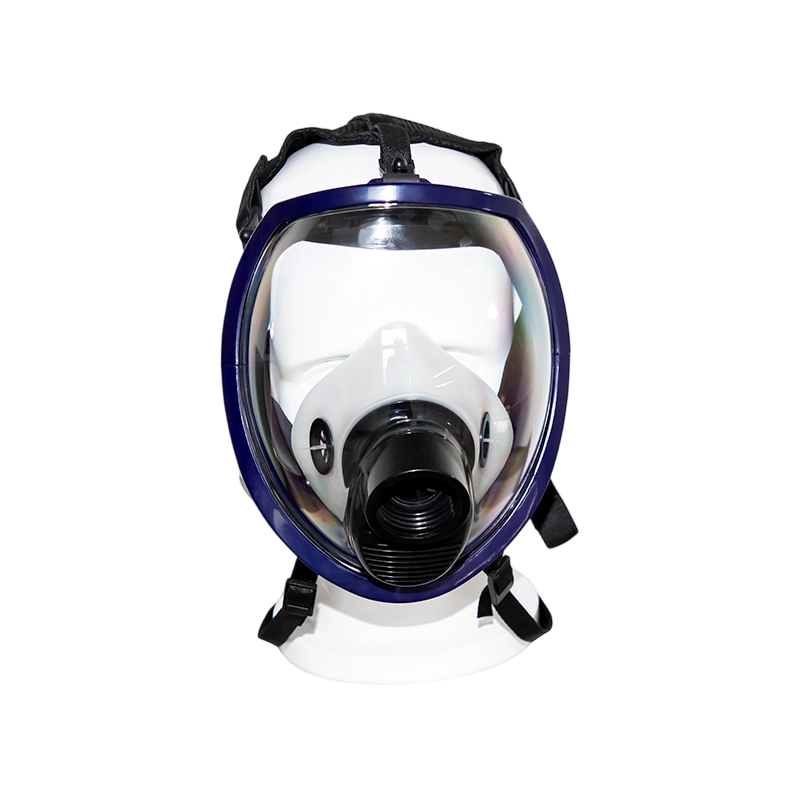
Comply with all performance requirements specified in GB 2890-2022 Respiratory Protection - Self-priming Filter Type Gas Masks. Provide complete and valid test reports issued by national authoritative...
See Details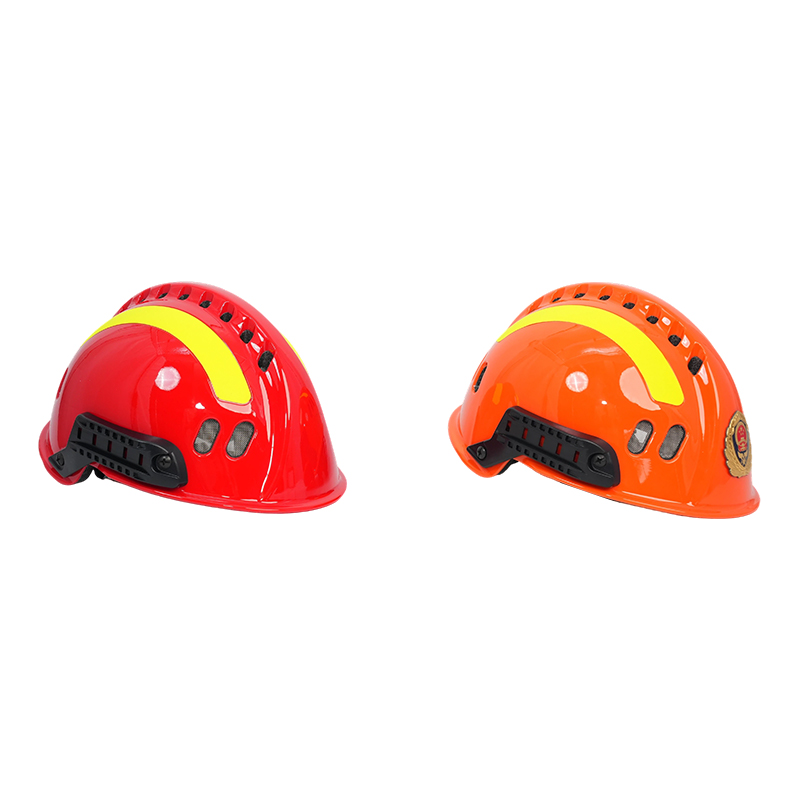
This High-Visibility Professional Water Rescue Helmet is specifically engineered for high-risk water rescue operations and work in complex environments, prioritizing both ultimate protective performan...
See Details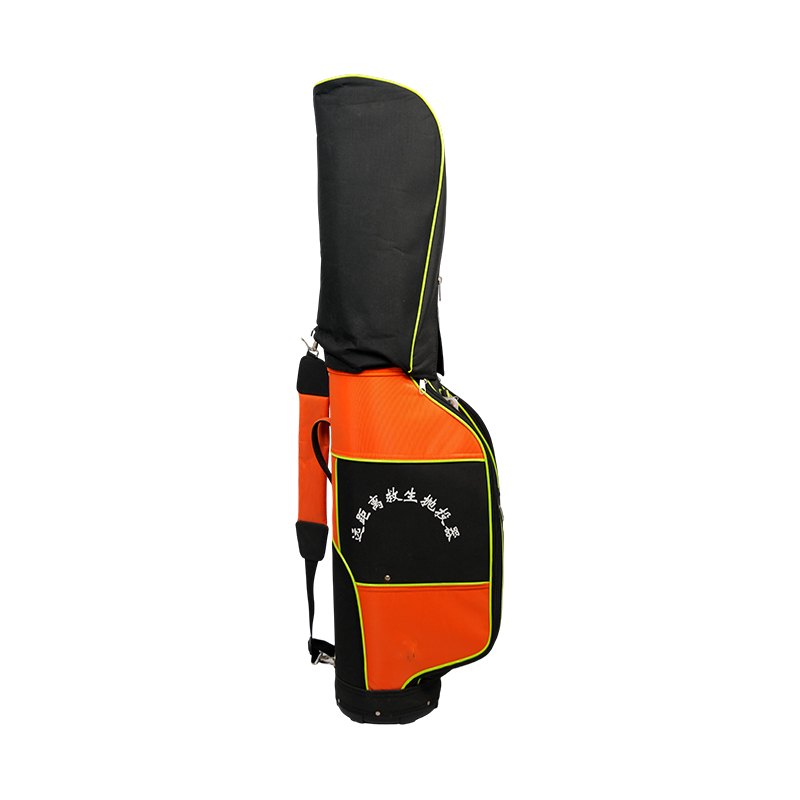
The PTQ8.5-Y350S250Q110 is a long-distance lifesaving throwing device that meets the GB/T 27906-2011 standard and has passed authoritative quality inspections. It offers three interchangeable throwing...
See Details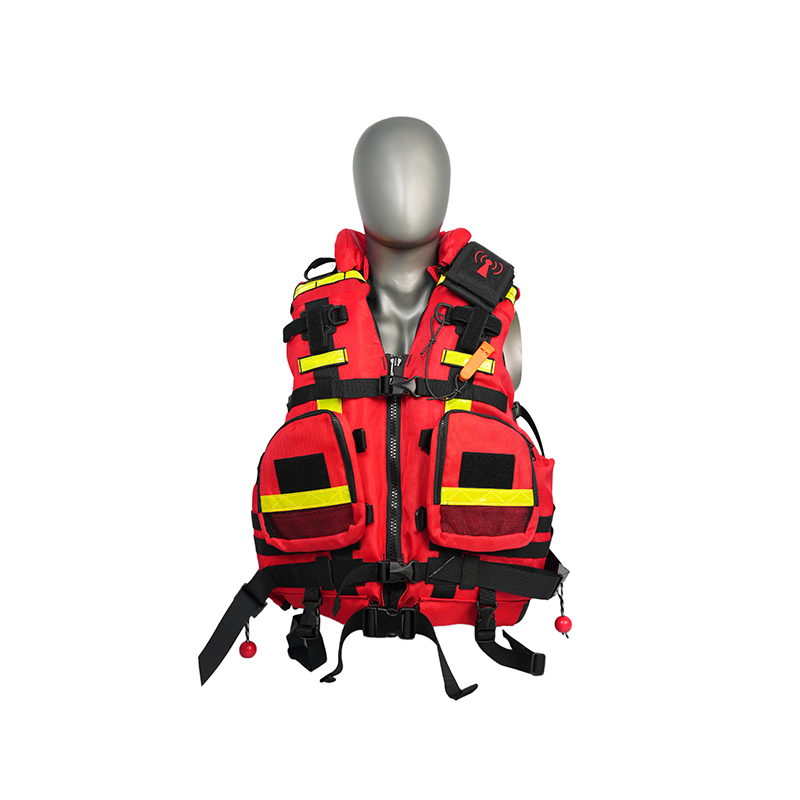
A life jacket is one of the essential life-saving appliances carried on board. Its primary function is to keep an individual’s face above the water to await rescue while providing thermal insulation t...
See Details
For any questions and feedback from customers, we will reply patiently and meticulously.


WhatsApp: 8618262215597
PHONE : +86-15370678666
EMAIL : zhouli@ntkaen.com
TEL: +86-513-88762099
Nantong Kaen Safety Equipment Co., Ltd. All Rights Reserved. ALL RESERVED. OEM Rescue Equipment Manufacturer Fire Protection Equipment Factory
