
 English
 Español
 中文简体
中文简体The full-face respirator (conical mask) is a filtering, full-Vision personal respiratory protective device. Compared to similar protective masks, its core advantage lies in its specially treated face ...
See Details
2026-08-25
Content
Yes, a properly fitted Full-face gas mask is highly effective at protecting the eyes, face, and respiratory system from toxic gases, vapors, and particulates, provided it is matched to the correct filter cartridge and the seal is verified before use. The full-face design covers a much larger area than a half-face respirator, which means it also protects the eyes from irritant gases such as tear gas or ammonia that would otherwise cause immediate injury even if breathing were protected. According to the National Institute for Occupational Safety and Health (NIOSH), full-face respirators fitted with P100 filters can achieve an assigned protection factor of up to 50, meaning the wearer's exposure to airborne contaminants can be reduced to roughly one-fiftieth of the ambient concentration. Effectiveness, however, depends entirely on choosing the right cartridge for the actual hazard and confirming the seal fits the wearer's face, since no mask design can compensate for the wrong filter or a poor fit.
A full-face gas mask works by forcing all inhaled air through a filter cartridge before it reaches the wearer, while the wide facepiece creates an airtight seal around the entire face rather than just the nose and mouth.
The single-piece lens covers the eyes as well as the airway, which is critical when the hazard includes irritant or corrosive gases that damage unprotected eyes on contact. This is a key advantage over half-face respirators, which leave the eyes exposed and require separate goggles that may not form a complete seal against the mask itself.
The filter cartridge is where the actual protection happens. Depending on the cartridge installed, a full-face mask can filter particulates, organic vapors, acid gases, ammonia, or a combination of these, but only within the concentration limits and service life specified by the cartridge manufacturer.
The assigned protection factor (APF) is the standard way to measure how much a respirator reduces a wearer's exposure compared to the surrounding air. OSHA publishes these factors in 29 CFR 1910.134 to help employers select equipment that matches the hazard level.
| Respirator Type | Assigned Protection Factor | Meaning |
| Half-face air-purifying respirator | 10 | Exposure reduced to one-tenth of ambient concentration |
| Full-face air-purifying respirator | 50 | Exposure reduced to one-fiftieth of ambient concentration |
| Full-face powered air-purifying respirator (PAPR) | 1000 | Exposure reduced to one-thousandth of ambient concentration |
| Full-face supplied-air respirator (pressure demand) | 1000 to 10000 | Exposure reduced substantially, depending on mode of operation |
These figures make clear why a full-face design offers roughly five times the protection factor of an equivalent half-face respirator under standard air-purifying conditions, purely because of the improved seal area and elimination of separate eye exposure.
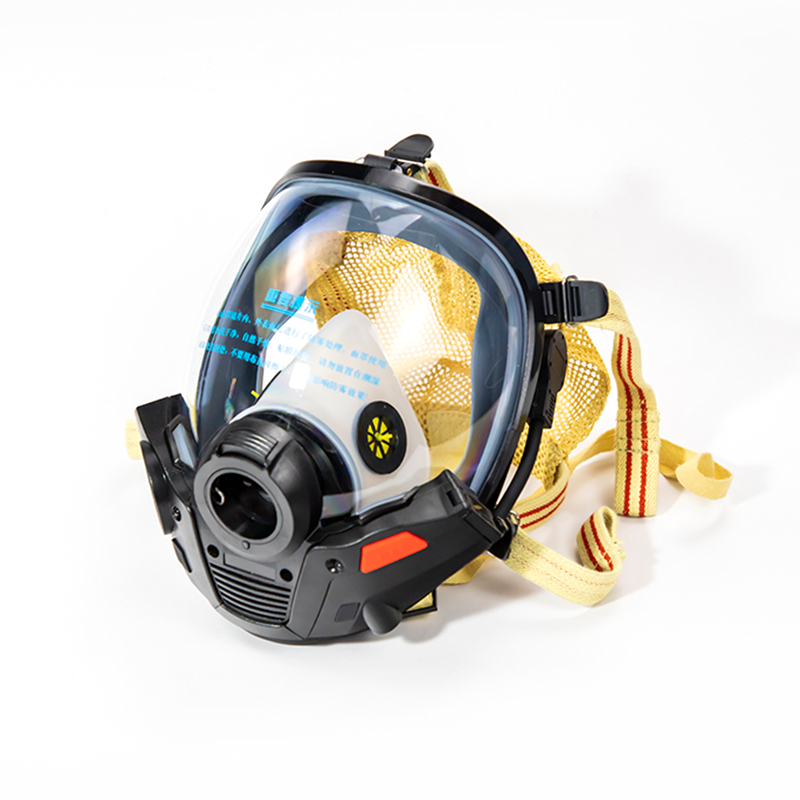
A full-face gas mask is only as effective as the cartridge installed on it. Selecting the wrong cartridge type is one of the most common and dangerous mistakes made in the field.
Our Full-face gas mask range is designed to accept a variety of interchangeable cartridges, allowing users to match the exact filter type to the hazard identified in their workplace risk assessment rather than relying on a single general-purpose filter for every situation.
No full-face gas mask, regardless of build quality, protects against every hazard. Understanding these limitations is essential to avoid a false sense of security.
| Limitation | Why It Matters |
| No protection in oxygen-deficient atmospheres | Air-purifying masks filter contaminants but do not supply oxygen, so they cannot be used below 19.5 percent oxygen |
| Cartridges have a limited service life | Continued use past saturation allows contaminants to pass through untreated |
| Facial hair breaks the seal | Even light stubble along the sealing line can allow unfiltered air to bypass the mask entirely |
| Cartridges are hazard-specific | A cartridge rated for organic vapors will not stop carbon monoxide or other gases outside its rating |
A full-face gas mask that has not been fit tested on the individual wearer cannot be assumed to provide its rated protection factor. NIOSH studies on respirator fit have consistently found that facial structure varies enough between individuals that a mask which seals well on one person may leak significantly on another.
A full-face gas mask degrades gradually with use, storage conditions, and exposure to chemicals, so a consistent maintenance routine is necessary to keep its protection factor intact.
Full-face gas masks are standard equipment across industries where both respiratory and eye protection are needed simultaneously. The World Health Organization has noted that chemical spill and industrial accident response frequently requires this combined level of protection, since irritant gases threaten the eyes as much as the lungs.
Across all of these applications, a Full-face gas mask delivers reliable protection only when paired with the correct cartridge, a verified fit, and a consistent maintenance routine, which together are what turn a well-designed mask into effective real-world protection.
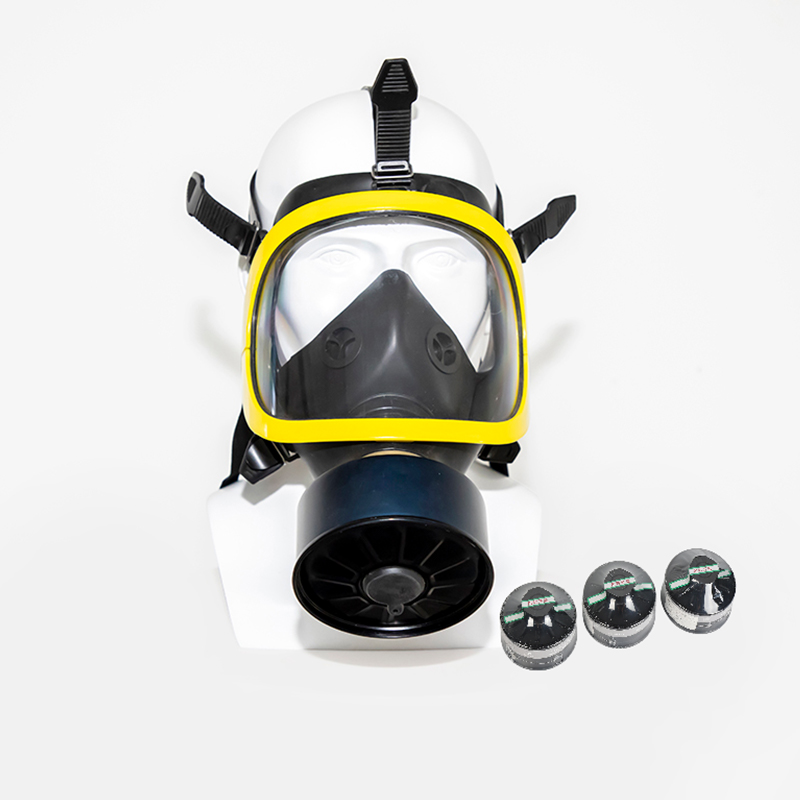
The full-face respirator (conical mask) is a filtering, full-Vision personal respiratory protective device. Compared to similar protective masks, its core advantage lies in its specially treated face ...
See Details
The KMQ-T positive-pressure firefighting air respirator communication mask and headset is a specialized piece of equipment that integrates respiratory protection and communication functions. Compared ...
See Details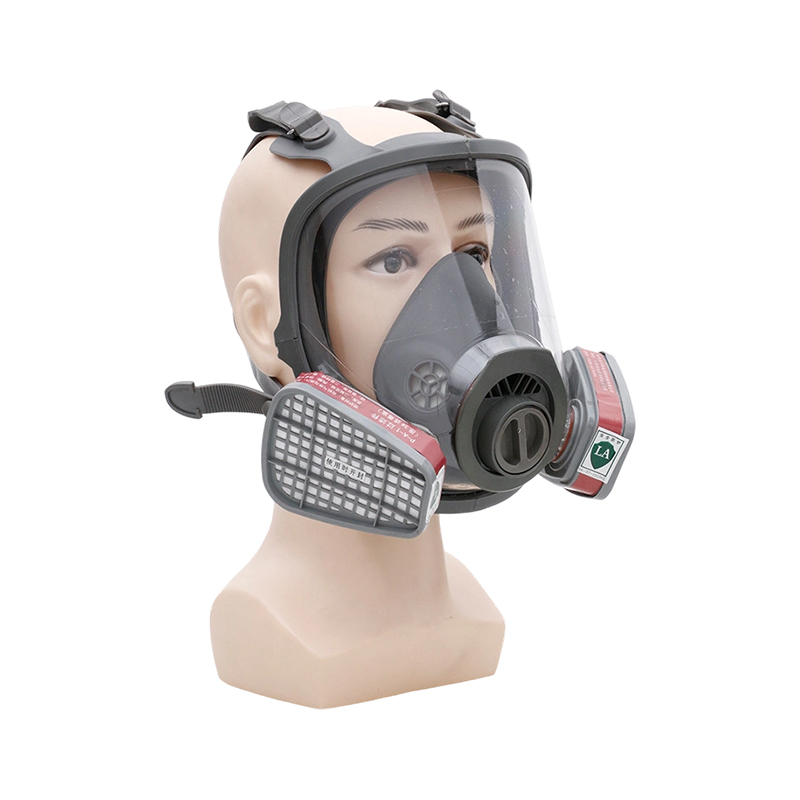
The KEM-6200 bayonet-style gas mask is made of high-quality rubber material, with its core function focused on gas protection. Compared to similar gas masks, it offers a combination of advantages, inc...
See Details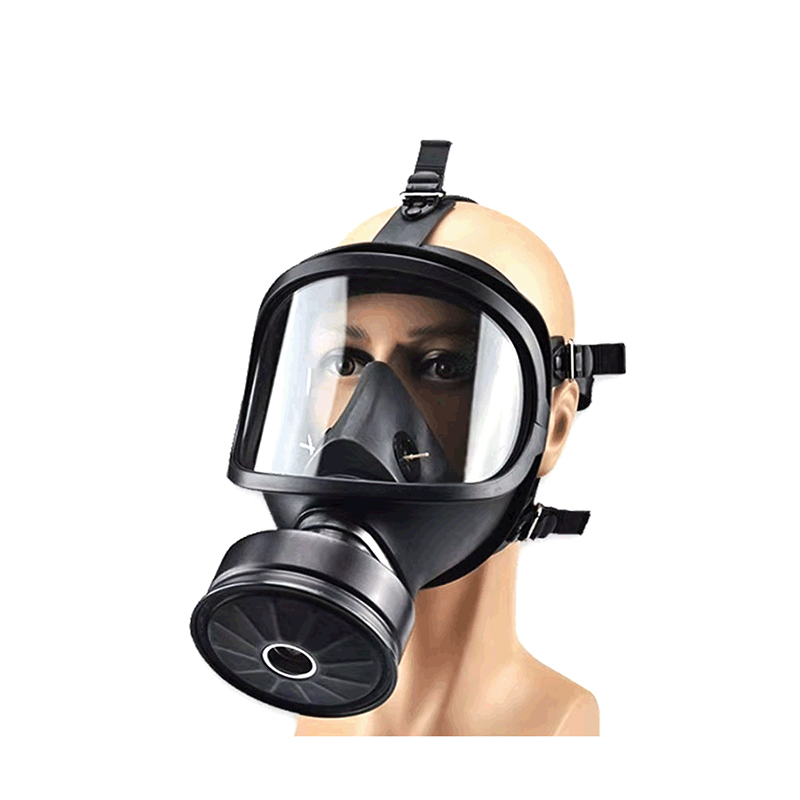
The MF14 gas mask is made of rubber material, differentiating itself from similar products with its superior strength and lightweight design. It also boasts core features such as smooth breathing and...
See Details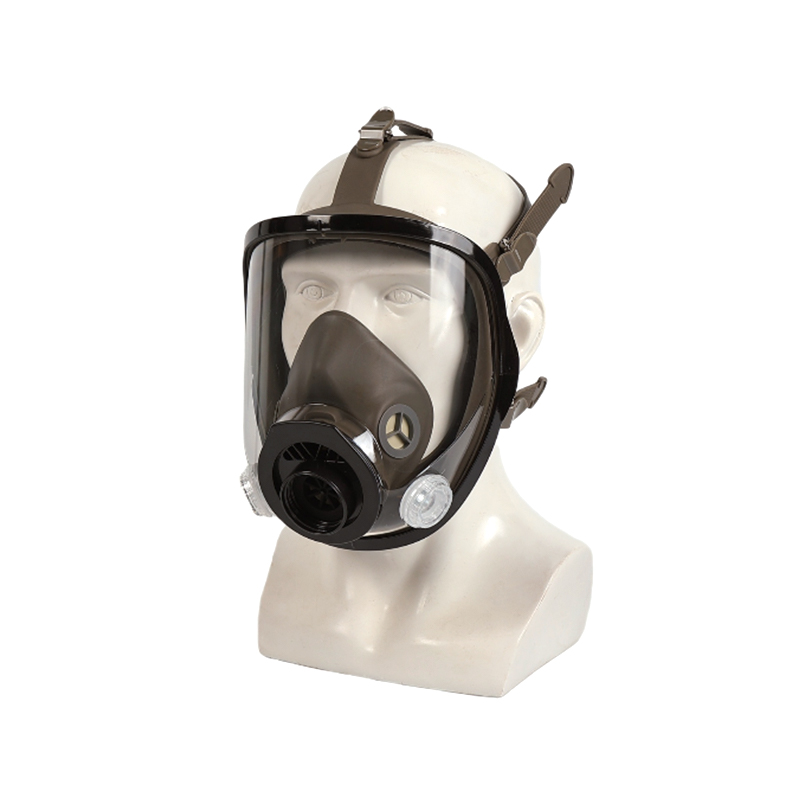
The KEM-6100 gas mask is made of rubber material, focusing on core gas protection functionality, and stands out among similar protective products with its differentiated features. Its strength meets t...
See Details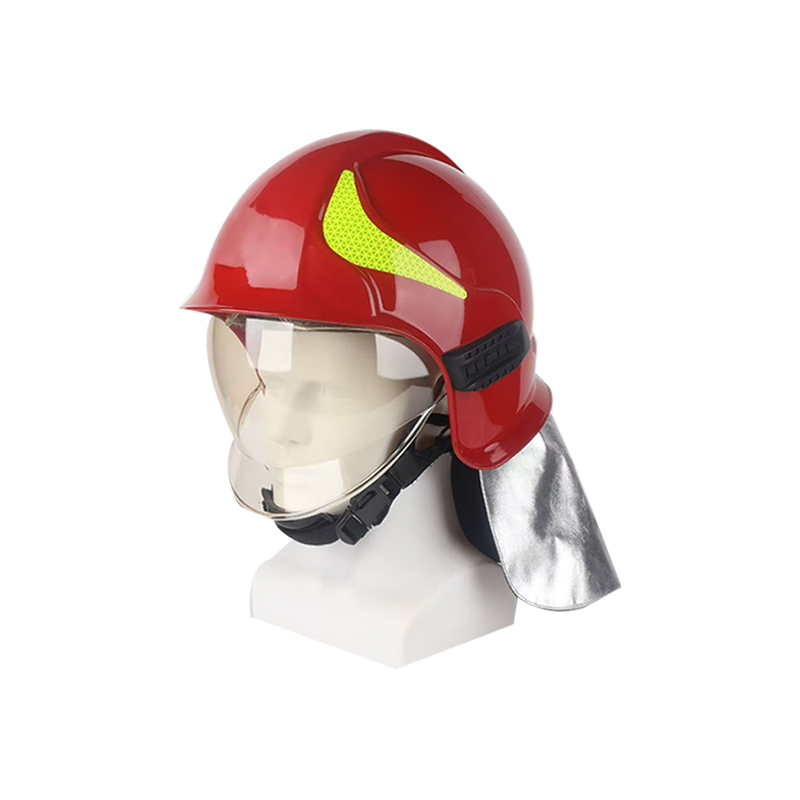
The Fire helmets are composed of a helmet shell, a mask, a cape, a buffer layer and other parts, with a Full Face-helmet design and Double Goggles styles.It has the properties of anti-sharp...
See Details
For any questions and feedback from customers, we will reply patiently and meticulously.


WhatsApp: 8618262215597
PHONE : +86-15370678666
EMAIL : zhouli@ntkaen.com
TEL: +86-513-88762099
Nantong Kaen Safety Equipment Co., Ltd. All Rights Reserved. ALL RESERVED. OEM Rescue Equipment Manufacturer Fire Protection Equipment Factory
