
 English
 Español
 中文简体
中文简体Introduction: The backplate frame supports and secures the cylinder and regulator. Weight is evenly distributed across the shoulders via adjustable shoulder and waist straps, ensuring a snug fit again...
See Details
2026-08-25
Content
Accessories for Air Breathing Apparatus are the supporting components that keep a self-contained breathing apparatus (SCBA) or supplied-air system functioning safely and reliably, including spare cylinders, face masks, harness assemblies, pressure gauges, hoses, communication modules, PASS alarms, and cleaning kits. In short, these accessories extend the service life of the main apparatus, allow rapid field repairs, and ensure the wearer always has a properly sealed, correctly pressurized air supply. The U.S. National Fire Protection Association (NFPA) notes in NFPA 1852 that SCBA units require regular accessory inspection and replacement to remain compliant, since a single worn gasket or cracked hose can compromise the entire breathing system. Choosing the right accessories, sourcing them from a consistent supplier, and maintaining them on a strict schedule is what actually determines whether an air breathing apparatus performs when it matters most.
Air breathing apparatus accessories cover a wide range of parts, from components that store and deliver air to those that protect the wearer's face and body. The table below breaks down the main categories and their function within the overall system.
| Accessory | Function | Typical Replacement Trigger |
| Spare air cylinders | Store compressed breathing air for backup or extended operations | Hydrostatic test expiry, usually every 5 years |
| Full-face mask assembly | Seals the face and delivers air directly to the airway | Visible cracks, hardened rubber seal, damaged lens |
| Harness and backplate | Carries the cylinder weight and secures the apparatus to the body | Frayed webbing, broken buckles, distorted backplate |
| Pressure gauge and regulator | Monitors remaining air supply and controls flow rate | Inaccurate readings during calibration check |
| Hoses and connectors | Transfer air between cylinder, regulator, and mask | Leaks detected during pressure decay test |
| Communication modules | Allow voice transmission through the sealed mask | Signal failure or physical damage to the unit |
| PASS alarm units | Sounds an alert if the wearer stops moving for a set period | Failed activation test or battery beyond service life |
| Cleaning and disinfection kits | Remove contaminants from masks and hoses between uses | Depleted solution or worn brush components |
An SCBA is only as reliable as its weakest accessory. The Occupational Safety and Health Administration (OSHA) requires under 29 CFR 1910.134 that all respiratory protection components, including accessories, be maintained according to manufacturer specifications and inspected before each use.
A face mask with a degraded rubber seal can allow contaminated air to bypass filtration entirely. Fit testing data referenced by NIOSH shows that even small gaps around the sealing surface can reduce the assigned protection factor of a full-face respirator by a significant margin, which is why replacement seals and lens kits are considered essential spare accessories rather than optional upgrades.
Spare cylinders must hold pressure accurately, since firefighters and industrial rescue teams depend on gauge readings to plan their remaining work time. The NFPA 1852 standard specifies periodic hydrostatic testing intervals for SCBA cylinders to confirm they can still safely hold rated pressure.
Regulators must deliver a steady flow of air even as cylinder pressure drops during use. A hose with internal wear can restrict airflow at the exact moment demand increases, such as during physical exertion in a fire attack, so routine flow testing on hoses and regulators catches this type of gradual degradation before it becomes a field failure.
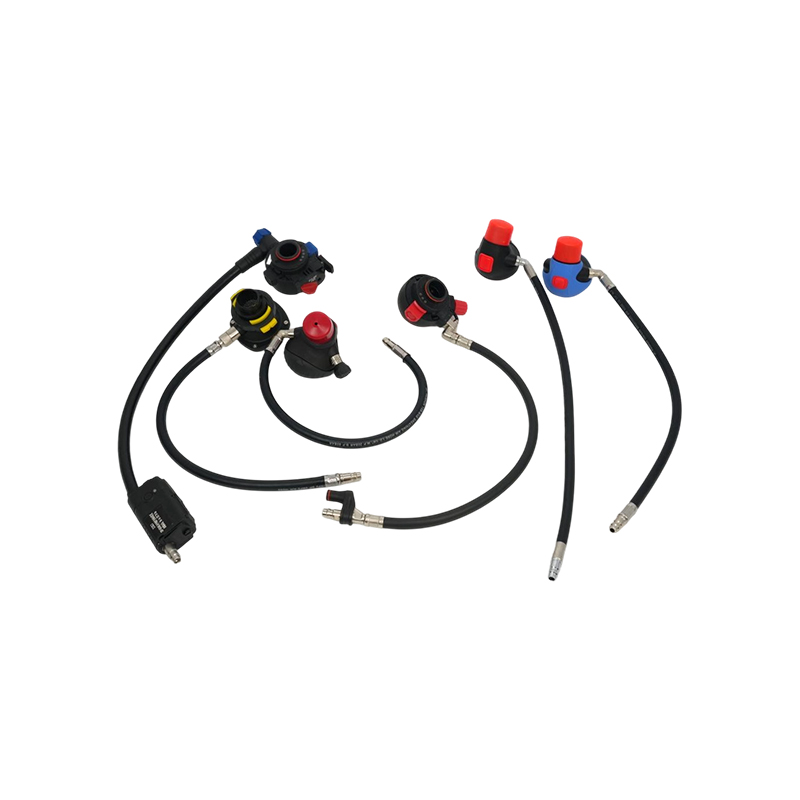
Selecting accessories starts with matching them to the specific make and model of the air breathing apparatus already in use, since mismatched threading, valve types, or mounting brackets can create leaks or fitting failures.
Our range of Accessories for Air Breathing Apparatus is manufactured to match standard cylinder valves, mask mounts, and harness fittings, giving fire departments, rescue teams, and industrial safety crews a dependable source of spare parts that fit correctly the first time and hold up under repeated field use in demanding conditions.
Accessories fail prematurely most often because inspection routines are skipped or rushed. The table below lists frequent mistakes reported in fire service maintenance audits and their consequences.
| Mistake | Consequence |
| Skipping the pressure decay test on hoses | Slow leaks go undetected until air runs out mid-task |
| Storing masks with straps fully tightened | Elastic and rubber components lose tension over time |
| Reusing a cylinder past its hydrostatic test date | Cylinder may be pulled from service or fail a safety check during an emergency response |
| Ignoring minor scratches on the mask lens | Reduced visibility can compound risk in low-light rescue conditions |
| Leaving PASS alarm batteries unchecked | Alarm may fail to trigger during a real down-firefighter emergency |
| Cleaning masks with harsh solvents | Rubber seals degrade faster and lens coatings can cloud prematurely |
A consistent maintenance schedule keeps every accessory ready for immediate use. Most fire and industrial safety programs follow a layered inspection cycle rather than relying on a single annual check.
Following this layered schedule means small issues, such as a slightly worn seal or a loose buckle, are caught during routine checks rather than during an actual emergency response, when there is no time to troubleshoot equipment problems.
Teams that respond to emergencies cannot afford downtime while waiting for a replacement part to arrive. A well-planned spare parts inventory keeps critical accessories on hand so a single failed component does not take an entire apparatus out of service.
Most fire departments and industrial safety teams keep a baseline stock of high-wear items, since these are the parts most likely to need replacement between scheduled maintenance cycles.
Logging the installation date and inspection history of each accessory allows a safety officer to anticipate replacements before failure rather than reacting after a defect is discovered in the field. A simple spreadsheet or dedicated maintenance software can track cylinder test dates, mask replacement cycles, and hose testing results across an entire fleet of apparatus.
One of the most overlooked risks in accessory sourcing is compatibility. Threading standards, mask mount systems, and cylinder valve types are not universal, and mixing incompatible parts across different apparatus generations can create a false sense of a secure fit.
Cylinder valves generally follow either a CGA (Compressed Gas Association) or DIN thread standard depending on the region and manufacturer. Ordering a cylinder with the wrong valve thread means it simply will not connect to the regulator, which is why confirming thread type before purchase saves both time and cost.
Apparatus models are often updated over several product generations, and not every accessory from an older model fits a newer backplate or harness system. Keeping a clear record of the exact model and generation in service helps prevent ordering parts that look similar but do not actually fit.
Even the highest quality accessories underperform when the people using them are not properly trained. NFPA 1500, the Standard on Fire Department Occupational Safety, Health, and Wellness Program, calls for ongoing training on the inspection, use, and care of all SCBA components, not just the main apparatus.
Reliable accessories are not a convenience item, they are a core safety requirement for any team operating in oxygen-deficient or toxic environments. The National Fire Protection Association estimates that fire departments across the United States service tens of thousands of SCBA units annually, with accessory replacement forming a large share of routine maintenance work orders.
Across all of these teams, having a dependable supply of Accessories for Air Breathing Apparatus on hand, rather than sourcing parts only after a failure, is what keeps response times fast, equipment downtime low, and confidence high among crews who depend on their gear in life-threatening situations.
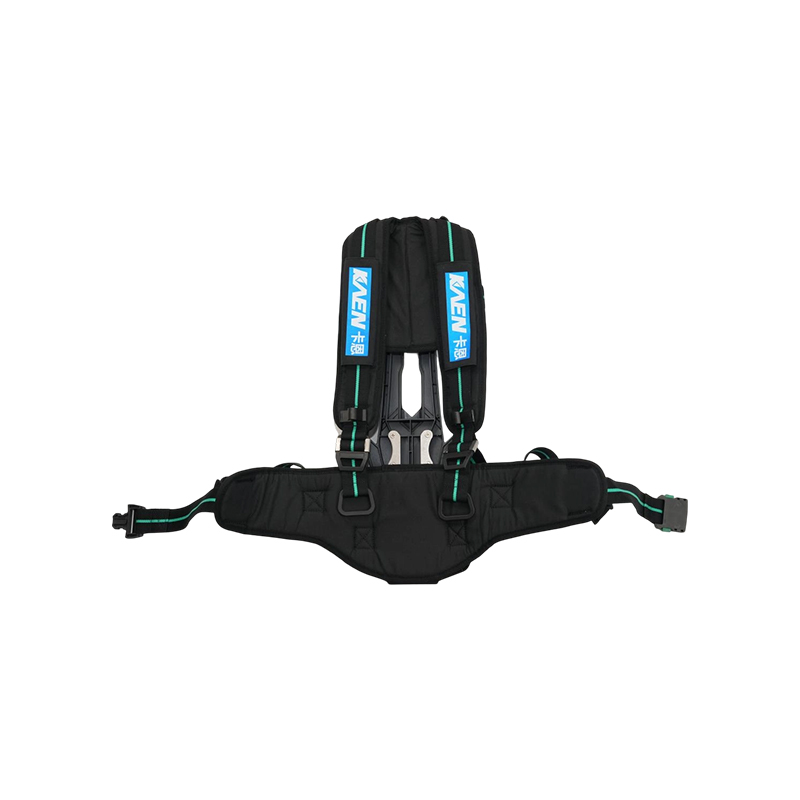
Introduction: The backplate frame supports and secures the cylinder and regulator. Weight is evenly distributed across the shoulders via adjustable shoulder and waist straps, ensuring a snug fit again...
See Details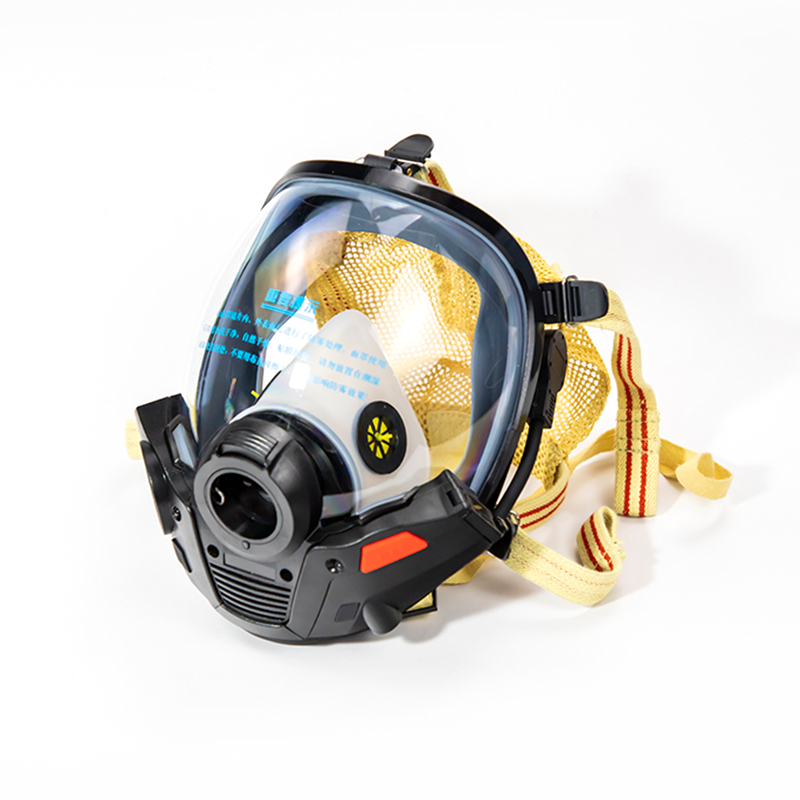
The KMQ-T positive-pressure firefighting air respirator communication mask and headset is a specialized piece of equipment that integrates respiratory protection and communication functions. Compared ...
See Details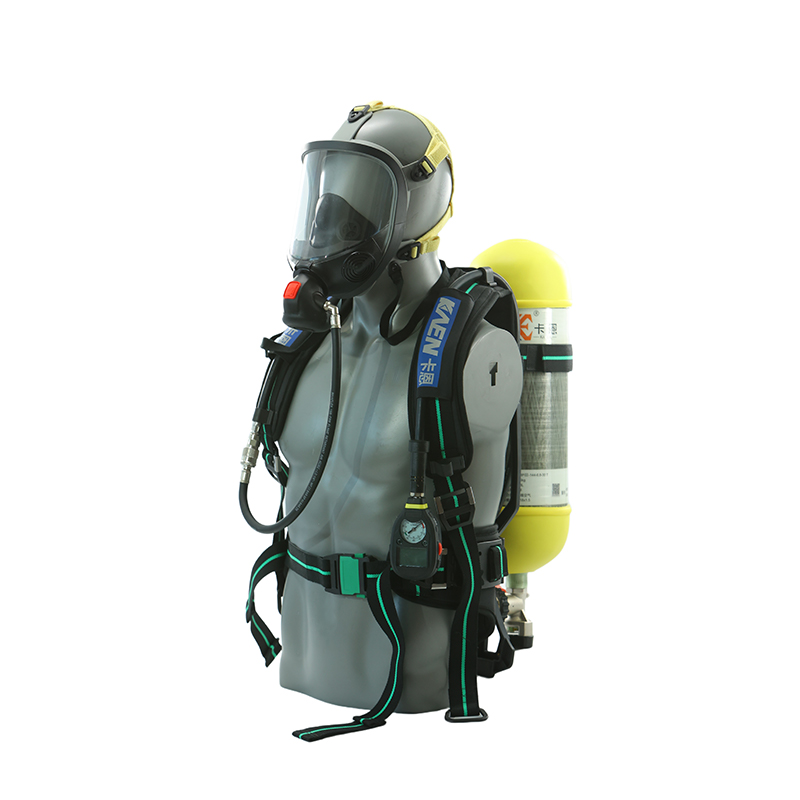
The RHZK6.8/A self-contained breathing apparatus is an industry-standard self-contained open-circuit respiratory protection device. With a 6.8L cylinder volume and 2040L air storage capacity.It achiev...
See Details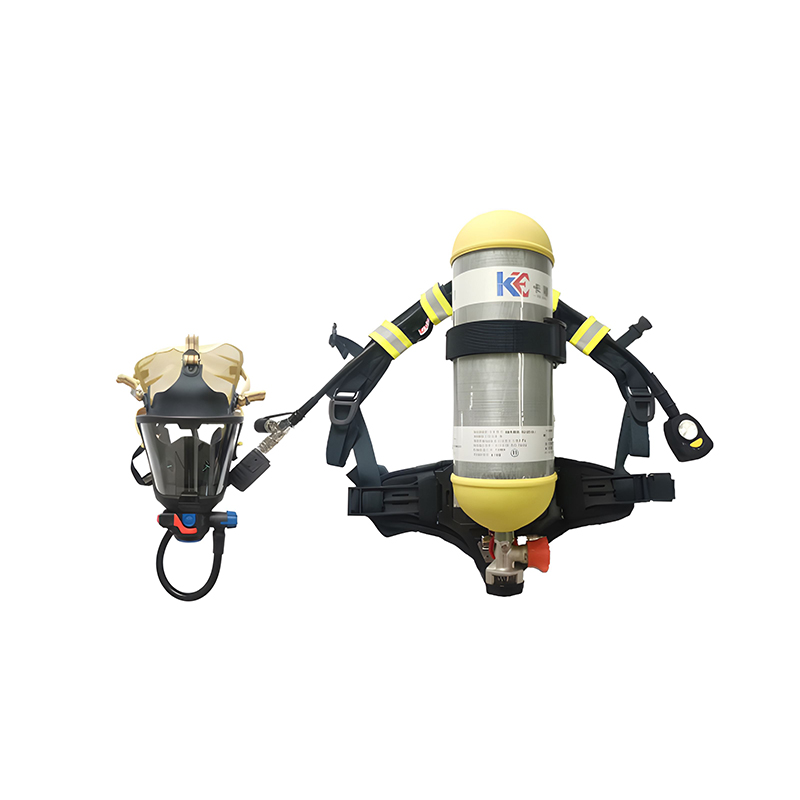
Advantages: Mask: The mask features a cylindrical design and is made of liquid silicone, providing reliable sealing and comfortable wear. The face shield offers a wide field of view with high light...
See Details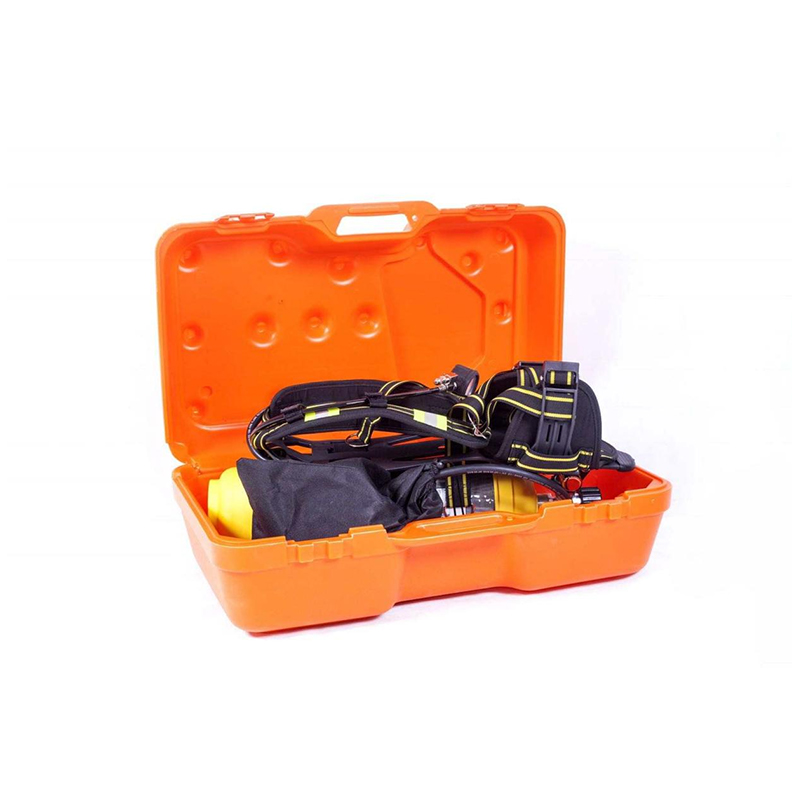
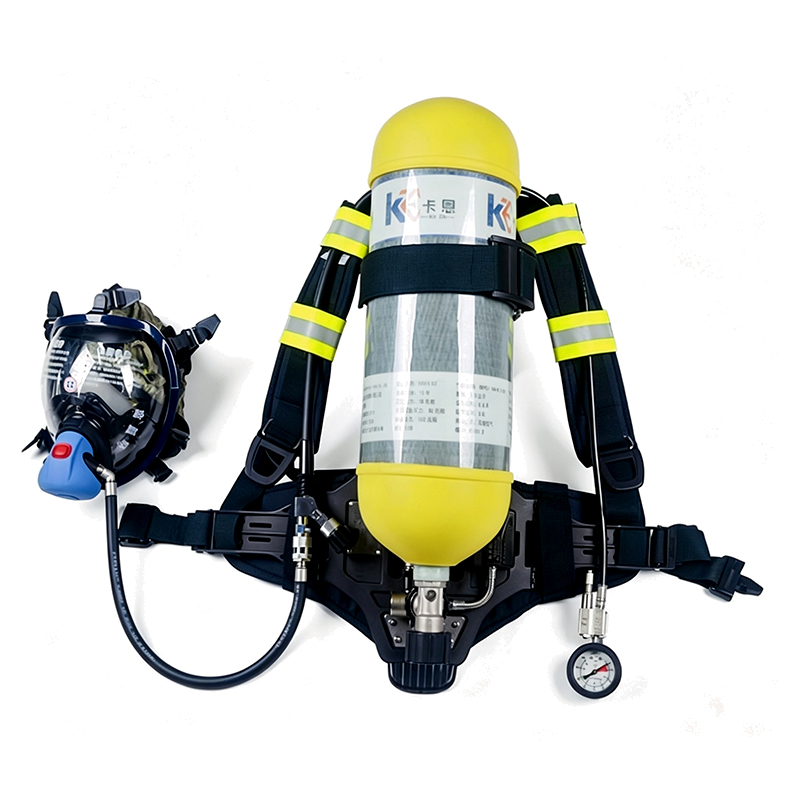
The RHZK6.8/B positive-pressure air breathing apparatus is a piece of equipment specifically designed for respiratory protection in high-risk operations. It features a multi-layer composite cylinder...
See Details
For any questions and feedback from customers, we will reply patiently and meticulously.


WhatsApp: 8618262215597
PHONE : +86-15370678666
EMAIL : zhouli@ntkaen.com
TEL: +86-513-88762099
Nantong Kaen Safety Equipment Co., Ltd. All Rights Reserved. ALL RESERVED. OEM Rescue Equipment Manufacturer Fire Protection Equipment Factory
