
 English
 Español
 中文简体
中文简体The HUD is mounted at the front of the mask’s dual lenses, providing a clear, at-a-glance view of cylinder pressure. The display uses color indicators to show the cylinder status: Green: Pressure abo...
See Details
2026-09-18
Content
A full-face gas mask is a respiratory and eye protection device that covers the entire face, sealing around the forehead, cheeks, and chin to filter contaminated air before it reaches the wearer's lungs and eyes. Unlike a half-mask respirator that only covers the nose and mouth, a full-face design adds an integrated eye lens, which protects against irritant gases, vapors, and particulates that would otherwise cause eye irritation or vision impairment during a chemical release. According to the U.S. National Institute for Occupational Safety and Health, full-face respirators provide a higher assigned protection factor than half-mask models specifically because the complete facial seal reduces the chance of contaminant leakage around the edges of the mask.
The effectiveness of a full-face gas mask depends on two coordinated systems working together: the facial seal and the filtration or air-supply mechanism. Understanding how each functions clarifies why proper fit and cartridge selection are just as important as the mask itself.
The silicone or rubber facepiece is molded to press evenly against the skin along the jawline, temples, and forehead, creating a barrier that prevents unfiltered air from entering. Facial hair, deep scarring, or an improperly sized mask can break this seal, which is why OSHA's Respiratory Protection Standard, 29 CFR 1910.134, requires an annual fit test for anyone assigned to wear a tight-fitting respirator.
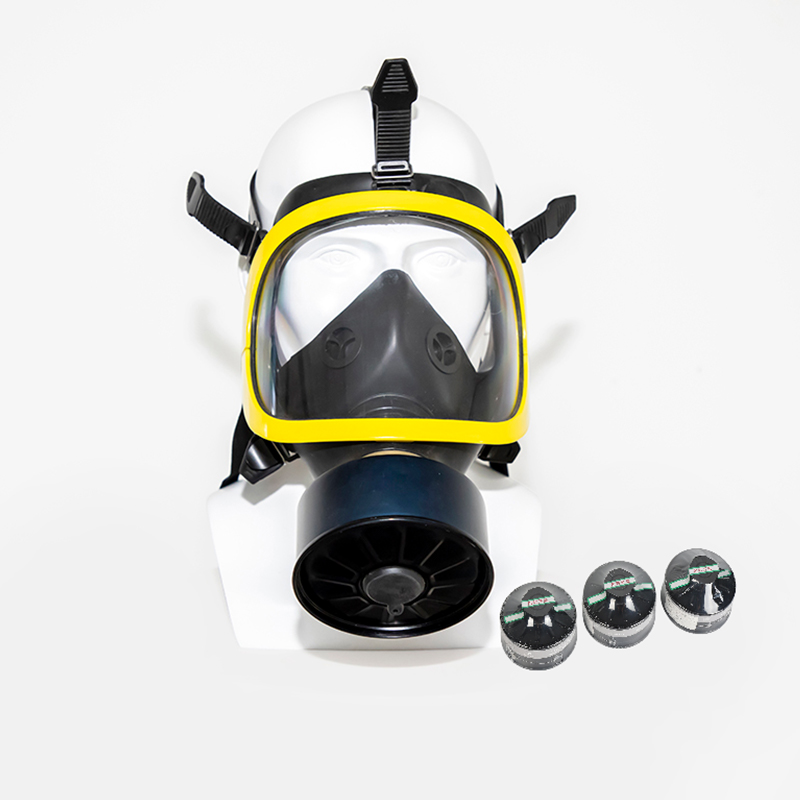
Air is drawn through a replaceable cartridge attached to the mask body, which contains activated carbon, particulate filters, or a combination of both depending on the hazard. The cartridge is selected based on the specific contaminant present, since a cartridge rated for organic vapors will not protect against acid gases or particulates without an additional filter stage.
A one-way valve allows exhaled air to escape without letting outside air back in, which keeps the interior of the mask clear of fogging and carbon dioxide buildup during extended wear.
The panoramic lens on a full-face mask is not just a viewing window, it is a critical protective barrier against chemical splash, irritant vapors, and flying particulates. A Full-face gas mask from Kaen typically uses a polycarbonate lens rated for impact resistance, which protects against both chemical exposure and mechanical hazards such as debris in industrial or firefighting environments. Because the eyes are highly sensitive to irritant gases like tear gas or ammonia, a half-mask respirator paired with separate goggles is often less reliable than a single sealed full-face unit, since goggles and a half-mask can create gaps at the temple where vapors seep in.
Selecting the correct cartridge is one of the most important decisions when using a full-face gas mask, since no single filter protects against every hazard. Cartridges are typically color-coded and labeled according to standards published by NIOSH or the European EN 14387 standard.
| Cartridge type | Color code | Protects against |
| Organic vapor | Black | Solvents, fuel vapors, many industrial chemicals |
| Acid gas | White | Chlorine, hydrogen sulfide, sulfur dioxide |
| Ammonia and methylamine | Green | Ammonia gas and related compounds |
| Particulate filter (P100) | Magenta | Dust, fumes, and biological aerosols |
Choosing between a full-face gas mask and other respiratory protective equipment depends on the hazard level and the assigned protection factor required for the task.
Full-face gas masks are used across a wide range of industries and situations where both respiratory and eye protection are needed simultaneously.
Workers handling solvents, acids, or industrial gases rely on full-face masks paired with task-specific cartridges to stay protected during routine handling and emergency response.
Emergency responders often pair a full-face mask with a self-contained breathing apparatus when entering unknown atmospheres, since the full facial seal also protects against heat and airborne debris.
Pesticide and fungicide application requires protection against both vapor inhalation and eye irritation, making full-face coverage a standard requirement in many regional agricultural safety guidelines.
Full-face masks with appropriate cartridges protect against tear gas and other irritant agents used in crowd control situations, where both respiratory and eye exposure are simultaneous risks.
Regular inspection and cartridge replacement are essential to keeping a full-face gas mask reliable over time. Rubber and silicone facepieces degrade with UV exposure and repeated cleaning, so manufacturers commonly recommend replacing the facepiece every 3 to 5 years depending on usage frequency, while cartridges have a much shorter service life tied to contaminant concentration and exposure time rather than calendar days.
Selecting the right full-face gas mask starts with identifying the specific hazard present, whether it is a gas, vapor, particulate, or a combination, and matching that hazard to the correct cartridge type. Fit testing should never be skipped, since even a high-quality mask will fail to protect the wearer if the facial seal is compromised by an incorrect size or facial hair. Reviewing the mask's assigned protection factor, lens impact rating, and cartridge compatibility before purchase ensures the equipment chosen will actually meet the demands of the environment it will be used in.
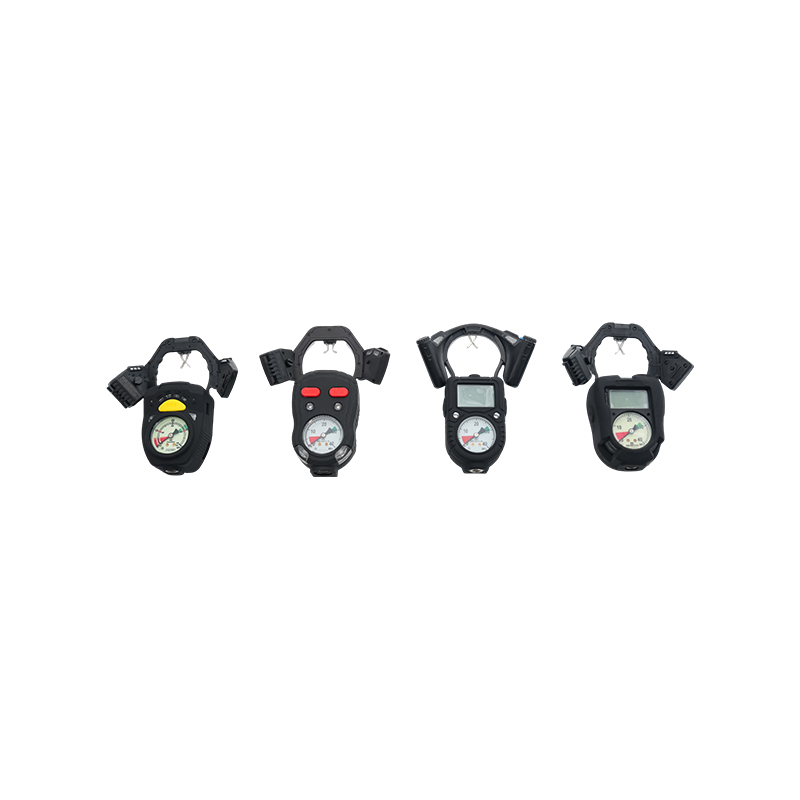
The HUD is mounted at the front of the mask’s dual lenses, providing a clear, at-a-glance view of cylinder pressure. The display uses color indicators to show the cylinder status: Green: Pressure abo...
See Details
The full-face respirator (conical mask) is a filtering, full-Vision personal respiratory protective device. Compared to similar protective masks, its core advantage lies in its specially treated face ...
See Details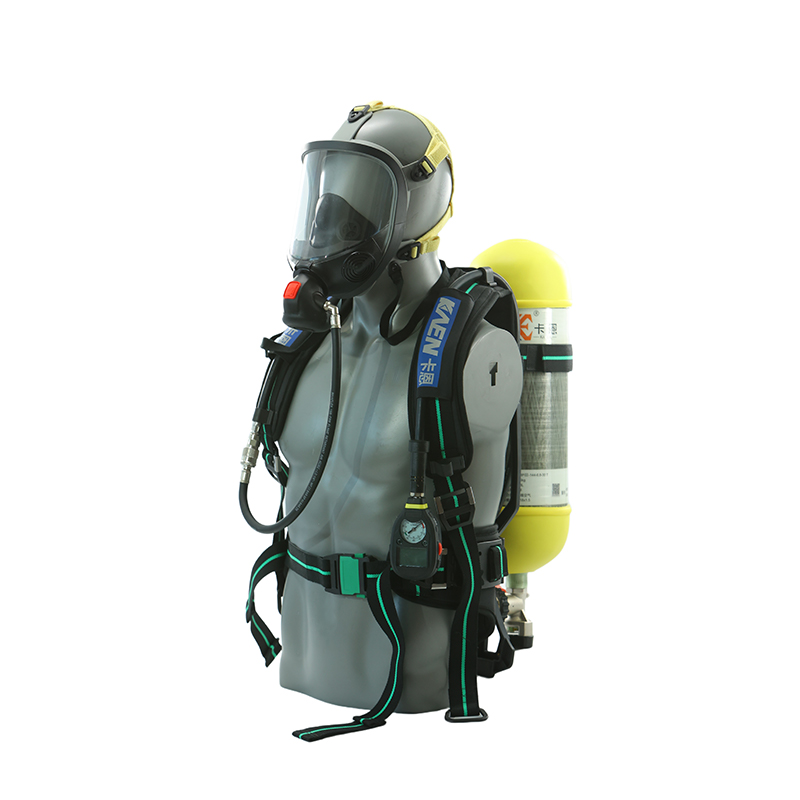
The RHZK6.8/A self-contained breathing apparatus is an industry-standard self-contained open-circuit respiratory protection device. With a 6.8L cylinder volume and 2040L air storage capacity.It achiev...
See Details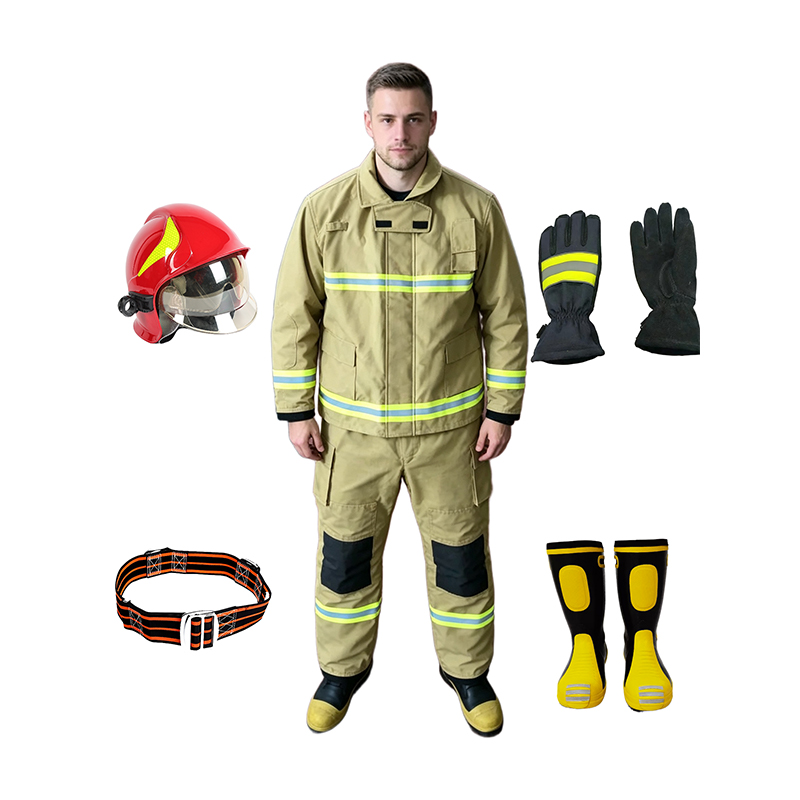
Applications Fire rescue: Firefighters wear it when entering the fire scene for firefighting and rescue tasks. Hazardous chemical accidents: Used to deal with hazardous situations such as chemical ...
See Details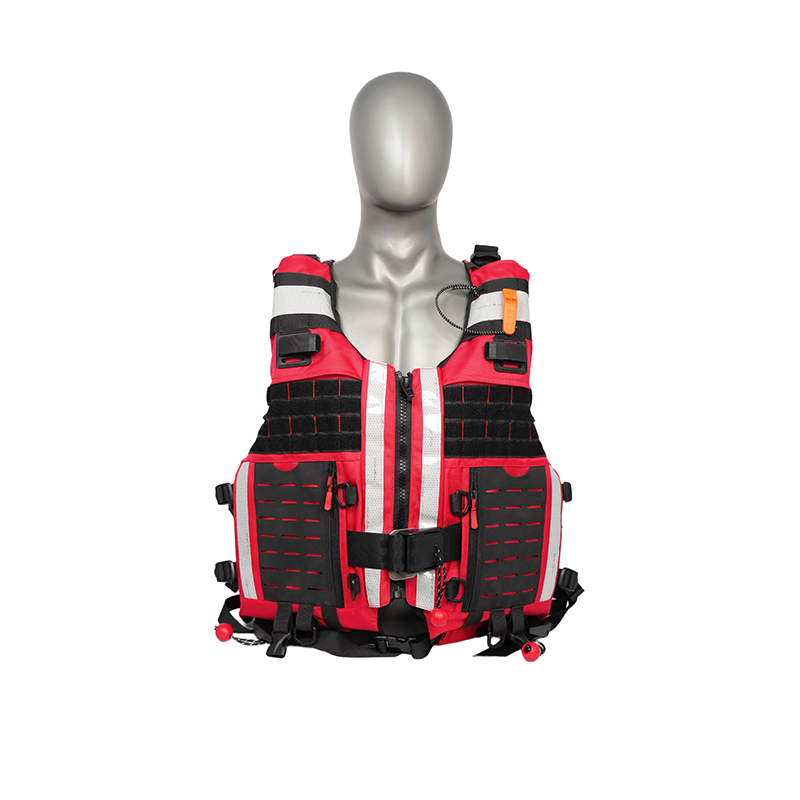
Designed to meet the specialized needs of rescuers, its unique quick-release system allows for an instant emergency exit from the vest, ensuring maximum safety during water rescue operations.
See Details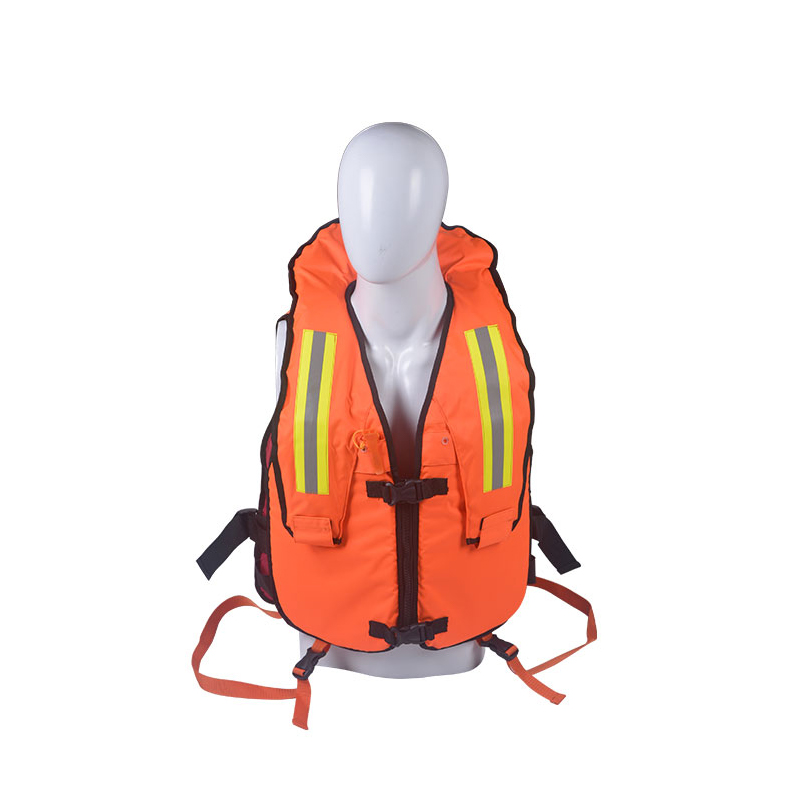
Designed for unexpected emergencies, this high-performance Auto-Inflatable Life Vest is your ultimate safety insurance. It stays ultra-portable and out of your way during normal tasks, but delivers in...
See Details
For any questions and feedback from customers, we will reply patiently and meticulously.


WhatsApp: 8618262215597
PHONE : +86-15370678666
EMAIL : zhouli@ntkaen.com
TEL: +86-513-88762099
Nantong Kaen Safety Equipment Co., Ltd. All Rights Reserved. ALL RESERVED. OEM Rescue Equipment Manufacturer Fire Protection Equipment Factory
